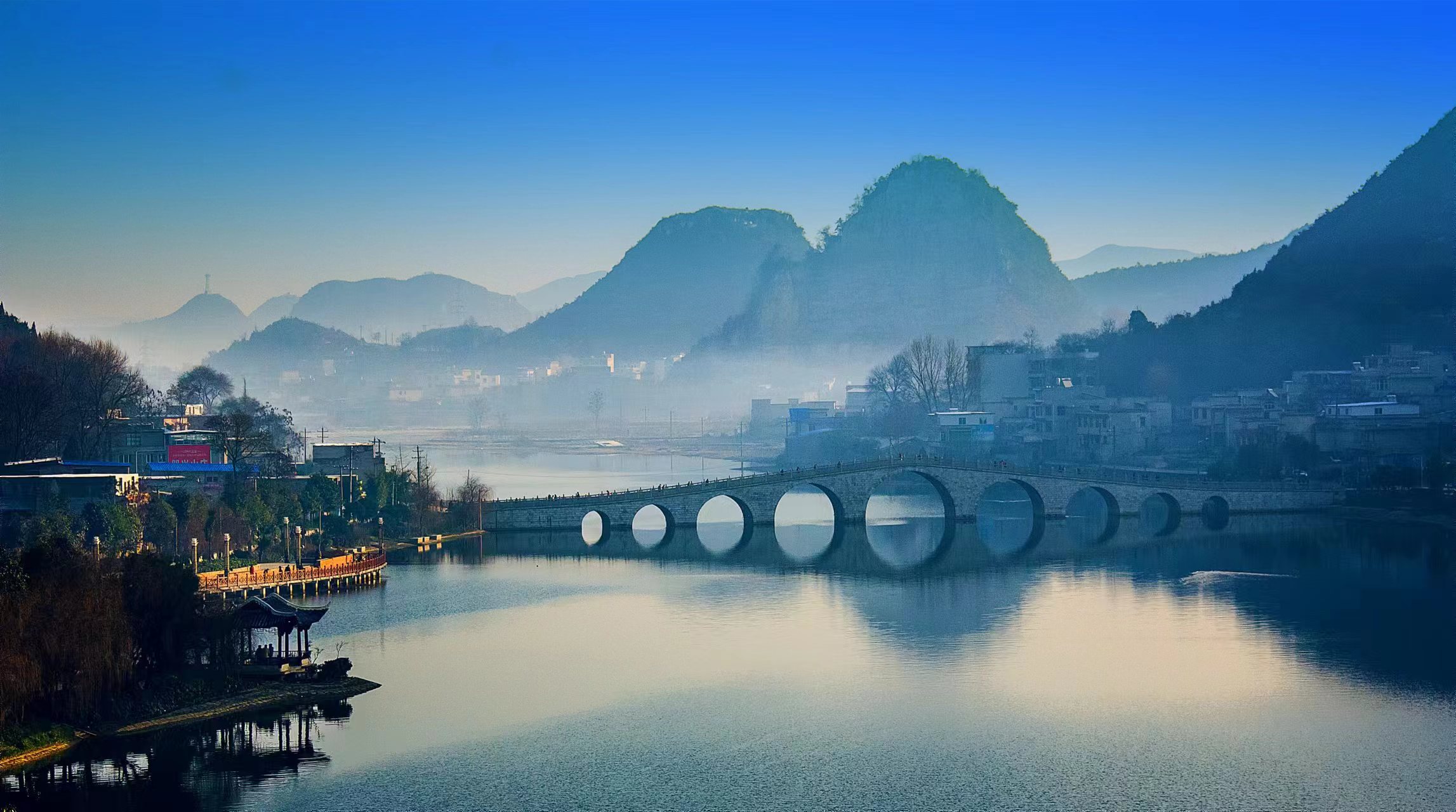
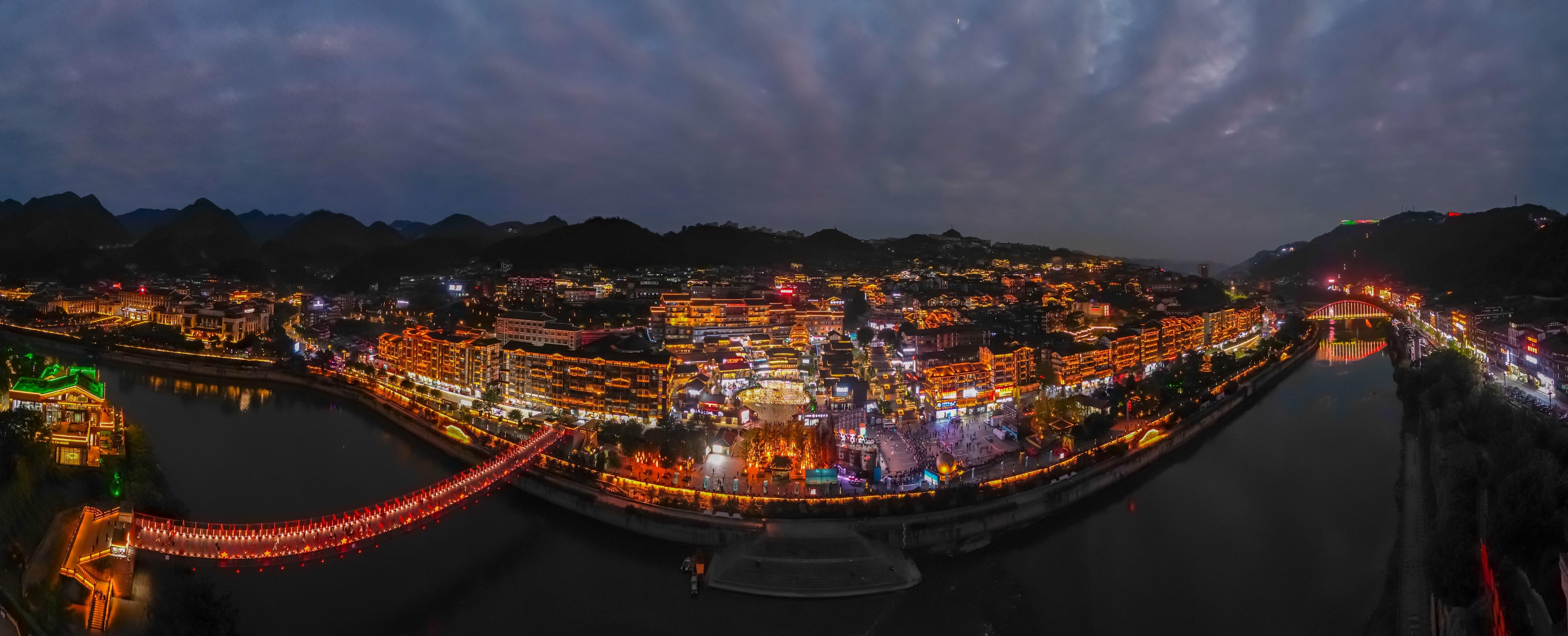
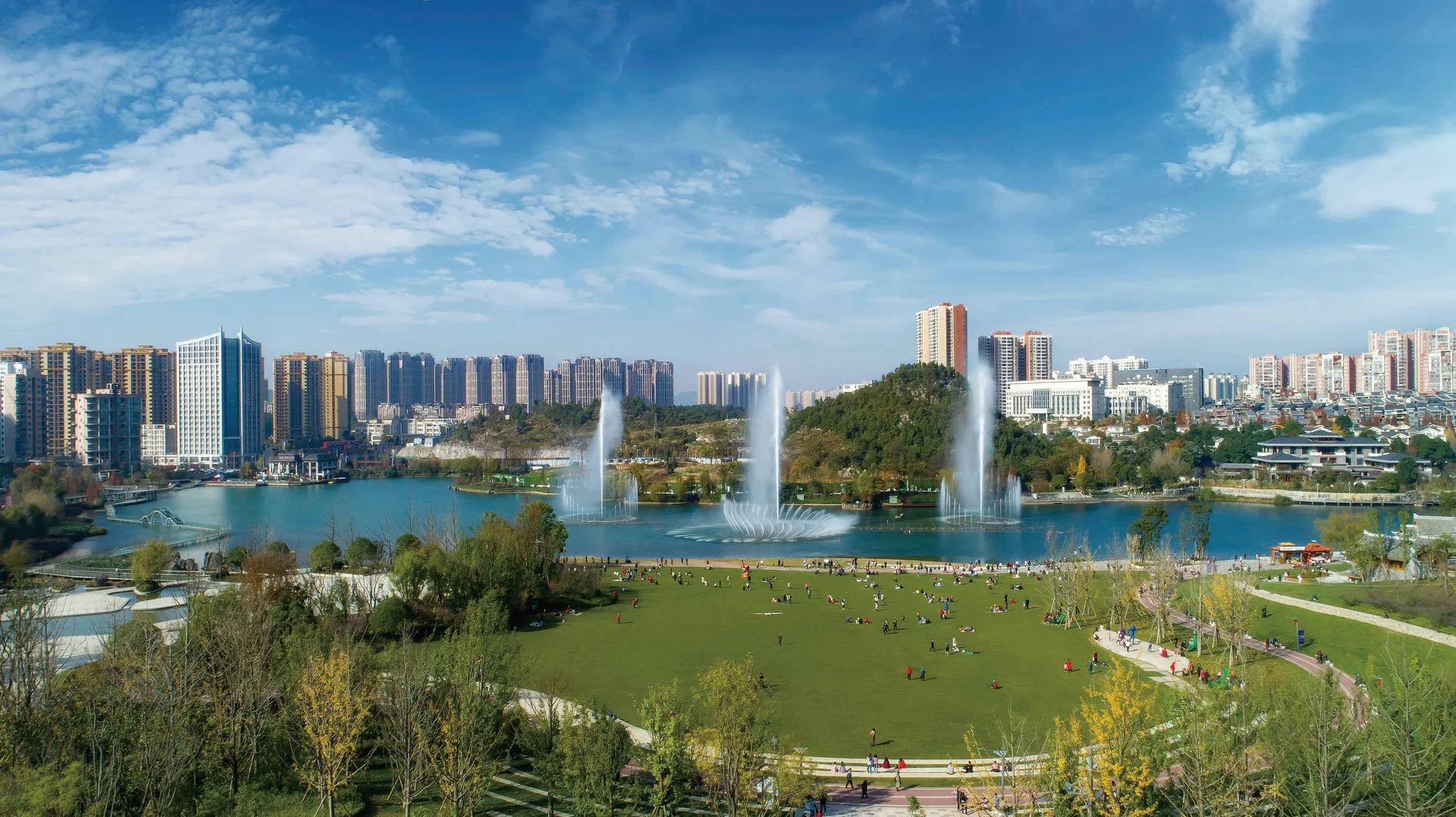
Tongren city skyline and landmarks (铜仁) - Travel China Guide

Tongren Travel Guide

Home to the sacred Fanjing Mountain, a UNESCO World Heritage site with unique Buddhist temples perched on cloud-shrouded peaks.

About

Tongren, located in the northeastern corner of Guizhou province, is defined by its crown jewel—Fanjing Mountain. This sacred Buddhist peak, recognized as a UNESCO World Heritage site in 2018, rises dramatically from the surrounding landscape. Its distinctive mushroom rock formation and the two ancient temples perched on its summit have made it one of China's most photographed mountains.

Beyond Fanjing Mountain, Tongren offers a rich tapestry of natural and cultural attractions. The Jiulong Cave system wows visitors with its colossal stalactites, while the Yamu Valley at Fanjing's base invites leisurely hikes along crystal streams.

Tongren's history is equally compelling. The Daming Border City recalls the Ming Dynasty's frontier defense system, while the Miao King City tells the story of the region's indigenous peoples who maintained their autonomy for centuries.

The city produces premium green tea from the high slopes of Fanjing Mountain. Tongren cuisine features unique dishes like She Fan and Jiangkou rice tofu, reflecting a blend of Han and Miao culinary traditions.

History & Development

Fanjing Mountain has been a Buddhist sacred site for over 1,000 years, dating back to the Tang Dynasty (618-907 AD). During the Ming Dynasty, the mountain became a major pilgrimage destination, with temples and monasteries built on its challenging terrain. The Red Cloud Golden Summit (Hongyun Jinding) and the New Golden Summit (Xin Jinding) temples were constructed during this period.

The region was historically inhabited by the Miao and Tujia ethnic minorities. During the Ming Dynasty, the central government established the Daming Border City as a defensive outpost against the frontier tribes. The Miao King City served as the stronghold of local Miao leaders.

In modern times, Tongren developed as a center for mercury mining, which was a significant industry for much of the 20th century. The discovery of Fanjing Mountain's ecological importance led to its designation as a nature reserve, and the shift toward tourism-based development began.

In 2018, Fanjing Mountain was inscribed as a UNESCO World Heritage site, bringing international attention and a surge in visitors to Tongren.

Economy & Industries

Tourism is the dominant economic sector in Tongren, centered almost entirely around Fanjing Mountain. The UNESCO World Heritage designation has dramatically increased visitor numbers, driving growth in hotels, restaurants, transportation services, and tour operations.

Tea production is a significant agricultural industry. Fanjing Mountain tea is among Guizhou's most prized green teas, commanding premium prices in Chinese markets. The high-altitude, misty conditions produce exceptional quality leaves.

Historically, Tongren was a major center for mercury mining, one of China's largest producers throughout the 20th century. While production has declined, mining heritage remains part of the local identity.

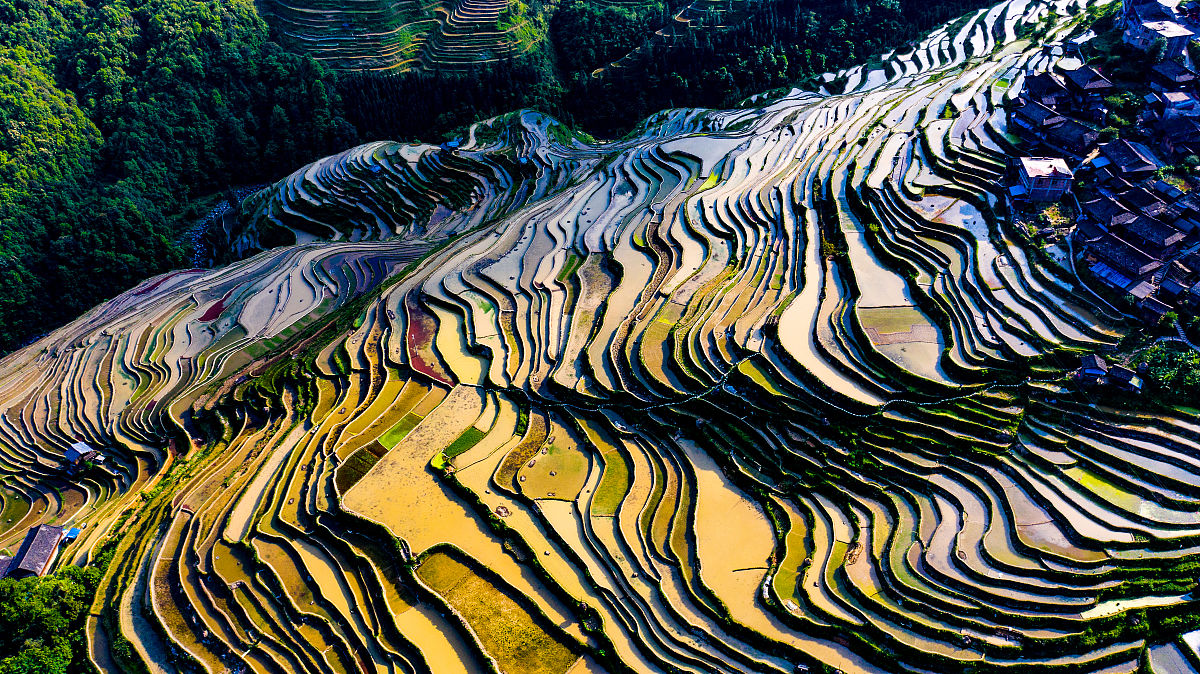
Agriculture in the Wuling Mountain area includes rice cultivation, fruit orchards, and traditional herbal medicine crops. The region is also known for its bamboo products.
Top Attractions

🏔️ Nature

Fanjing Mountain

A sacred Buddhist mountain and UNESCO World Heritage site, Fanjing Mountain rises 2,572 meters above sea level. Known for its unique mushroom-shaped rock formation and the two temples perched on its summit, separated by a narrow chasm. The mountain is often shrouded in clouds, creating a mystical atmosphere. Home to the rare Guizhou golden monkey.

★★★★ 4.9
🕐 7:00 AM-4:00 PM
🎫 100 yuan (plus 70 yuan cable car)
🏛️ Landmark

Tongren Ancient Town

A well-preserved ancient town alongside the Jinjiang River in downtown Tongren. Features Ming and Qing dynasty architecture, cobblestone lanes, traditional courtyard houses, and historic city gates. The lively evening market offers local snacks and handicrafts.

★★★★ 4.4
🕐 Open all day
🎫 Free
🏛️ Landmark

Daming Border City

A Ming Dynasty border fortress that once guarded the frontier. This well-restored complex of walls, watchtowers, and barracks offers a fascinating glimpse into imperial border defense. Features historical reenactments and cultural performances.

★★★★ 4.3
🕐 8:30 AM-5:30 PM
🎫 50 yuan
🏔️ Nature

Jiulong Cave

A spectacular karst cave system stretching over 2 kilometers. Named after its nine main caverns, it features massive stalactites, stalagmites, and underground waterfalls illuminated by colorful lights. The main hall can hold thousands of people.

★★★★ 4.4
🕐 8:00 AM-5:30 PM
🎫 70 yuan
📍 Other

Miao King City

An ancient Miao fortress village with a history of over 600 years. Built as a defensive stronghold, it features maze-like stone pathways, watchtowers, and Miao-style stilted houses. Legend says it was the capital of a Miao king who resisted Ming dynasty forces.

★★★★ 4.3
🕐 8:00 AM-6:00 PM
🎫 60 yuan
🏔️ Nature

Yamu Valley

A scenic valley at the foot of Fanjing Mountain, known for its crystal-clear streams, lush vegetation, and waterfalls. A wooden walkway follows the valley, passing through dense forest and past ancient trees. The pristine natural environment is perfect for hiking and photography.

★★★★ 4.5
🕐 8:00 AM-6:00 PM
🎫 50 yuan

Food & Culture

Discover the culinary treasures of Tongren, from traditional street food to imperial cuisine.

Things to Do

Fanjing Mountain Climb

Ascend Fanjing Mountain via cable car and hike to the golden summit temples.

🏛️

Temple Pilgrimage

Visit the Buddhist temples perched on Fanjing Mountain's unique rock formations.

Cave Exploration

Explore the massive stalactite formations in Jiulong Cave.

Miao Village Visit

Discover the ancient Miao King City fortress village.

Getting Around

✈️

Airport

Tongren Fenghuang Airport - 20 km from city center

🚄

High-Speed Rail

1.5 hours from Guiyang by high-speed rail

🚇

Metro

No metro

Best Time to Visit

Spring (April-May) and Autumn (September-October) offer the best weather for most destinations in China.

Continue Exploring China

Discover more cities, food guides, and travel inspiration.