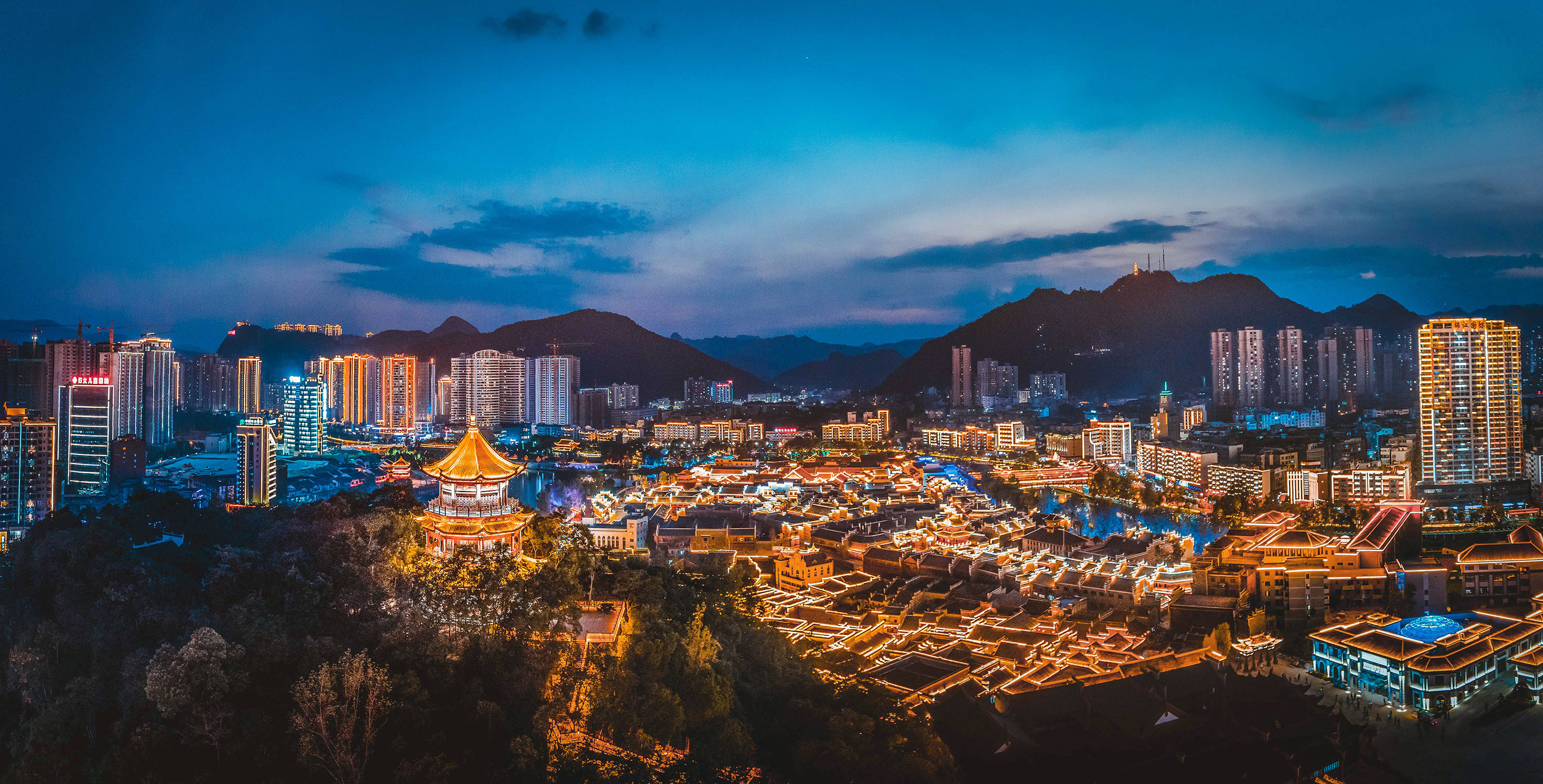
Qiandongnan city skyline and landmarks (黔东南) - Travel China Guide

Qiandongnan Travel Guide

Home to the stunning Xijiang Qianhu Miao Village, the largest Miao village in China, with terraced fields, silver jewelry, and vibrant ethnic festivals.

About

Qiandongnan Miao and Dong Autonomous Prefecture is one of China's most culturally rich destinations. Home to the Miao and Dong ethnic minorities, the region preserves centuries-old traditions in architecture, textiles, music, and cuisine.

The star attraction is Xijiang Qianhu Miao Village, the largest Miao village in China, where tiered wooden houses climb the mountainsides and nightly lanterns create a fairy-tale ambience. Zhaoxing Dong Village showcases the Dong people's architectural genius with its five iconic drum towers.

Beyond the villages, Qiandongnan's landscape is a photographer's dream. The Jiabang Rice Terraces cascade down mountainsides in emerald steps. Ancient towns like Zhenyuan offer tranquil walks along willow-lined rivers.

The region's festivals are legendary. The Lusheng Festival features thousands of Miao playing bamboo mouth organs in elaborate silver costumes. The Sisters' Meal Festival celebrates romance and courtship through colorful rituals and sticky rice dyed in vibrant hues.

History & Development

The Miao people's history in Qiandongnan spans over 2,000 years. According to oral traditions, the Miao migrated southward from the Yellow River basin, settling in the mountainous regions of Guizhou to escape conflict and preserve their way of life. Their epic songs tell of this long migration across China.

The Dong people arrived later but have inhabited the region for at least 1,000 years. They are renowned for constructing magnificent wind and rain bridges and drum towers entirely from wood, without using a single nail. Their polyphonic choral singing, the Dong Grand Song (Kam Grand Choir), dates back over 2,500 years.

During the Ming and Qing dynasties, the region maintained a degree of autonomy under the chieftain system. The Qing dynasty launched several military campaigns to assert control over the Miao territories.

In 1956, the Qiandongnan Miao and Dong Autonomous Prefecture was formally established, granting the ethnic minorities administrative autonomy. Since then, the region has preserved its cultural heritage while opening up to tourism.

Economy & Industries

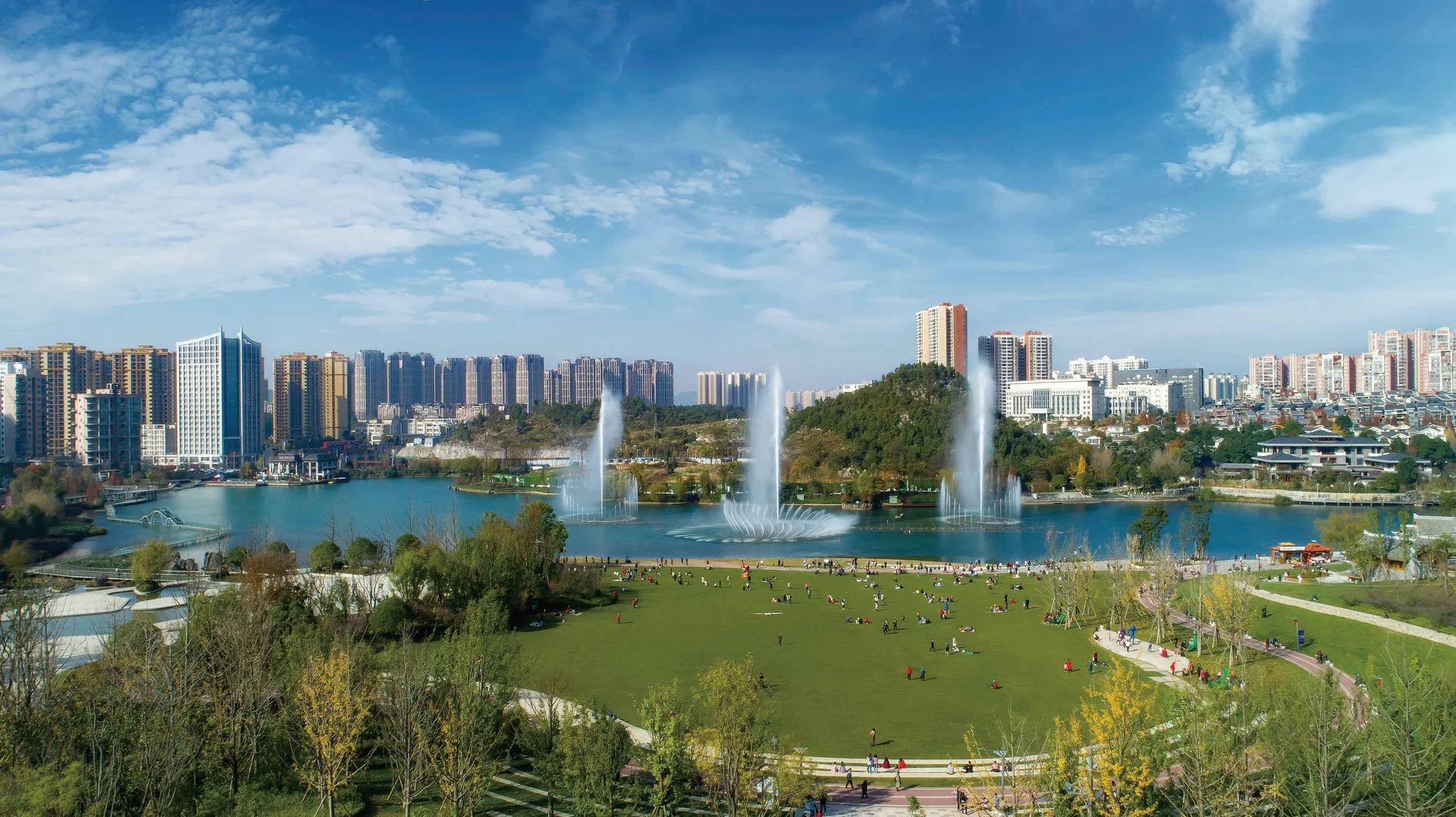
Ethnic cultural tourism is the primary economic driver of Qiandongnan. The prefecture attracts millions of domestic and international visitors annually, drawn by the authentic Miao and Dong village experiences, festivals, and scenic terraced landscapes.

Traditional handicrafts form a significant economic sector. Miao embroidery and silver jewelry are renowned worldwide for their intricate craftsmanship. Dong textile weaving and indigo dyeing produce distinctive fabrics sought after by collectors.

Agriculture thrives in the river valleys, with rice cultivation on the famous terraced slopes. The region also produces high-quality tea, medicinal herbs, and bamboo products. Local farmers benefit from the growing market for organic and traditional agricultural products.

Top Attractions

📍 Other

Xijiang Qianhu Miao Village

The largest and most well-preserved Miao village in China, home to over 1,400 Miao families. Perched on hillsides with traditional stilted wooden houses cascading down the slopes. At night, thousands of lanterns illuminate the village creating a magical atmosphere. Visitors can experience Miao hospitality, traditional silver crafting, and spectacular terrace views.

★★★★ 4.8
🕐 Open all day
🎫 100 yuan
📍 Other

Zhaoxing Dong Village

One of the largest Dong villages in China, famous for its five magnificent drum towers representing the five clans of the village. The Dong Grand Song, a UNESCO Intangible Cultural Heritage, echoes through the valley. Wind and rain bridges span the streams, and traditional textile workshops line the lanes.

★★★★ 4.7
🕐 Open all day
🎫 80 yuan
🏔️ Nature

Jiabang Rice Terraces

Among the most beautiful rice terraces in China, Jiabang Terraces cover the hillsides in a sea of green steps that change color with the seasons. Morning mist often hangs over the valleys, creating ethereal photo opportunities. The terraces are still actively farmed by local Miao and Dong communities using traditional methods.

★★★★ 4.8
🕐 Open all day
🎫 Free
🏛️ Landmark

Zhenyuan Ancient Town

A 2,000-year-old ancient town nestled along the Wuyang River, surrounded by green mountains. Known for its preserved Ming and Qing dynasty architecture, tranquil waterways, and the striking Qinglong Cave temple complex built into the cliffside.

★★★★ 4.6
🕐 Open all day
🎫 Free (old town)
📍 Other

Basha Miao Village

A unique Miao village known for its ancient traditions preserved for over a millennium. The men maintain their traditional hairstyle—a long topknot with the rest of the head shaved—and carry rifles as a symbol of manhood. They practice a form of nature worship and hold spectacular fire rituals.

★★★★ 4.5
🕐 8:00 AM-6:00 PM
🎫 60 yuan
🏔️ Nature

Leigong Mountain

The highest peak in southeastern Guizhou at 2,178 meters, covered in primeval forest. Home to rare flora and fauna, including the Chinese dove tree and golden monkeys. The mountain is sacred to the Miao people and offers excellent hiking and misty summit views.

★★★★ 4.5
🕐 8:00 AM-5:00 PM
🎫 50 yuan

Food & Culture

Discover the culinary treasures of Qiandongnan, from traditional street food to imperial cuisine.

Things to Do

Miao Village Homestay

Stay overnight in Xijiang Miao Village and experience Miao hospitality.

Dong Grand Song Performance

Listen to the UNESCO-listed polyphonic Dong Grand Song in Zhaoxing.

Terraced Fields Photography

Capture the stunning terraced landscapes at sunrise in Jiabang.

Silver Craft Workshop

Learn traditional Miao silver crafting techniques from local artisans.

Getting Around

✈️

Airport

Guiping Airport (Kaili) - 10 km from Kaili city center

🚄

High-Speed Rail

2 hours from Guiyang to Kaili by high-speed rail

🚇

Metro

No metro

Best Time to Visit

Spring (April-May) and Autumn (September-October) offer the best weather for most destinations in China.

Continue Exploring China

Discover more cities, food guides, and travel inspiration.