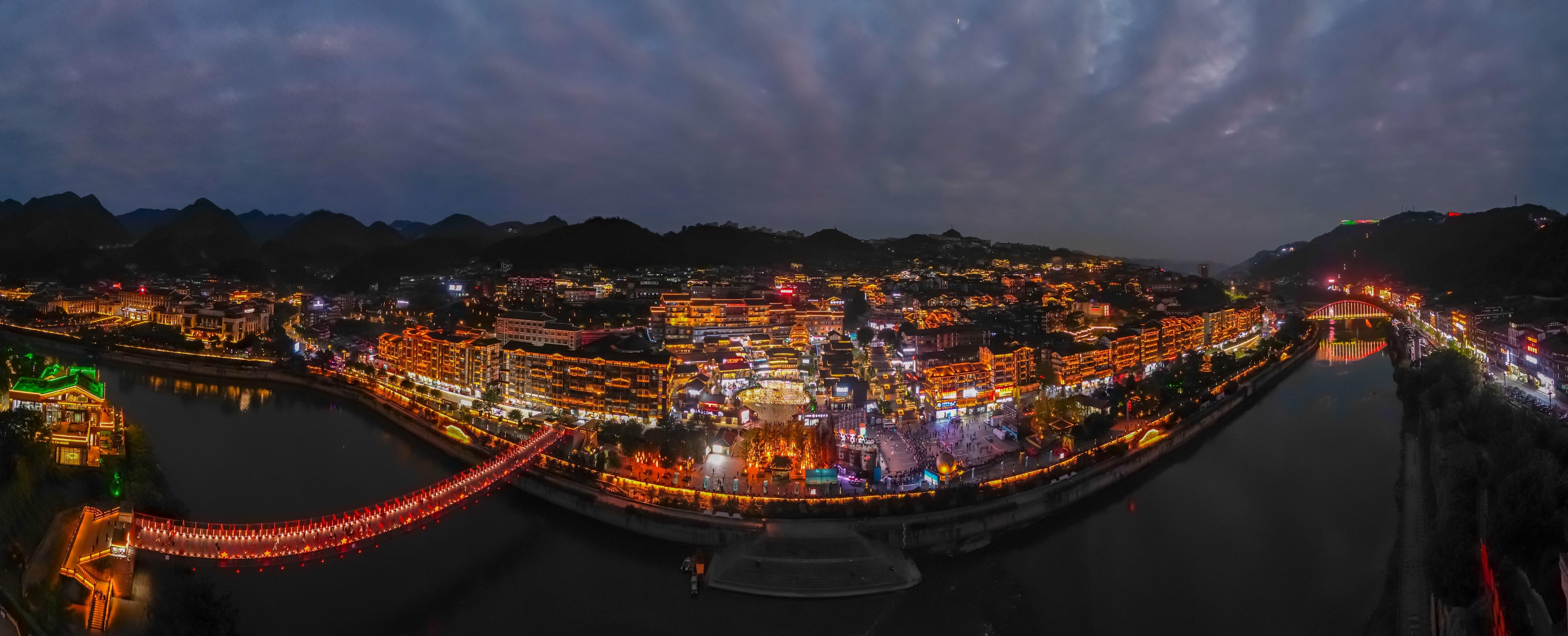
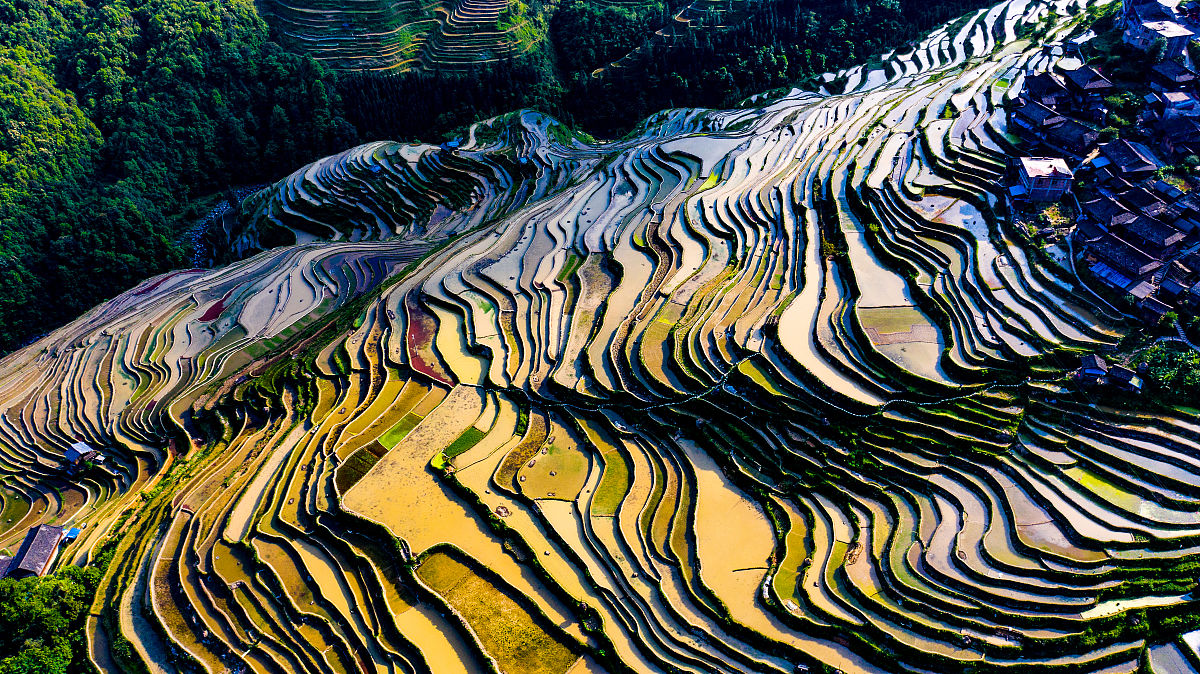
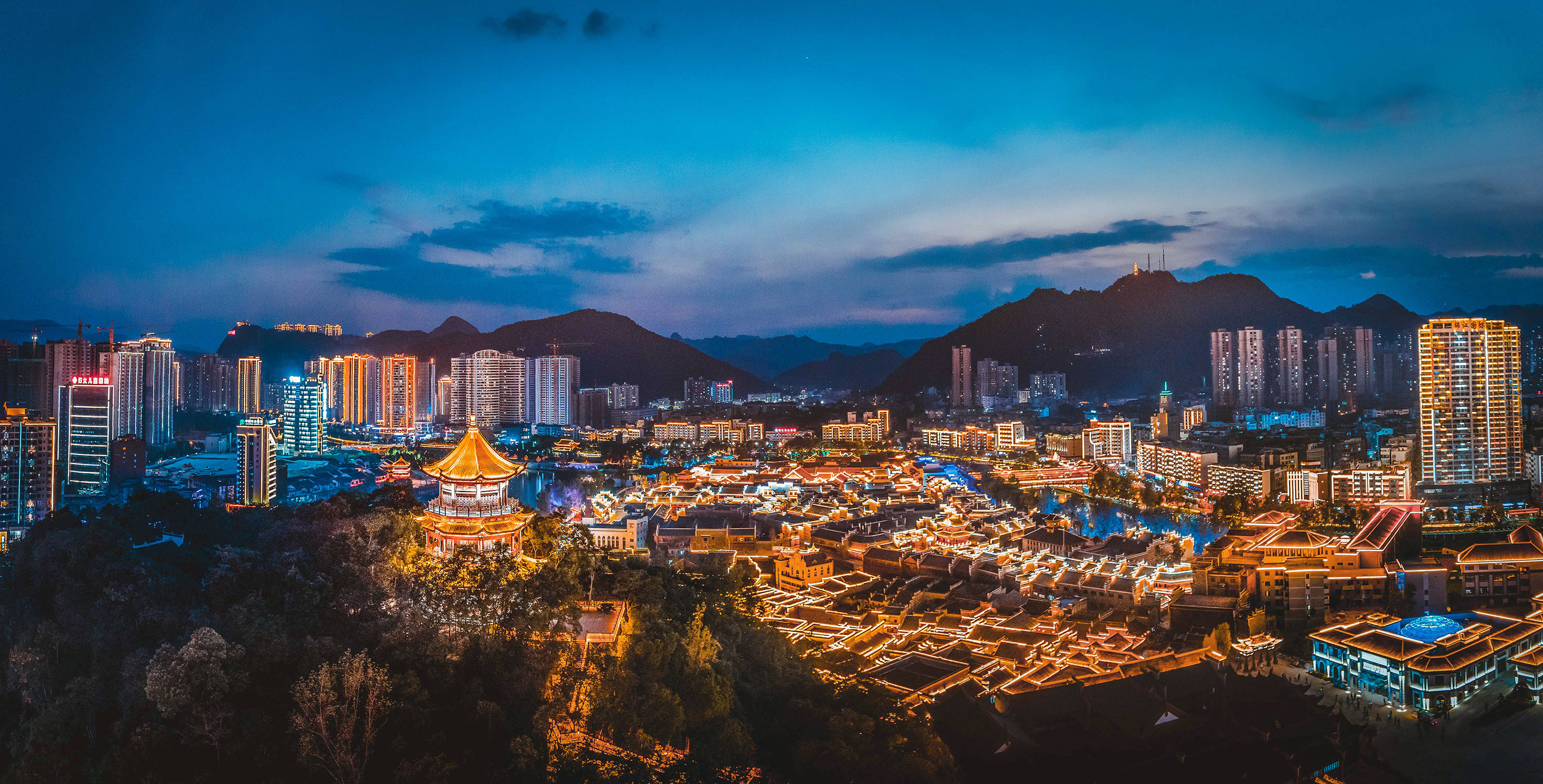
Anshun city skyline and landmarks (安顺) - Travel China Guide

Anshun Travel Guide

Gateway to the magnificent Huangguoshu Waterfall, Asia's largest waterfall, and the stunning Longgong (Dragon Palace) karst cave system.

About

Anshun, in southwestern Guizhou province, is best known as the gateway to Huangguoshu Waterfall, Asia's largest waterfall and one of China's most iconic natural wonders. The waterfall's thunderous roar can be heard from miles away, and visitors can walk behind the cascade through a natural water curtain cave.

But Anshun offers far more than its famous waterfall. The Dragon Palace cave system is a subterranean wonderland of underground rivers and illuminated limestone formations. The Tunpu Cultural Villages preserve a unique Ming Dynasty military heritage, where descendants of imperial soldiers still practice traditions brought from central China 600 years ago.

The Getu River valley offers some of Guizhou's most dramatic karst scenery, with sheer cliffs, natural arches, and ancient burial sites. This region is increasingly popular with rock climbers and adventure travelers.

Anshun enjoys mild weather year-round, making it accessible in any season. Its cuisine reflects Guizhou's bold flavors with unique local specialties like Guojuan rolls and Bobo sugar candies.

History & Development

Anshun's history is deeply connected to the Ming Dynasty military colonization known as Tunpu. In the 14th century, Emperor Hongwu sent troops from central China to garrison this frontier region. These soldiers and their families settled permanently, building stone fortresses and maintaining their central Chinese traditions.

Over 600 years, the Tunpu people preserved their distinctive dialect, clothing, architecture, and customs, creating a unique cultural enclave in Guizhou. Today, villages like Tianlong and Benzhai offer living glimpses into Ming Dynasty life.

The Huangguoshu Waterfall has been a tourist destination for centuries. Historical records mention poets and travelers visiting the falls during the Ming and Qing dynasties. The area became a national park in 1982.

The ancient Yelang kingdom, mentioned in Chinese historical texts from 3,000 years ago, was located in this region. Though little is known about this kingdom, its name lives on in local legends and cave names.

Economy & Industries

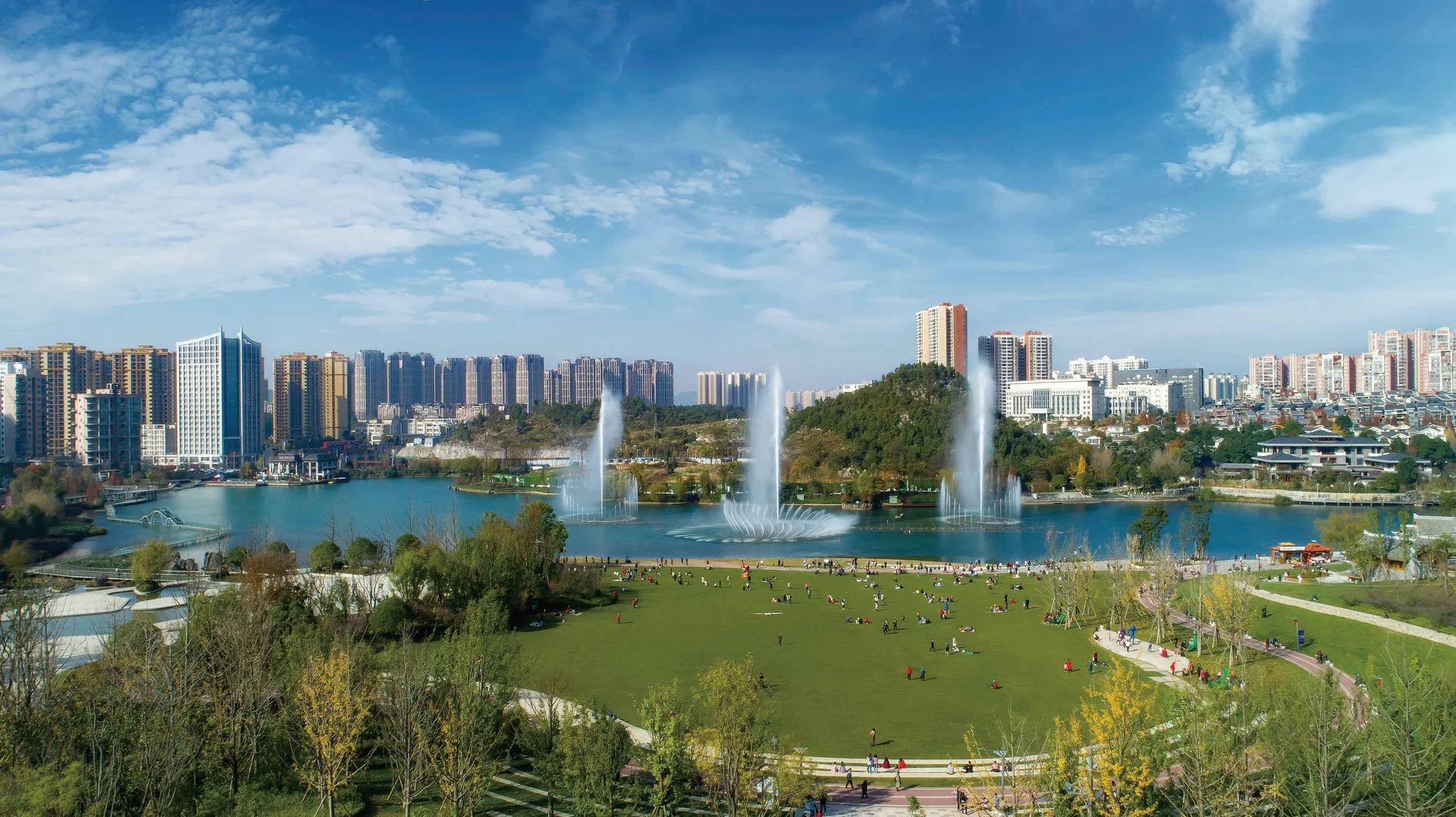
Anshun's economy is driven by tourism, with Huangguoshu Waterfall attracting millions of visitors annually. The surrounding scenic areas, including Dragon Palace and Getu River, form a major tourism cluster in Guizhou.

Traditional industries include batik textile production, a recognized national intangible cultural heritage. Anshun batik, with its distinctive blue-and-white patterns, is sold throughout China.

Agriculture plays a significant role, with tea plantations on the region's hillsides producing high-quality green tea. Fruits, particularly pomelos and plums, are grown in the fertile valleys.

Top Attractions

🏔️ Nature

Huangguoshu Waterfall

Asia's largest waterfall, measuring 101 meters wide and 77.8 meters high. This magnificent cascade is the centerpiece of a scenic area that includes multiple smaller waterfalls, a water curtain cave behind the main falls, and lush subtropical vegetation. A must-see natural wonder.

★★★★ 4.9
🕐 7:30 AM-6:00 PM
🎫 160 yuan
🏔️ Nature

Dragon Palace Cave

A spectacular karst cave system featuring underground rivers, boat tours through illuminated caverns, and stunning limestone formations. Known as the "Dragon Palace," it is one of China's most beautiful caves with the world's lowest natural boat tunnel.

★★★★ 4.7
🕐 8:00 AM-6:00 PM
🎫 120 yuan
🏔️ Nature

Tianxing Bridge

A scenic area of karst formations, stone bridges, and crystal-clear pools connected by wooden walkways. Part of the Huangguoshu scenic complex, it offers a more intimate experience with nature through its maze-like landscape of water and stone.

★★★★ 4.6
🕐 7:30 AM-6:00 PM
🎫 Included in Huangguoshu ticket
🏛️ Landmark

Tunpu Cultural Village

A living museum of Ming Dynasty military culture. Descendants of Ming soldiers who settled here 600 years ago still wear traditional costumes and maintain ancient customs. The stone-built villages, with their watchtowers and fortifications, offer a unique glimpse into frontier life.

★★★★ 4.4
🕐 8:00 AM-6:00 PM
🎫 Free
🏔️ Nature

Getu River

A scenic river valley with dramatic karst peaks, caves, and traditional Miao villages. Famous for its massive natural arch, cave rock climbing routes, and the mysterious "hanging coffins" on cliff faces. A paradise for hikers and rock climbers.

★★★★ 4.6
🕐 8:00 AM-5:30 PM
🎫 60 yuan
🏔️ Nature

Yelang Cave

A massive karst cave system named after the ancient Yelang kingdom. Features spectacular stalactites, stalagmites, and underground waterfalls illuminated by colorful lights. The cave is said to have been a hideout for the legendary Yelang king.

★★★★ 4.3
🕐 8:00 AM-5:30 PM
🎫 85 yuan

Food & Culture

Discover the culinary treasures of Anshun, from traditional street food to imperial cuisine.

Things to Do

Waterfall Experience

Witness the power of Huangguoshu, Asia's largest waterfall.

Cave Exploration

Boat through Dragon Palace Cave's underground river system.

🏛️

Tunpu Culture

Visit Ming Dynasty stone villages with unique traditions.

River Adventure

Explore Getu River with its caves, cliffs, and Miao villages.

Getting Around

✈️

Airport

Anshun Huangguoshu Airport - 10 km from city center

🚄

High-Speed Rail

1 hour from Guiyang by high-speed rail

🚇

Metro

No metro

Best Time to Visit

Spring (April-May) and Autumn (September-October) offer the best weather for most destinations in China.

Continue Exploring China

Discover more cities, food guides, and travel inspiration.