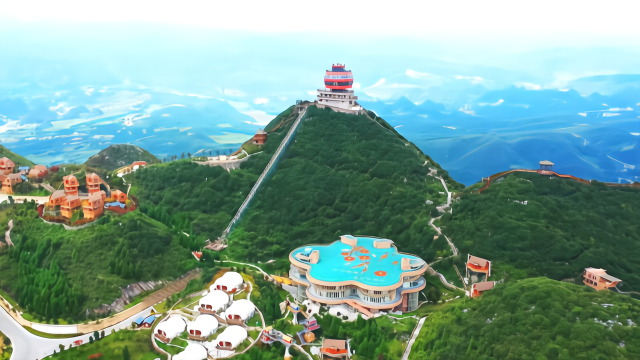
Qianxinan city skyline and landmarks (黔西南) - Travel China Guide

Qianxinan Travel Guide

A breathtaking corner of southwest Guizhou where the Malinghe Grand Canyon carves through karst peaks, and Buyi and Miao cultures thrive in ancient villages.

About

Qianxinan Buyi and Miao Autonomous Prefecture in southwest Guizhou is one of China's most visually stunning regions. Its name means "Southwest Guizhou," and it delivers dramatic landscapes that rival the province's more famous destinations.

The centerpiece is Malinghe Grand Canyon, a natural wonder often called the "Earth Crack." This 70-kilometer-long gorge plunges 300 meters deep, its walls lined with dozens of cascading waterfalls. During the rainy season, the canyon becomes a symphony of falling water and rising mist, with rainbows dancing across the chasm.

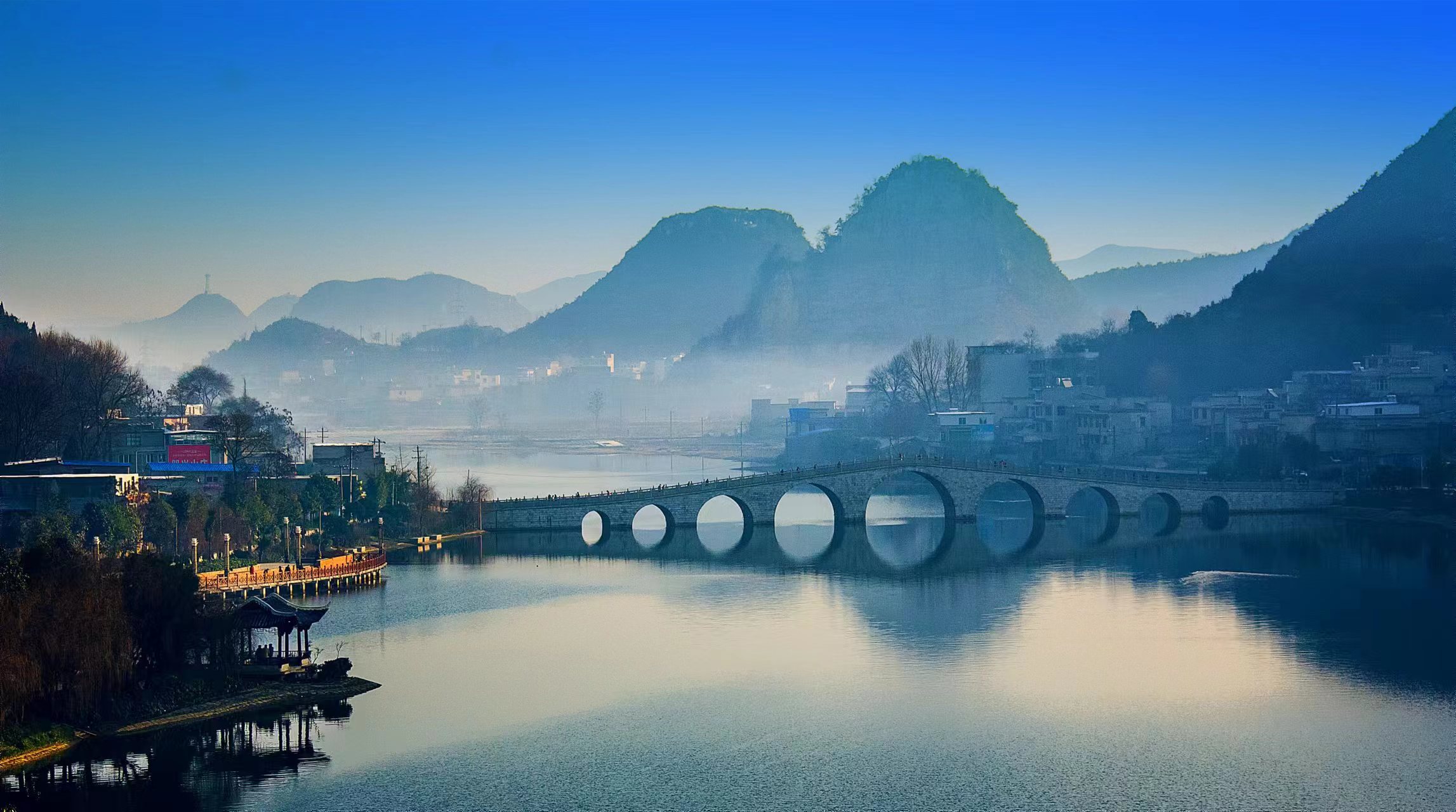
Equally impressive is Wanfenglin, or "Ten Thousand Peak Forest" — a vast plain dotted with thousands of conical karst peaks rising from verdant rice fields. This landscape feels like a traditional Chinese painting come to life, especially at sunrise when mist flows through the valleys.

Qianxinan is also the heartland of the Buyi people, one of China's 56 officially recognized ethnic groups. Villages like Nalong preserve Buyi traditions of textile weaving, batik dyeing, and stilt-house architecture. The Buyi are known for their warmth, their festival songs, and their distinctive cuisine based on sour and fermented flavors.

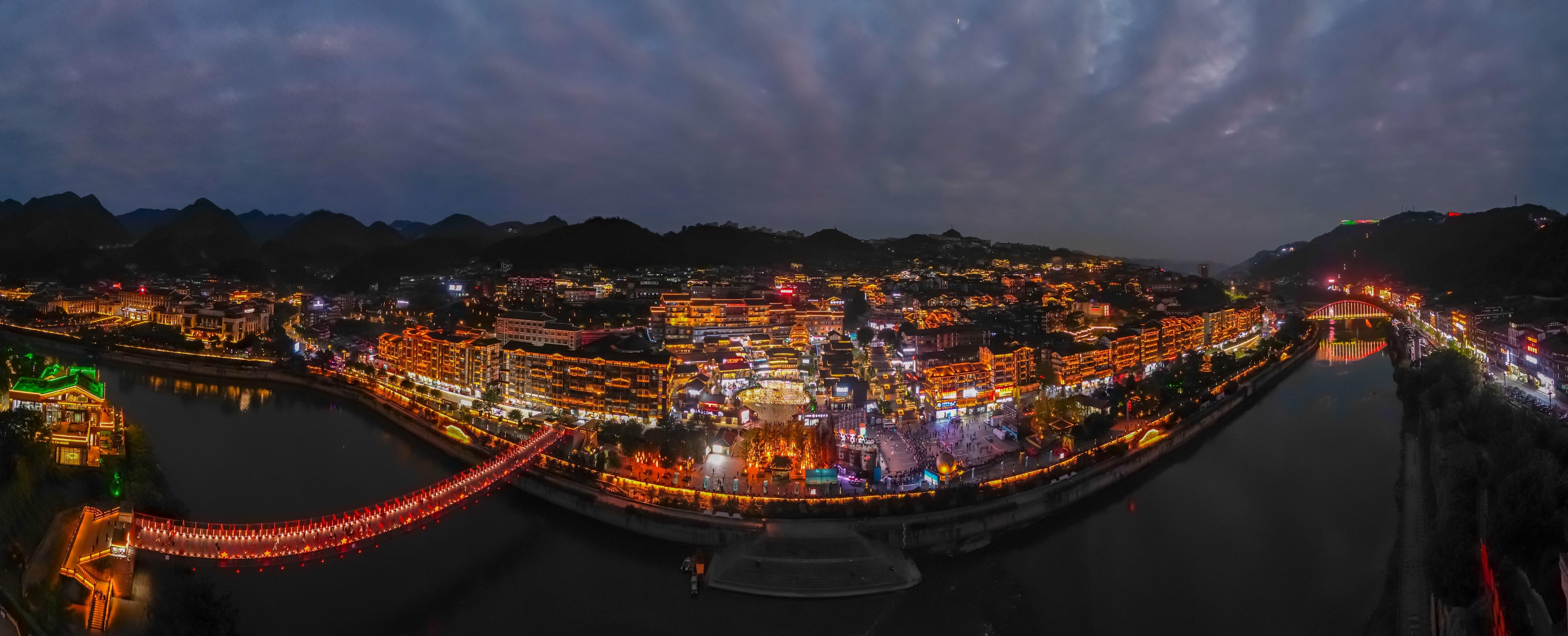
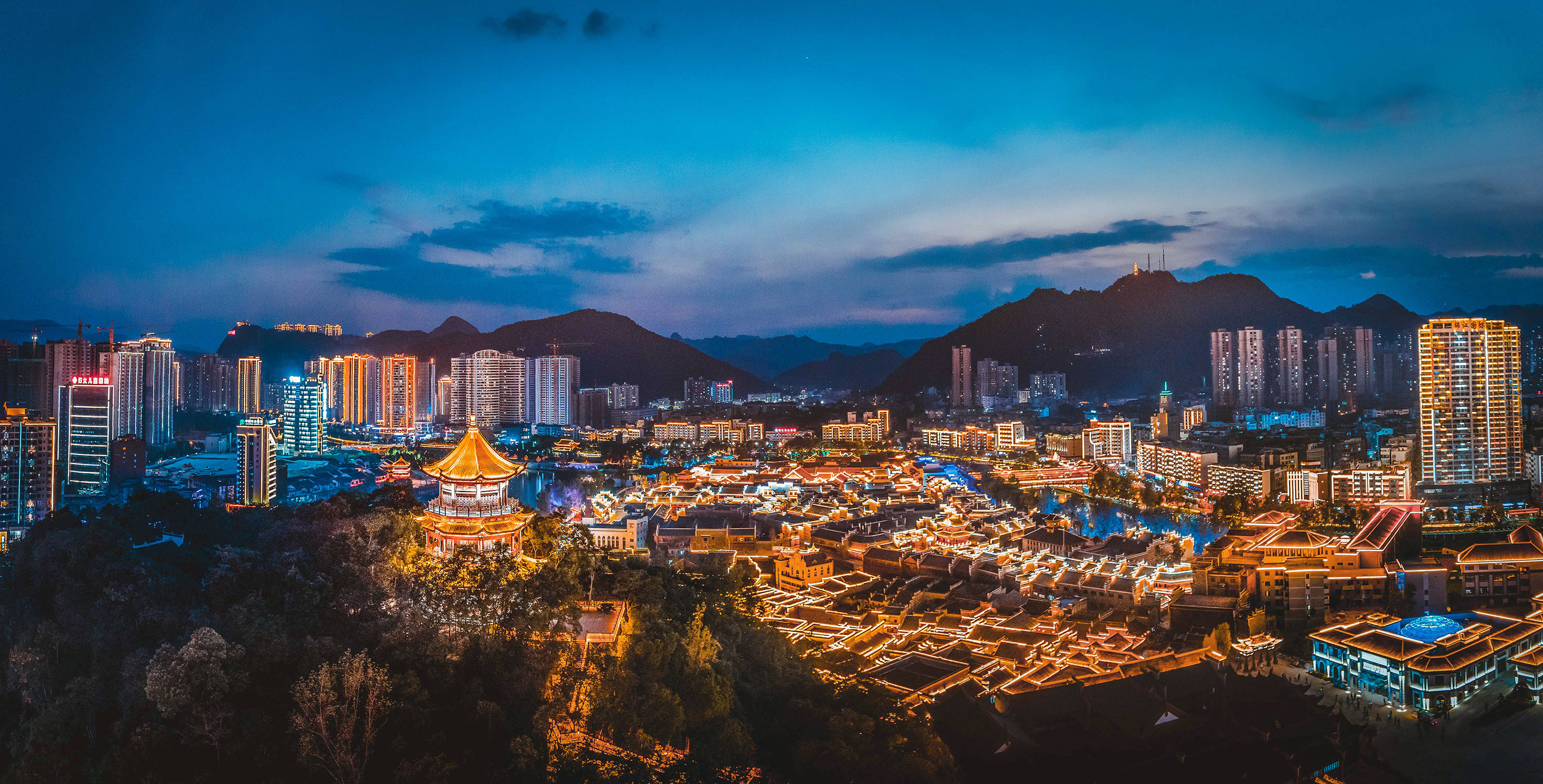
The prefecture's capital, Xingyi, serves as the perfect base for exploration. From here, visitors can reach the canyon, the peak forest, and Wanfeng Lake within an hour. Despite its extraordinary beauty, Qianxinan remains relatively undiscovered by international tourists, offering an authentic slice of rural Guizhou.

👥
Population 2.8 million
📐
Area 16,804 km²
💬
Language Mandarin Chinese, Buyi language, Miao language.

History & Development

Qianxinan has been inhabited since ancient times, with archaeological evidence of human activity dating back 10,000 years. The Buyi people, the region's largest ethnic group, are descendants of the ancient Baiyue tribes that inhabited southern China.

During the Tang and Song dynasties, the region was under the control of local chieftains who governed semi-autonomously. The Ming Dynasty (1368-1644) began incorporating the area more directly into the Chinese administrative system, though local chieftain systems continued.

The Qing Dynasty further consolidated control, encouraging Han Chinese migration to the region. In 1956, the Qianxinan Buyi and Miao Autonomous Prefecture was formally established to recognize the region's ethnic diversity and grant self-governance.

Historically isolated by its mountainous terrain, Qianxinan remained poor and underdeveloped until recent decades. Major infrastructure improvements — highways, the Nan-Kun Railway, and the nearby Xingyi Wanfenglin Airport — have transformed accessibility and economic prospects.

Economy & Industries

Qianxinan's economy traditionally relied on agriculture, with rice, corn, and tobacco as main crops. The region's warm climate and fertile valleys support productive farming, and the distinctive Buyi fermented products are gaining recognition.

Energy production has become a major economic driver. The Tianshengqiao Hydroelectric Station on the Nanpan River, one of Asia's largest, generates massive amounts of electricity and created Wanfeng Lake. The region also has significant gold, coal, and antimony mineral resources.

Tourism has grown rapidly as infrastructure improves. Malinghe Grand Canyon and Wanfenglin attract increasing numbers of domestic tourists. The unique Buyi ethnic culture adds a distinctive dimension to the region's appeal. The annual Buyi Cultural Festival promotes traditional arts and attracts visitors.

Qianxinan's GDP reached approximately 150 billion yuan. The prefecture continues to invest in tourism infrastructure, agricultural processing, and renewable energy development.

Top Attractions

🏔️ Nature

Malinghe Grand Canyon

Known as the "Earth Crack," Malinghe Grand Canyon is a spectacular gorge cutting 300 meters deep through karst landscape. The canyon stretches over 70 kilometers and is famous for its 100-meter-wide waterfall cluster — dozens of waterfalls plunge from both sides of the canyon simultaneously. A suspension bridge offers breathtaking views of the main waterfall. The canyon's unique microclimate creates year-round rainbows.

★★★★ 4.8
🕐 8:00 AM-6:00 PM
🎫 80 yuan
🏔️ Nature

Wanfenglin

One of the most spectacular karst landscapes in China, Wanfenglin ("Ten Thousand Peak Forest") features thousands of cone-shaped limestone peaks rising from emerald rice paddies. The peaks stretch to the horizon in every direction. A scenic road and hiking trails wind through the valleys, passing traditional Buyi villages where farmers tend their fields with water buffalo.

★★★★ 4.7
🕐 8:00 AM-6:30 PM
🎫 70 yuan
🏔️ Nature

Wanfeng Lake

A massive artificial lake created by the Tianshengqiao Dam, covering 816 square kilometers. The lake's emerald waters are dotted with hundreds of karst islets. Visitors can take boat cruises through the islands, explore hidden coves, and visit the impressive Tianshengqiao hydroelectric station — one of the largest in Asia.

★★★★ 4.5
🕐 8:00 AM-6:00 PM
🎫 60 yuan (boat tour extra)
📍 Other

Nalong Ancient Village

A 600-year-old Buyi ethnic village with over 200 traditional stilted wooden houses. The village is famous for its 360 ancient banyan trees, some over 1,000 years old, creating a canopy over the entire settlement. Buyi women weave traditional textiles and batik, while the village retains its original layout with stone-paved lanes and a central square.

★★★★ 4.6
🕐 Open all day
🎫 Free
📍 Other

Liuhe Xanadu

A hidden valley deep in the karst mountains of Qianxinan, accessible only by hiking trail. The valley contains a cluster of Buyi villages with traditional water-powered rice mills, terraced fields, and a pristine underground river that emerges as a crystal-clear spring. A true "hidden paradise" experience far from tourist crowds.

★★★★ 4.4
🕐 Open all day
🎫 Free
🏔️ Nature

Xingyi National Geopark

A UNESCO Global Geopark showcasing the rich geological history of the region, particularly the Triassic marine fossils that suggest this area was once an ancient ocean. The park includes fossil excavation sites, informative museums, and the dramatic Fuxing Karst Cave system.

★★★★ 4.3
🕐 8:30 AM-5:00 PM
🎫 50 yuan

Food & Culture

Discover the culinary treasures of Qianxinan, from traditional street food to imperial cuisine.

Things to Do

Canyon Hiking

Hike along the rim of Malinghe Grand Canyon and witness dozens of waterfalls.

Peak Forest Cycling

Cycle through Wanfenglin's karst peaks and Buyi villages on scenic paths.

🏛️

Buyi Culture Immersion

Visit Nalong village to see traditional weaving, batik, and Buyi architecture.

Lake Cruise

Take a boat cruise through the karst-dotted waters of Wanfeng Lake.

Getting Around

✈️

Airport

Xingyi Wanfenglin Airport (ACX) - 15 km from downtown Xingyi

🚄

High-Speed Rail

High-speed rail to Kunming (2 hours), Guiyang (2.5 hours)

🚌

Bus Network

Buses connect Xingyi with major towns and scenic areas

🚕

Taxi & Rideshare

Available throughout the city

Best Time to Visit

🌸

Spring

Mar - May

★★★★☆

Pleasant temperatures, blooming flowers, and green rice paddies. Ideal for cycling and hiking.

  • Pleasant weather
  • Green landscapes
  • Buyi festivals
☀️

Summer

Jun - Aug

★★★★☆

Rainy season — Malinghe waterfalls are at their most powerful. Lush landscapes throughout.

  • Powerful waterfalls
  • Lush peaks
  • Wanfeng Lake cruises
🍂

Autumn

Sep - Nov

★★★★★

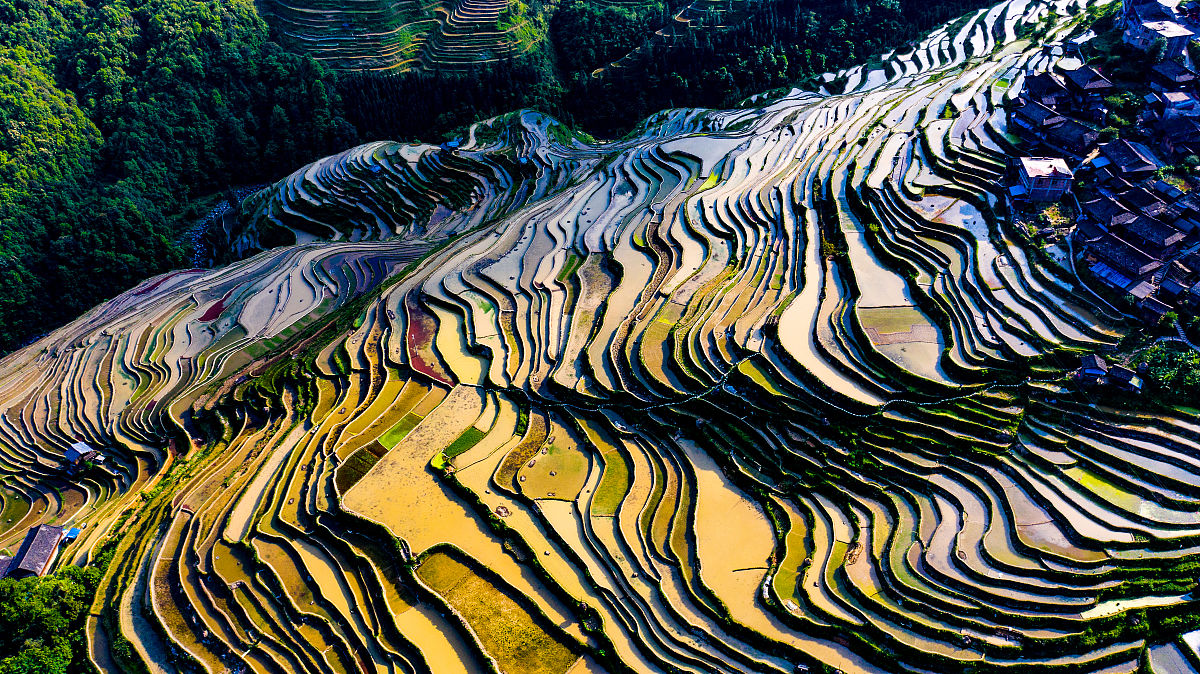
Clear skies, comfortable temperatures. The rice terraces turn golden before harvest.

  • Clear skies
  • Golden rice harvest
  • Perfect hiking weather
❄️

Winter

Dec - Feb

★★★☆☆

Mild and dry. Fewer tourists. Still pleasant for sightseeing, especially Wanfenglin.

  • Mild winter
  • Fewer crowds
  • Clear mountain views

🎉 Festivals & Events

Lunar Jun 6
Buyi June Sixth Festival

Buyi people celebrate with singing, dancing, buffalo fighting, and traditional feasting.

💡 Weather Tips

Bring rain gear year-round. Summer is humid. Sun protection recommended due to UV at moderate altitude.

Travel Reminders

💡

Canyon Timing

Visit Malinghe Canyon in the morning (June-October) when waterfalls are at full flow after summer rains.

💡

Wanfenglin Sunrise

Wanfenglin is most photogenic at sunrise when mist fills the valleys between karst peaks.

💡

Buyi Festival

Visit during the Buyi "June Sixth" Festival (lunar Jun 6) for songs, dances, and traditional buffalo fighting.

💡

Local Market Breakfast

Start your day at a Xingyi local morning market for fresh Erwanbao and roast pork.

Continue Exploring China

Discover more cities, food guides, and travel inspiration.