Bijie has been inhabited for thousands of years, with archaeological evidence of human settlement dating back to the Paleolithic era. The region was historically part of the Yelang Kingdom, a powerful ancient state in southwest China mentioned in Han Dynasty records.
During the Ming and Qing dynasties, Bijie developed as an important stop on trade routes connecting Guizhou with Yunnan and Sichuan. The migration of Han Chinese farmers during this period mixed with the indigenous Yi, Miao, and other ethnic groups, creating the region's multicultural character.
After 1949, Bijie was one of China's poorest regions due to its mountainous terrain and limited infrastructure. In the 1980s, it became a national poverty alleviation pilot area. Massive investments in transportation — highways, railways, and later high-speed rail — transformed connectivity.
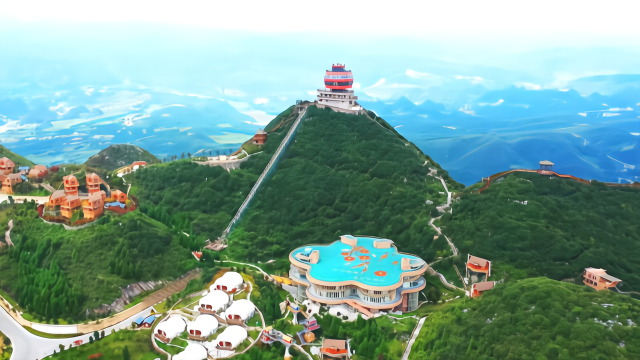
In recent decades, Bijie has leveraged its natural assets for tourism development, particularly the Baili Dujuan scenic area and Zhijin Cave. The Bijie High-Speed Rail station, opened in 2019, has dramatically improved access from Guiyang and other major cities, fueling tourism growth.