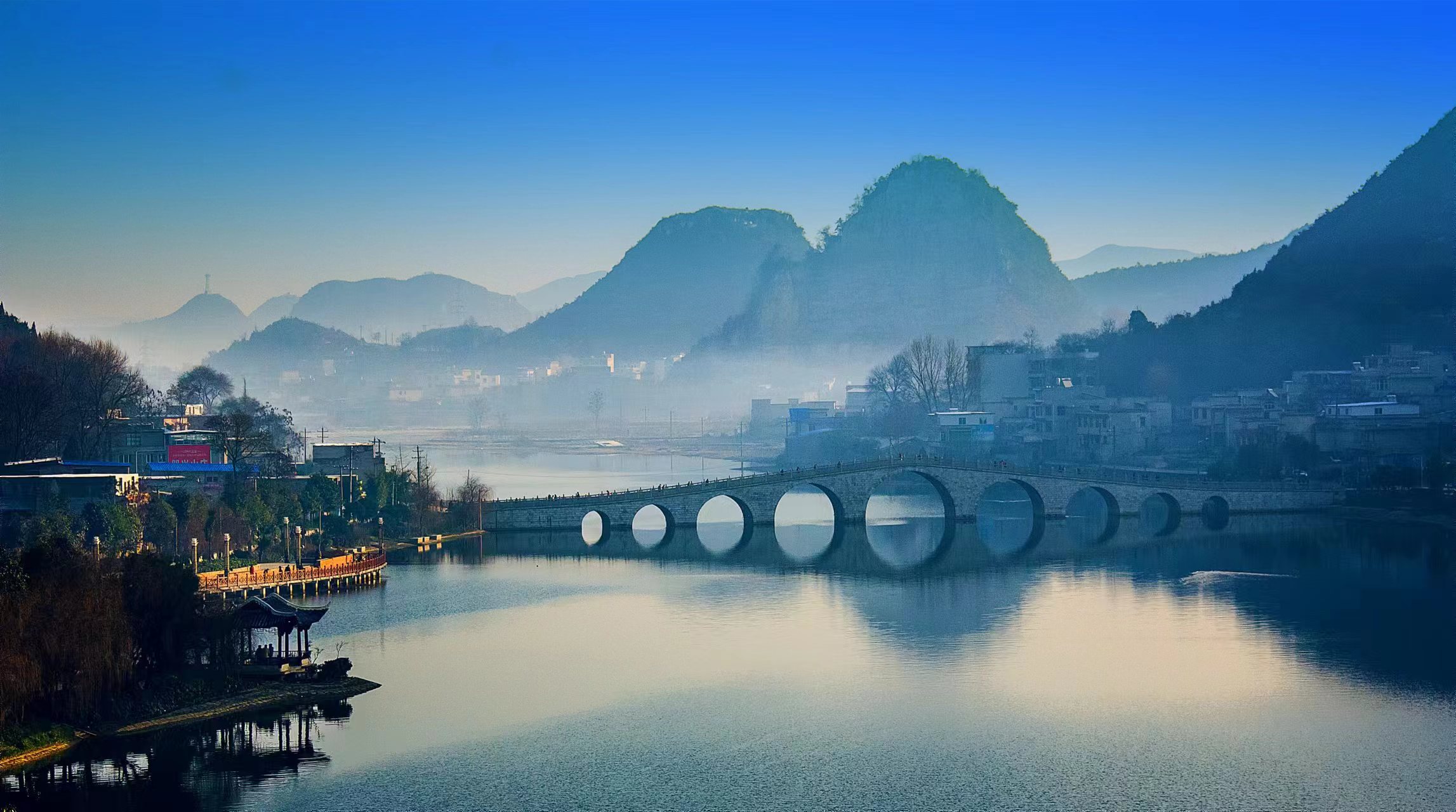
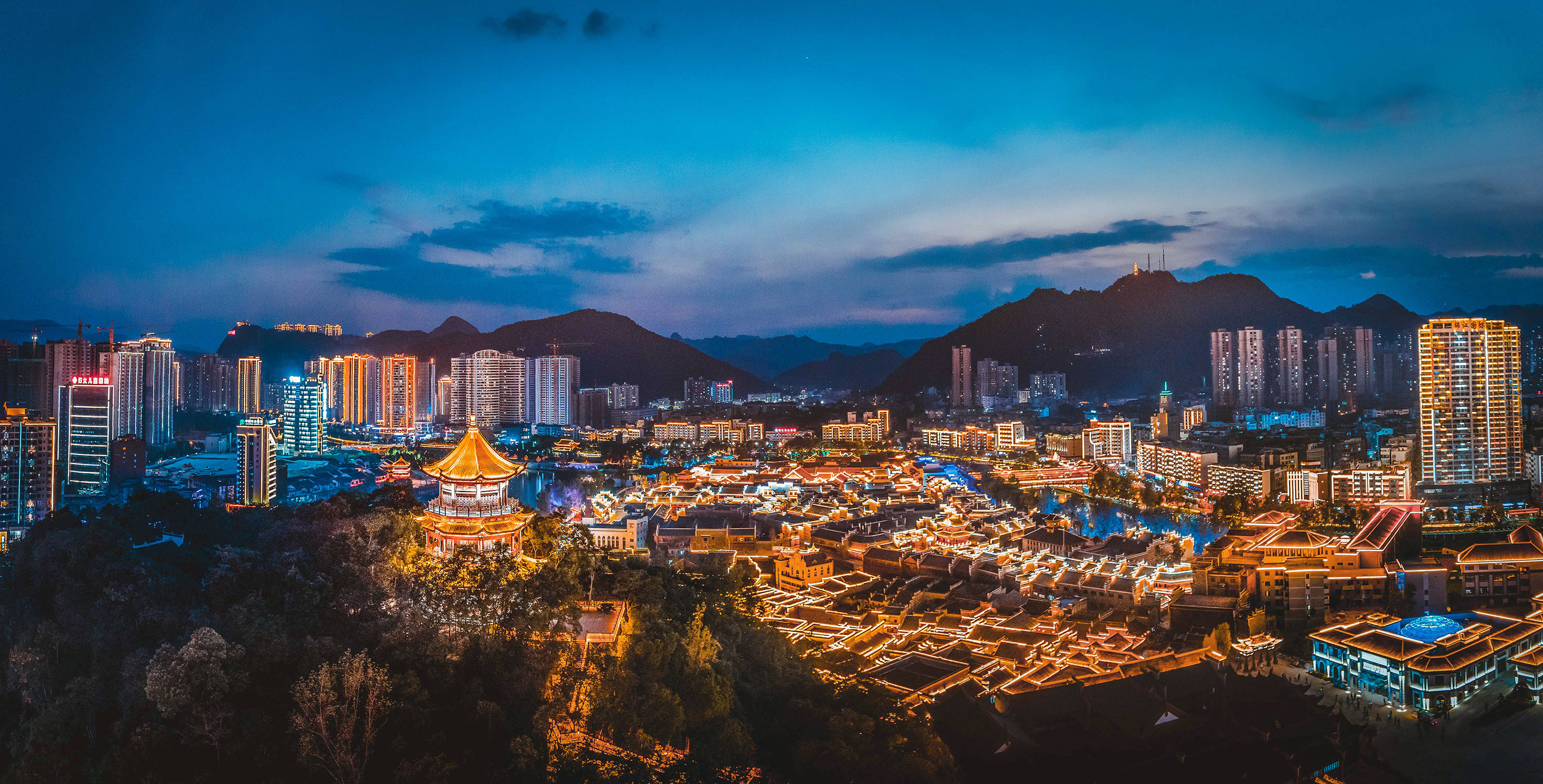
Jiaxiu Tower
Guiyang's iconic landmark built in 1598 during the Ming Dynasty. The three-story wooden pavilion spans the Nanming River, offering picturesque views and calligraphy inscriptions.
China's 'Summer Capital'—a city of cool mountain air, vibrant ethnic cultures, spicy sour cuisine, and stunning karst landscapes.
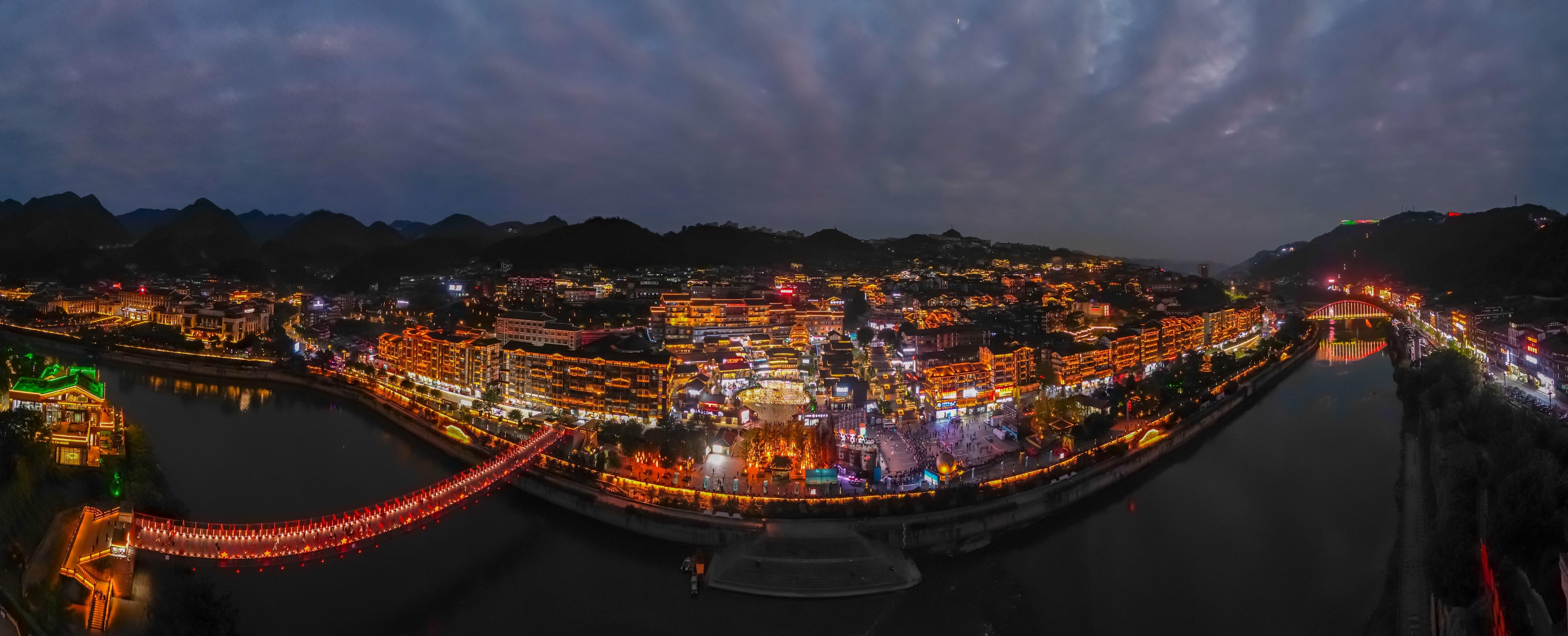
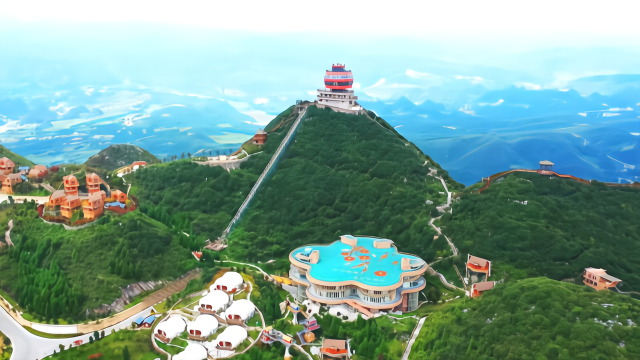
Guiyang is a city that defies expectations. While most of China swelters in summer heat, Guiyang enjoys mild temperatures averaging 23°C (73°F), earning it the well-deserved title of "Summer Resort Capital of China." Surrounded by forested hills and karst peaks, it is one of China's greenest and most livable cities.
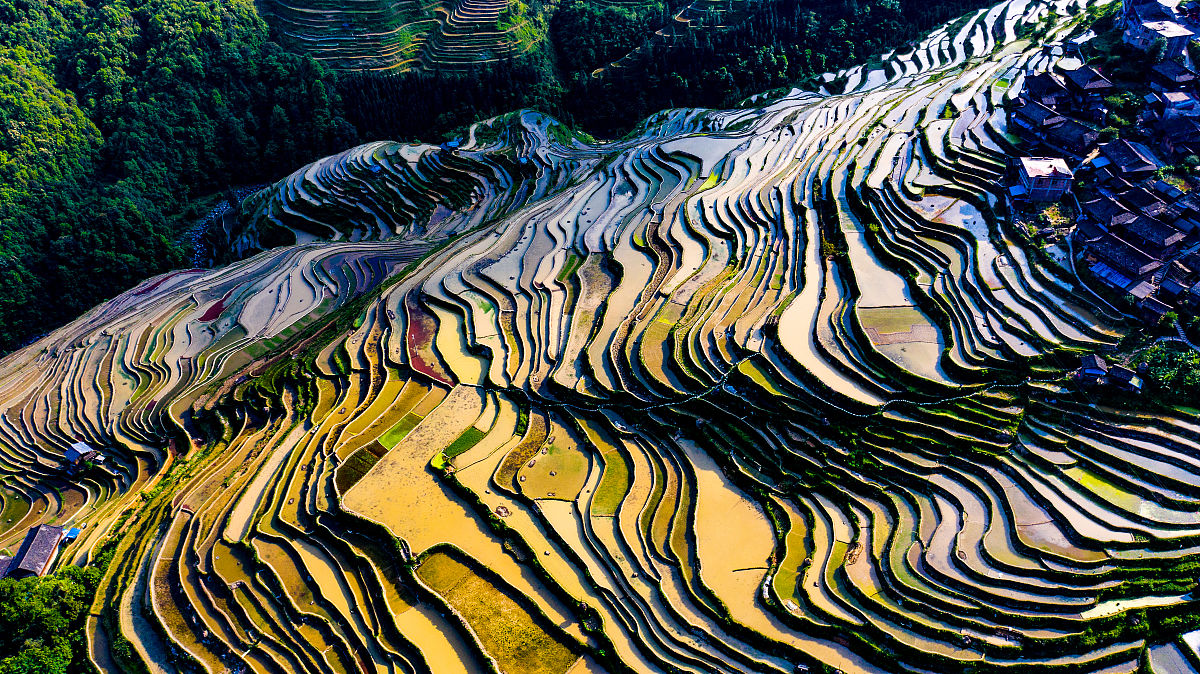
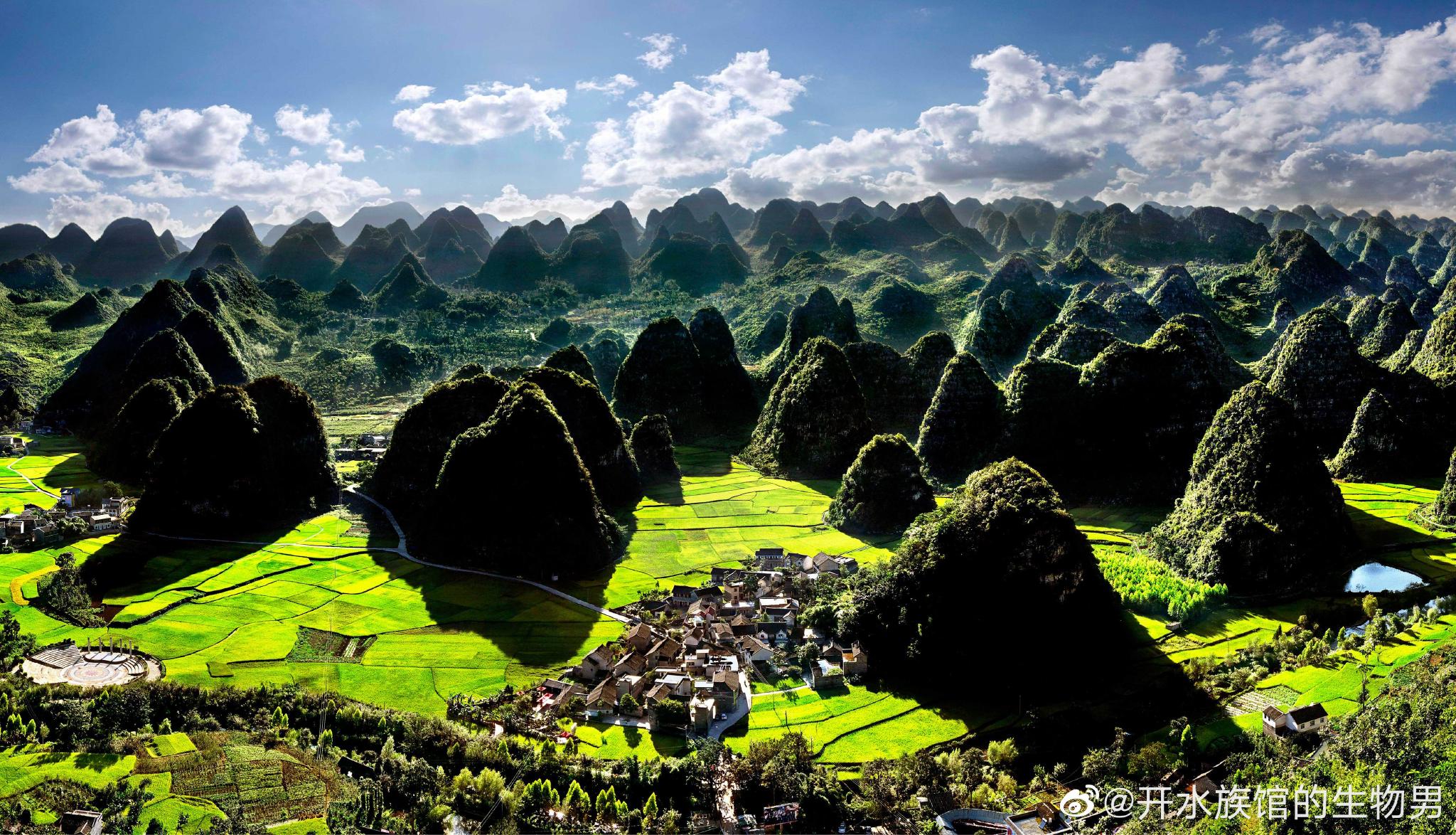
As the capital of Guizhou province, Guiyang serves as the gateway to some of China's most spectacular natural wonders. Huangguoshu Waterfall, Asia's largest, lies just 130km away. The surrounding countryside is dotted with Miao and Dong ethnic villages, ancient towns, and dramatic karst landscapes.
But Guiyang is also a city of surprising contrasts. It has emerged as China's big data hub, hosting data centers for Apple, Huawei, and Tencent. The city's skyline is a mix of modern high-rises and traditional pavilions, connected by an expanding metro system and one of the world's most dramatic mountain highways.
Guiyang's culinary scene is a celebration of sour and spicy flavors. The signature Changwang noodles, sour soup fish, and fiery Laziji chicken showcase the bold, complex tastes of Guizhou cuisine, influenced by the province's many ethnic minorities.
Beyond the food and scenery, Guiyang offers a relaxed quality of life—clean air, green public spaces, and a pace that feels refreshingly unhurried compared to China's mega-cities. It is a city that invites you to slow down, breathe deeply, and explore.
Guiyang's history as a city began in 1283 during the Yuan Dynasty when it was established as an administrative center for the Guizhou region. However, the area had been inhabited by various ethnic groups for thousands of years.
The city gained prominence during the Ming Dynasty. In 1413, Guizhou became a province, and Guiyang was designated its capital. The iconic Jiaxiu Tower was built in 1598, becoming an enduring symbol of the city.
During the Qing Dynasty, Guiyang developed as a commercial hub, connecting inland China with the southwest. The construction of roads and bridges improved access to this previously remote region.
The 20th century brought significant changes. During the Second Sino-Japanese War (1937-1945), Guiyang served as a refuge for industries and universities fleeing coastal China, bringing a wave of development.
After 1949, Guiyang industrialized steadily. However, its geography limited growth until the 21st century. The completion of the Guiyang-Guangzhou high-speed railway in 2014 marked a turning point, cutting travel time from 20 hours to 4.
The city's most dramatic transformation began in the 2010s with the rise of the big data industry. Cool climate, abundant hydroelectric power, and stable geology made Guiyang ideal for data centers. By 2020, it had become China's undisputed big data capital.
Today, Guiyang continues to grow rapidly, balancing technological development with environmental protection, and emerging as one of China's most unique and livable cities.

Guiyang's economy has undergone a remarkable transformation. Traditionally reliant on resource industries like aluminum and phosphorus mining, the city has reinvented itself as China's big data capital.
The Guiyang Big Data Industrial Park, established in 2014, has attracted global tech giants including Apple, Huawei, Tencent, and China Mobile. These companies have built massive data centers in the city's cool climate, taking advantage of Guizhou's abundant hydroelectric power and stable geology.
The digital economy now accounts for a significant portion of Guiyang's GDP. The city hosts the annual China International Big Data Expo, the country's largest data industry event. Big data and related tech sectors employ over 200,000 people.
Tourism is another pillar of the local economy. Huangguoshu Waterfall, ethnic minority villages, and Guiyang's pleasant summer climate draw millions of domestic and international visitors annually. Ecotourism and rural tourism are growing sectors.
Traditional industries remain important. Guizhou is China's largest producer of phosphates and a major source of aluminum, manganese, and coal. The food processing industry, especially baijiu (liquor) production and tea processing, contributes significantly to the economy.
Guiyang's GDP reached 515 billion yuan in 2024. The city continues to attract investment in high-tech manufacturing, green energy, and pharmaceutical industries, positioning itself as a model for sustainable development in China's interior.
Discover the culinary treasures of Guiyang, from traditional street food to imperial cuisine.
Guiyang Longdongbao International Airport (KWE) - 12 km from city center
Connected to major cities
Public transportation available
Extensive network throughout the city
Available throughout the city
Mar - May
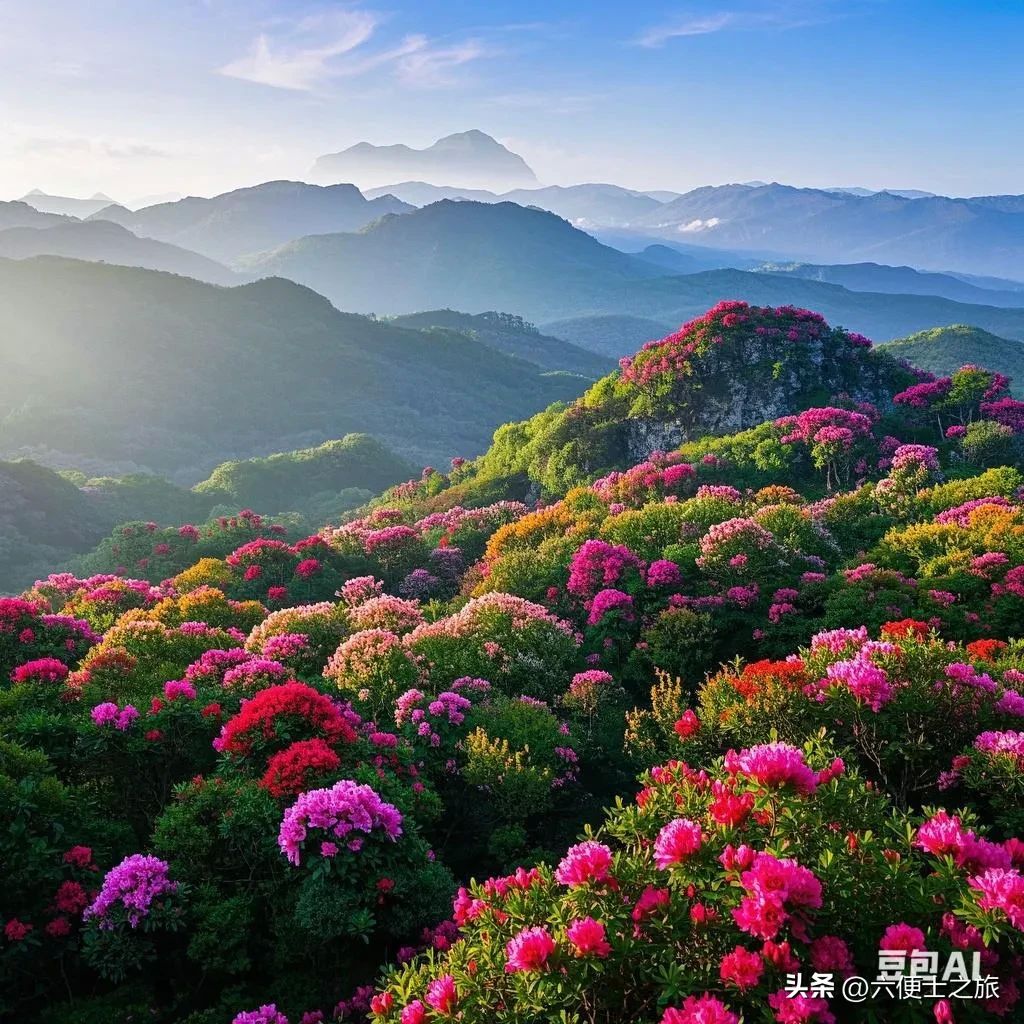
Mild temperatures and blooming flowers. Occasional rain but mostly pleasant for outdoor exploration.
Jun - Aug
Pleasantly cool (23°C avg) but rainy. The best season to escape China's summer heat elsewhere.
Sep - Nov
Clear skies, cool temperatures, and golden foliage. Perfect for hiking and sightseeing.
Dec - Feb
Cold and damp with temperatures near freezing. Low season but fewer crowds and lower prices.
The most important Miao festival featuring traditional costumes, silver ornaments, dances, and bullfights.
A Miao romantic festival where girls give colored rice to express affection. Colorful celebrations in surrounding villages.
Bring an umbrella year-round. Summer is the rainiest season. Winter is cold and damp.
Discover more cities, food guides, and travel inspiration.