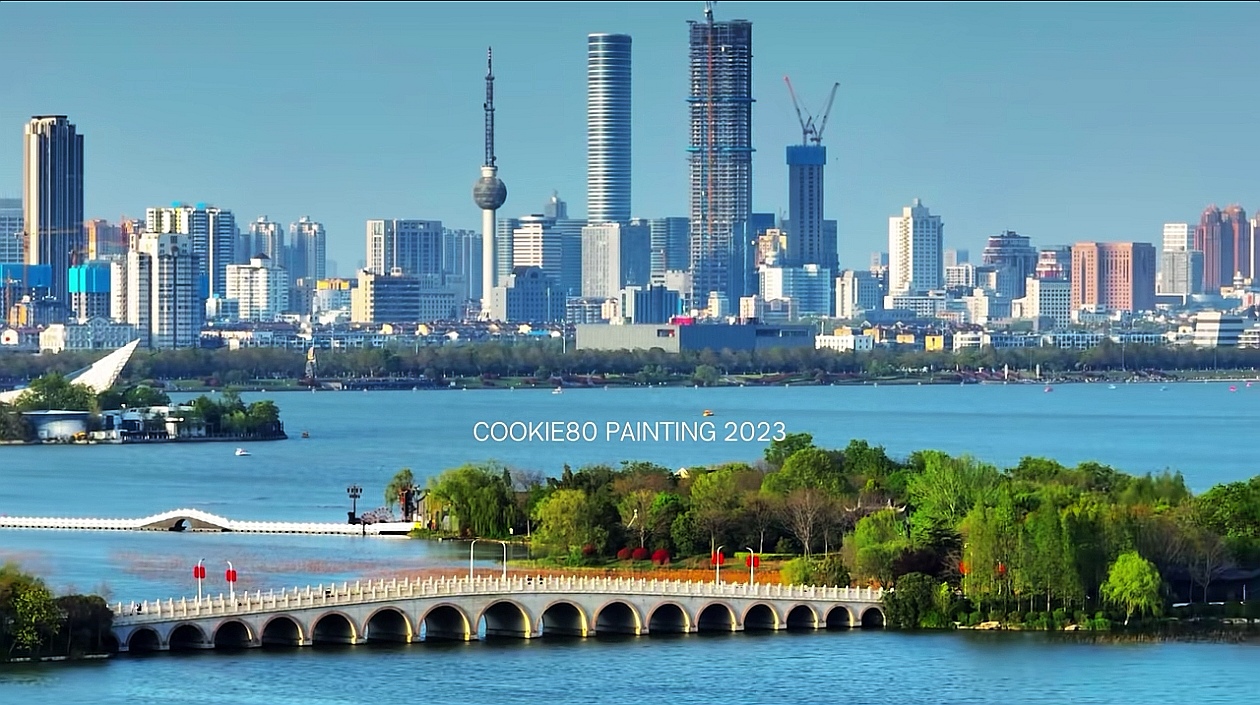
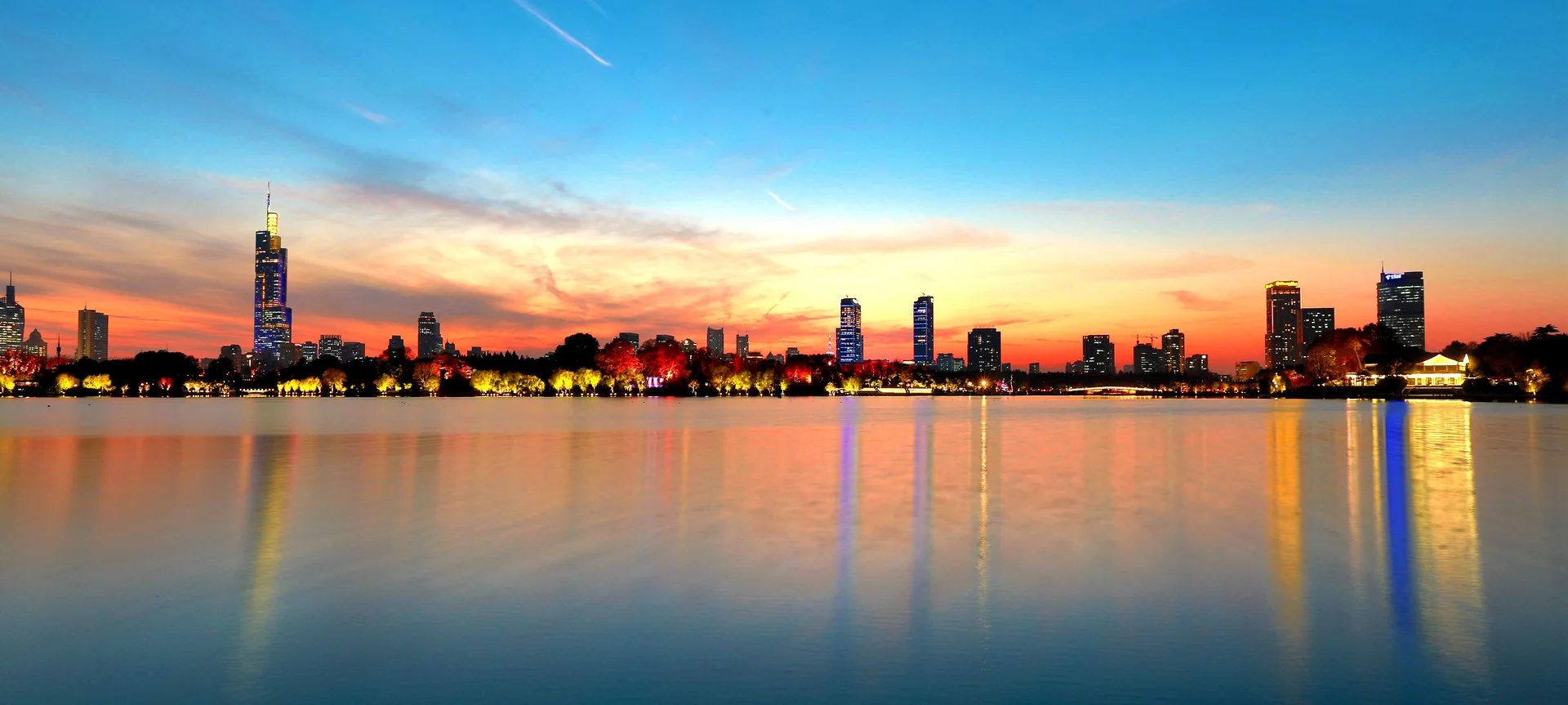
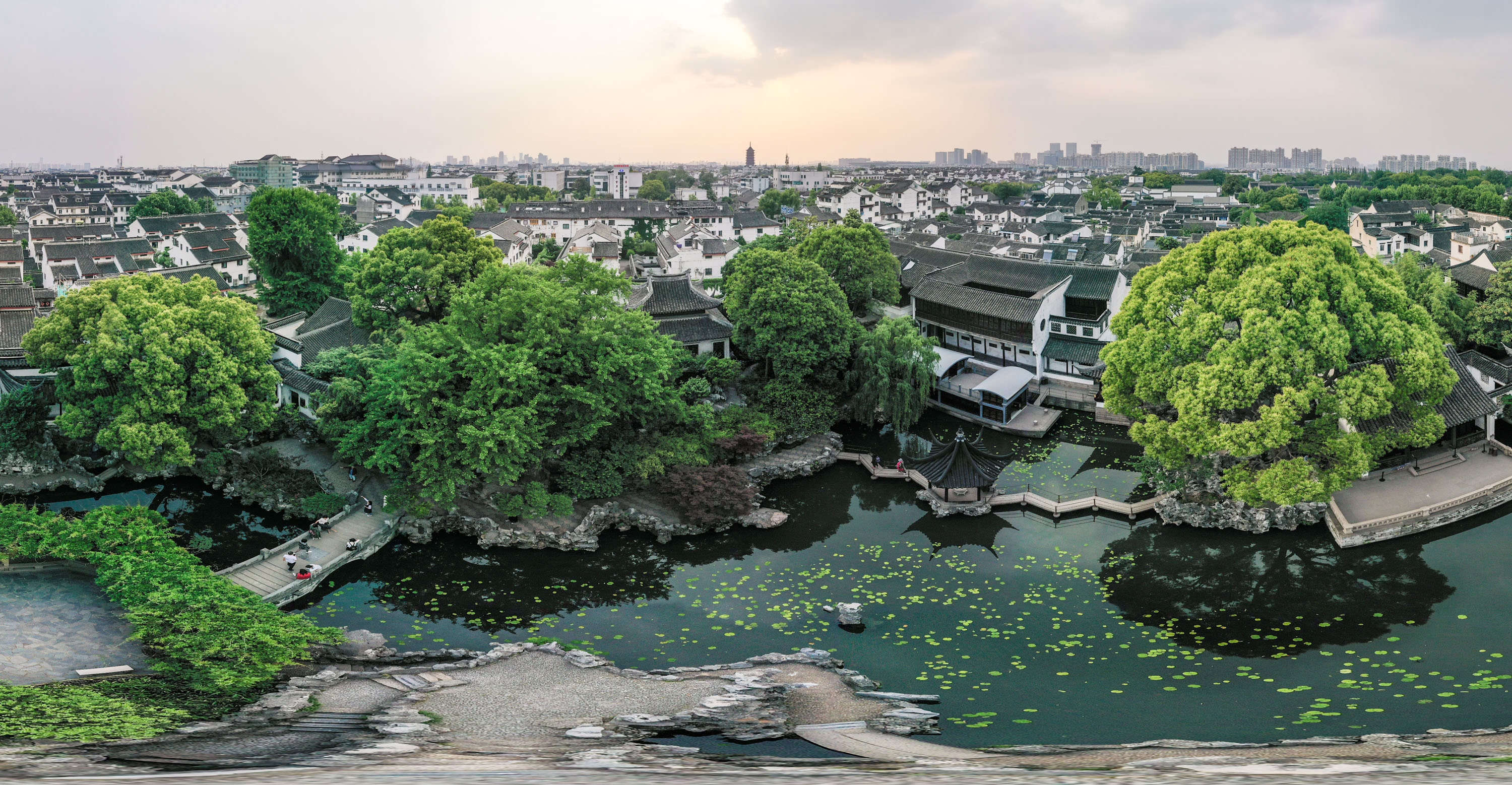
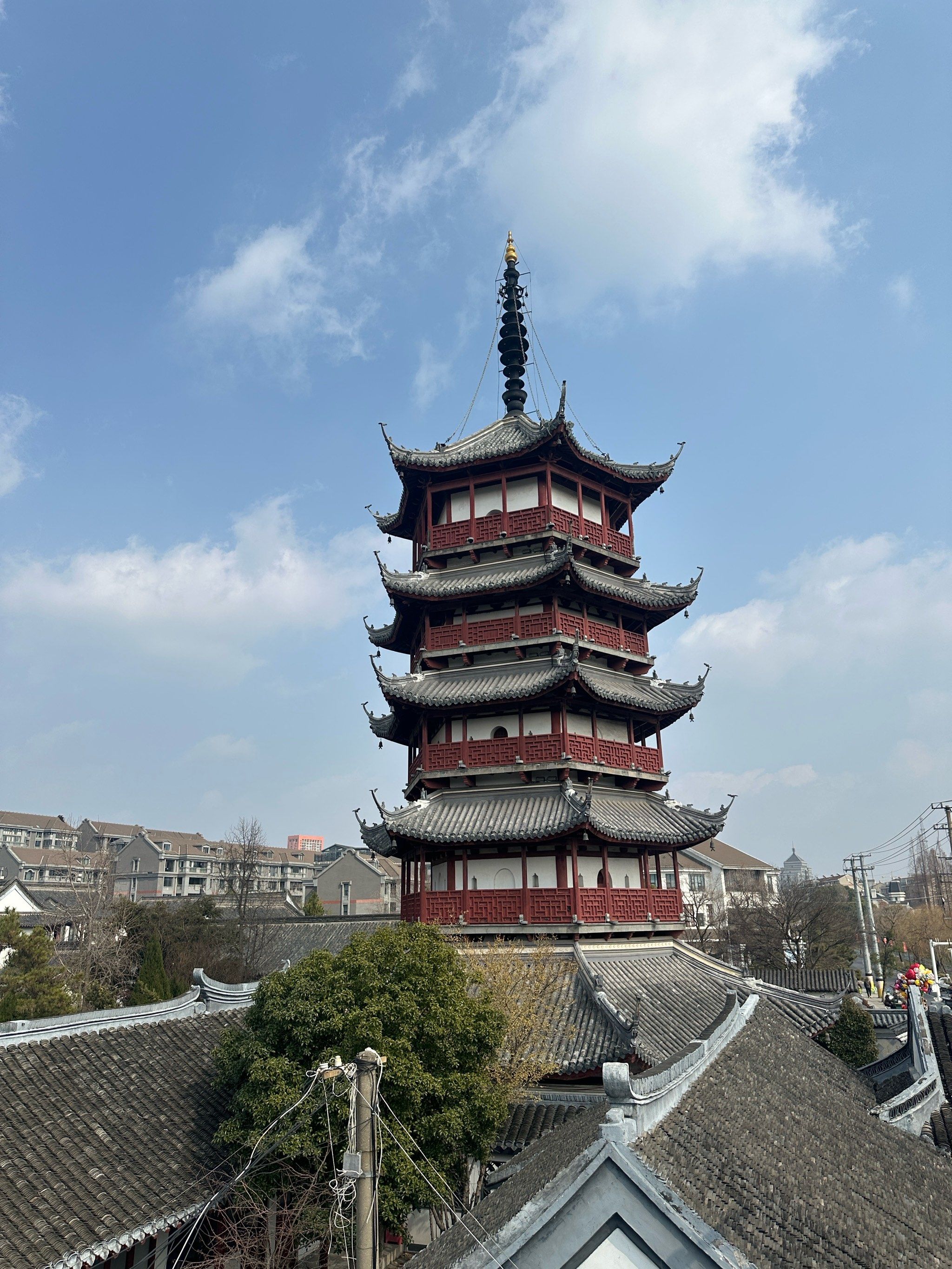
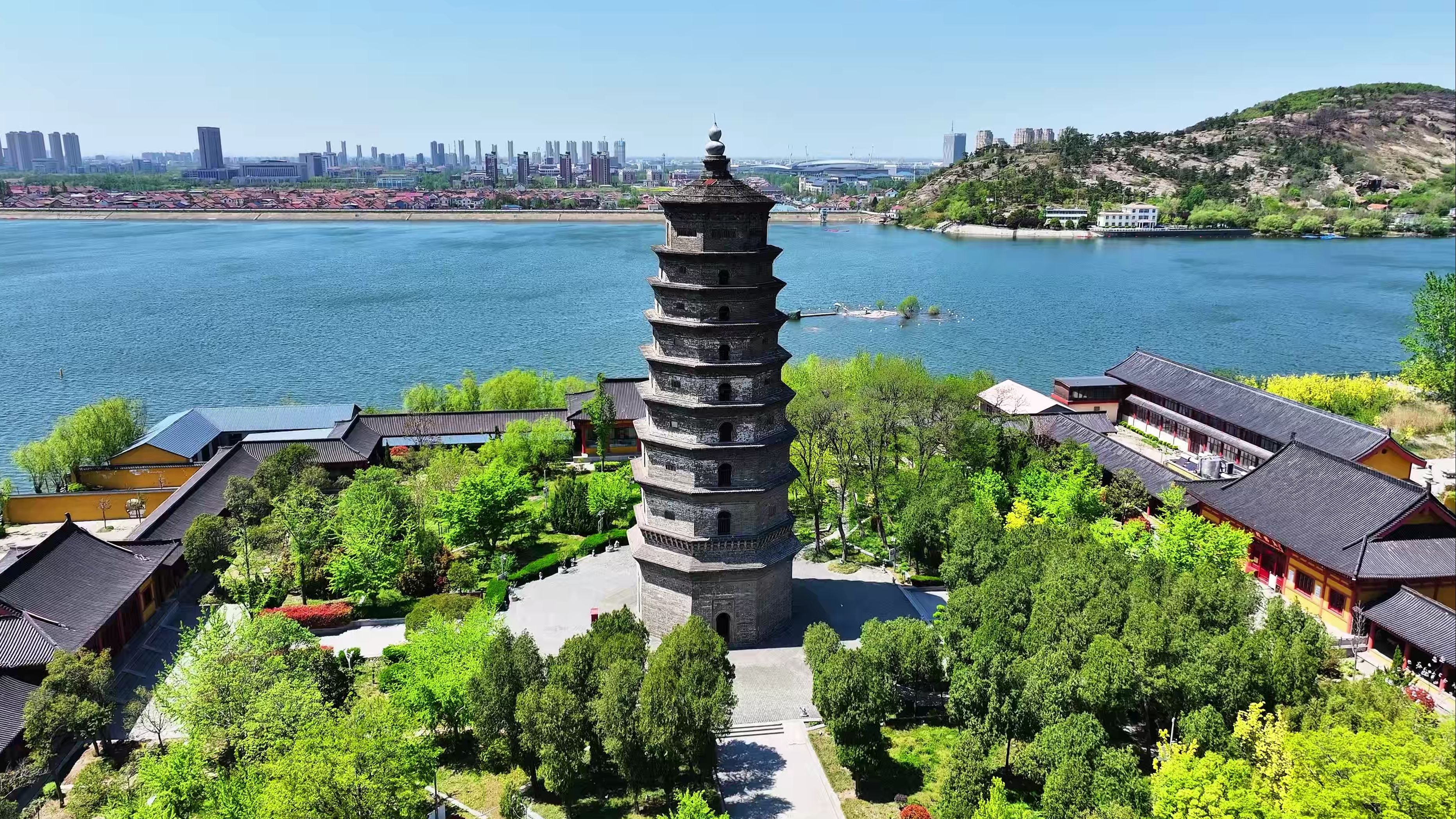
Huaian city skyline and landmarks (淮安) - Travel China Guide

Huaian Travel Guide

The historic hometown of Premier Zhou Enlai, a canal city along the Beijing-Hangzhou Grand Canal known for its Huaiyang cuisine — one of China's Four Great Culinary Traditions.

About

Huai'an, located in the central part of Jiangsu province along the Grand Canal, is one of China's most historically significant canal cities. For over a thousand years, it served as a crucial hub on the Beijing-Hangzhou Grand Canal, the world's longest artificial waterway. This strategic position made Huai'an a prosperous center of trade, culture, and administration.

The city is perhaps best known worldwide as the birthplace of Zhou Enlai (1898-1976), the first Premier of the People's Republic of China. Zhou is widely revered for his diplomatic skill, integrity, and tireless dedication to national development. His former residence in Huai'an is a major pilgrimage site for visitors from across China and around the world.

Huai'an is also celebrated as a heartland of Huaiyang cuisine, one of China's Four Great Culinary Traditions. The cuisine is known for its refined preparation, subtle flavors, and emphasis on the natural taste of fresh ingredients. Dishes like soft-braised eel, soup dumplings, and Pingqiao tofu showcase the culinary philosophy of "using the finest ingredients and the lightest touch."

Beyond its cultural treasures, Huai'an borders Hongze Lake, the fourth largest freshwater lake in China, which provides a rich aquatic ecosystem and is famous for its crayfish, crabs, and fish.

History & Development

Huai'an's history stretches back over 2,000 years. It was founded during the Qin dynasty and grew in importance during the Sui dynasty when the Grand Canal was constructed, connecting the Yellow River and Yangtze River systems. By the Tang and Song dynasties, Huai'an had become a major transshipment center for grain, salt, and other goods.

During the Ming and Qing dynasties, Huai'an reached its golden age as the seat of the Governor-General of Grain Transport, one of the most powerful official positions in imperial China. The city's prosperity attracted merchants, scholars, and artisans from across the empire.

Zhou Enlai was born in Huai'an in 1898. Although he left the city at age 12 to pursue his education, he often credited his childhood in Huai'an with shaping his character. His former residence and the Zhou Enlai Memorial Hall are among the city's most visited sites.

In the modern era, Huai'an has transformed from a canal-dependent city to a diversified economy built on manufacturing, food processing, and tourism. The revival of the Grand Canal as a cultural heritage site has spurred significant investment in the Li Canal Cultural Corridor, restoring Huai'an's historic waterfront to its former glory.

Economy & Industries

Huai'an's economy has diversified significantly from its historical reliance on canal trade and agriculture into a balanced mix of modern industries.

As a key city in the Nanjing metropolitan circle, Huai'an has attracted significant investment in electronics, precision machinery, and new materials. The Huai'an Economic and Technological Development Zone hosts numerous manufacturing enterprises, including major players in the electronics supply chain.

The food processing industry is a traditional pillar, leveraging the region's abundant agricultural and aquatic resources. Hongze Lake's crayfish, crab, and fish products have created a thriving aquaculture and food export sector that supplies markets across China.

Tourism continues to grow, driven by Zhou Enlai heritage tourism, the Grand Canal cultural corridor, and Hongze Lake's eco-tourism. The "One Canal, One Lake, One Cuisine" tourism brand encapsulates the city's unique offerings.

Agriculture remains important, with Huai'an being a major producer of rice, wheat, rapeseed, and aquatic products in Jiangsu province.
Top Attractions

🏛️ Landmark

Zhou Enlai Former Residence

The childhood home of Zhou Enlai, the first Premier of the People's Republic of China. Located in the ancient town of Huai'an, this well-preserved Qing dynasty courtyard complex consists of 32 rooms spread across two connected courtyards. The residence displays photos, personal belongings, and documents from Zhou's early life, offering an intimate glimpse into the upbringing of one of modern China's most respected leaders.

★★★★ 4.8
🕐 8:30 AM - 5:00 PM
🎫 Free
🏛️ Landmark

Li Canal Cultural Corridor

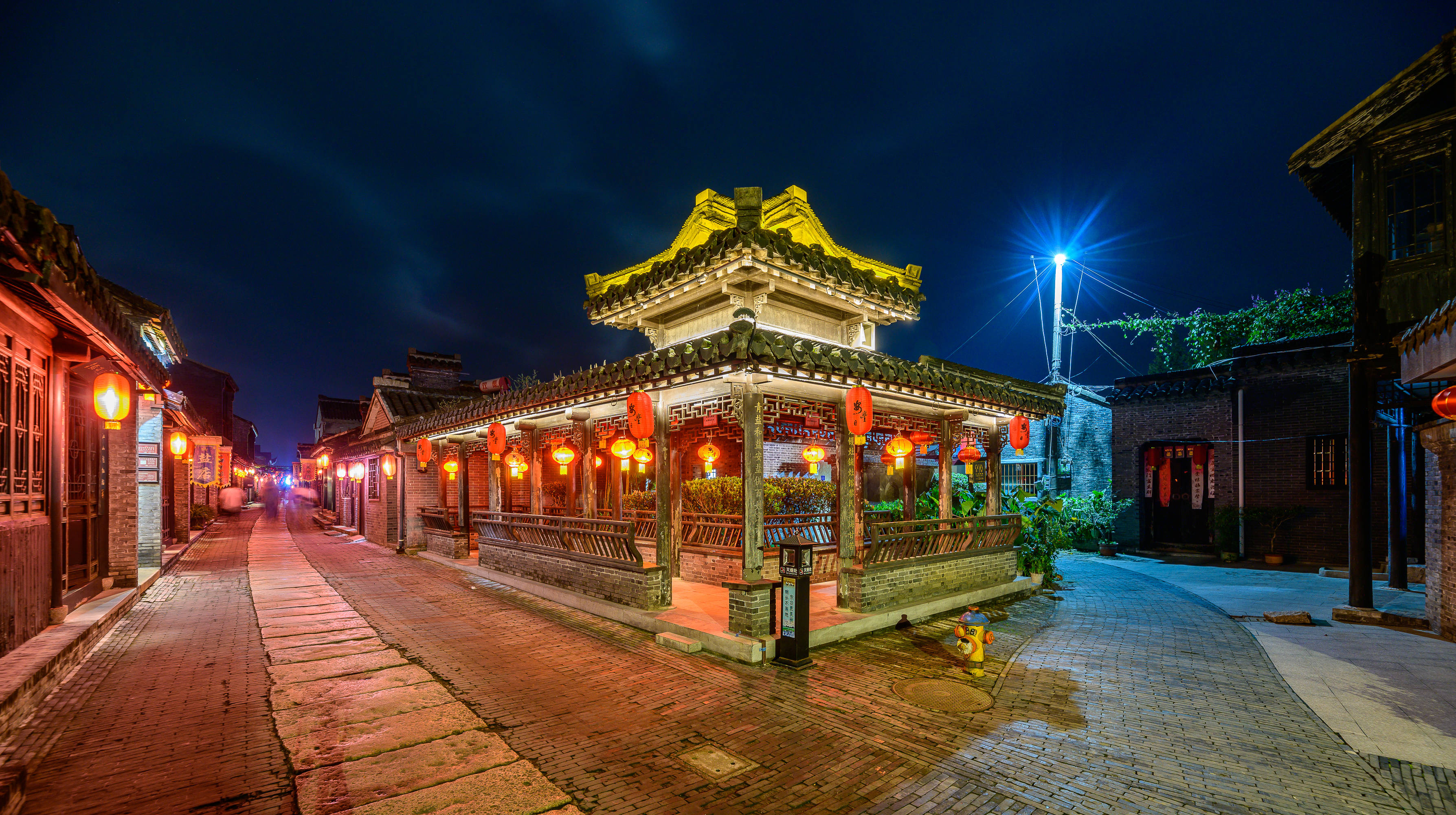
A scenic 15-kilometer stretch along the historic Grand Canal, beautifully restored with traditional architecture, landscaped gardens, and illuminated bridges. The corridor showcases Huaian's canal heritage with pavilions, pagodas, and waterfront promenades. Evening boat cruises offer a magical perspective as the ancient buildings and modern light displays reflect off the water.

★★★★ 4.6
🕐 Open all day
🎫 Free
🏔️ Nature

Hongze Lake

The fourth largest freshwater lake in China, spanning 1,969 square kilometers. Hongze Lake is renowned for its vast wetlands, abundant birdlife, and spectacular sunsets. The lake's ancient dike system, built during the Ming and Qing dynasties, is a remarkable hydraulic engineering achievement. Visitors can take boat tours, visit fishing villages, and sample the lake's famous aquatic produce.

★★★★ 4.5
🕐 Open all day
🎫 Free
🏛️ Landmark

Qingyan Garden

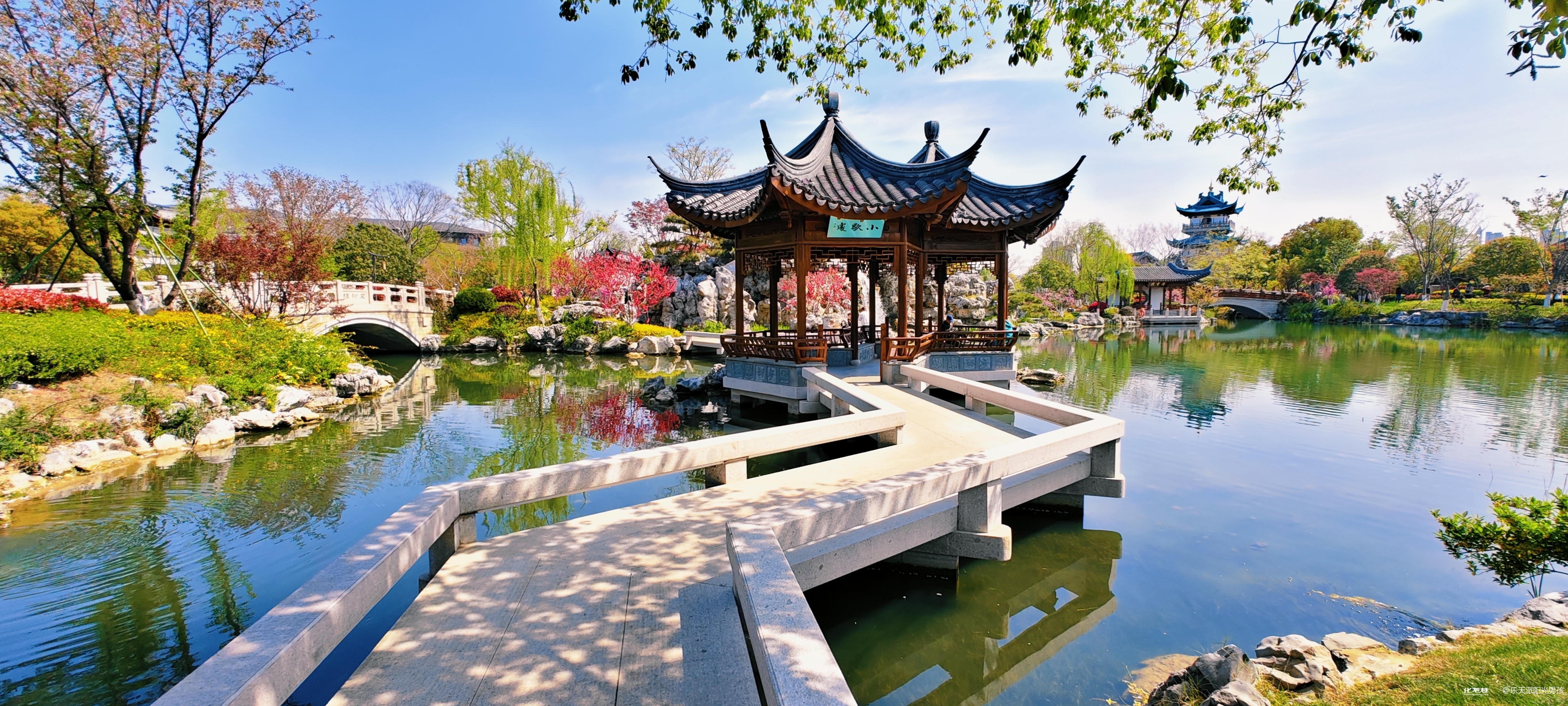
A classical Jiangnan-style garden originally built in the Qing dynasty as the official residence of the Grand Canal commissioner. The garden features elegant pavilions, winding corridors, rockeries, and a serene lotus pond. Its name "Qingyan" means "clear and peaceful," reflecting the garden's tranquil atmosphere. It's a masterpiece of traditional Chinese garden design with over 300 years of history.

★★★★ 4.5
🕐 8:00 AM - 5:30 PM
🎫 30 yuan
⛩️ Temple

Tieshan Temple

A historic Buddhist temple complex nestled in the mountains of Xuyi County, first built during the Tang dynasty. The temple is surrounded by a national forest park with lush vegetation, clear streams, and unusual rock formations. The area combines spiritual heritage with natural beauty, featuring ancient ginkgo trees, meditation halls, and hiking trails through bamboo groves.

★★★★ 4.4
🕐 8:00 AM - 5:00 PM
🎫 50 yuan
🏛️ Landmark

Huaian Government Office

One of the best-preserved ancient government office complexes in China, dating back to the Ming dynasty. Covering over 50,000 square meters, this sprawling complex includes court halls, administrative offices, prison cells, and living quarters for officials. The site provides a fascinating window into imperial Chinese bureaucracy and legal proceedings, with wax figures recreating historical courtroom scenes.

★★★★ 4.3
🕐 8:00 AM - 5:00 PM
🎫 60 yuan

Food & Culture

Discover the culinary treasures of Huaian, from traditional street food to imperial cuisine.

Best Time to Visit

Spring (April-May) and Autumn (September-October) offer the best weather for most destinations in China.

Continue Exploring China

Discover more cities, food guides, and travel inspiration.