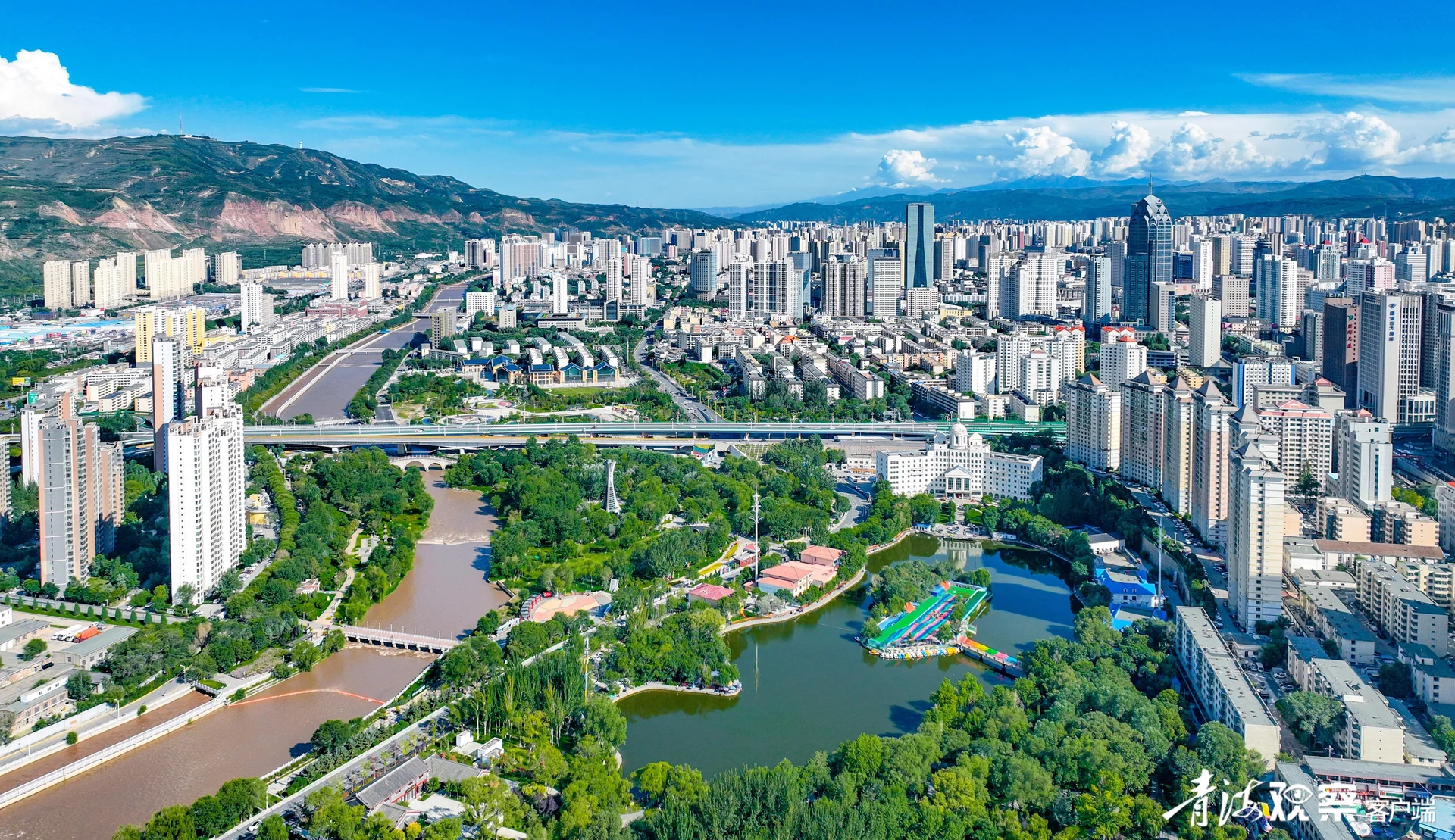
Haidong city skyline and landmarks (海东) - Travel China Guide

Haidong Travel Guide

Qinghai's second-largest city, Haidong is the eastern gateway to the Tibetan Plateau, known for its stunning mountain scenery, Tibetan Buddhist culture, and the famous Qutan Monastery.

About

Haidong is a prefecture-level city in eastern Qinghai Province, situated on the upper reaches of the Yellow River. It serves as the eastern gateway to the Tibetan Plateau, connecting the lowlands of Gansu with the high-altitude landscapes of western Qinghai and Tibet.

The city's name means "East of the Lake," referring to its position east of Qinghai Lake. Haidong's landscape is defined by the deep canyon of the Yellow River, terraced farmland climbing the valley slopes, and the distant snow-capped Qilian Mountains. The elevation ranges from 1,800 to 4,000 meters.

Haidong has a rich cultural heritage shaped by Tibetan, Han Chinese, Hui Muslim, and Tu ethnic groups. The crown jewel is Qutan Monastery, a Ming dynasty Tibetan Buddhist monastery with spectacular murals. The region also preserves Neolithic archaeological sites that reveal ancient civilizations of the Tibetan Plateau.

History & Development

The Haidong region has been inhabited for over 5,000 years, as evidenced by the Gaomiao Neolithic site. During the Han and Tang dynasties, the area was a crucial stop on the ancient Silk Road's Hexi Corridor route.

Qutan Monastery, built in 1393 during the early Ming Dynasty, was an important center of Tibetan Buddhist learning. The monastery received imperial patronage, reflecting the Ming court's support for Tibetan Buddhism as a means of managing relations with Tibet.

Haidong was established as a prefecture-level city in 2013, splitting from the former Haidong Prefecture. It is one of China's youngest prefecture-level cities.

Economy & Industries

Haidong's economy is based on agriculture, renewable energy, and tourism. The Yellow River valley supports irrigated farming of wheat, barley, rapeseed, and vegetables. The city is developing solar and wind energy projects, leveraging its abundant sunshine and strong winds. Tourism centered on Qutan Monastery, the canyon landscape, and Tibetan culture is a growing sector.

Top Attractions

⛩️ Temple

Qutan Monastery

Qutan Monastery is a magnificent Tibetan Buddhist monastery built in the Ming Dynasty (1393 AD). It features a unique blend of Han Chinese and Tibetan architectural styles. The monastery is renowned for its stunning murals covering over 1,500 square meters, depicting Buddhist deities, stories, and celestial scenes. The central hall houses a massive golden Buddha statue.

★★★★ 4.6
🕐 08:00-17:30
🎫 50 yuan
🎭 Museum

Gaomiao Neolithic Site

The Gaomiao archaeological site is a Neolithic settlement dating back over 5,000 years. Excavations have revealed advanced pottery, jade artifacts, and architectural foundations that provide evidence of early civilization on the Tibetan Plateau. The site museum displays the artifacts found during excavations.

★★★★ 4.2
🕐 09:00-17:00
🎫 30 yuan
🏔️ Nature

Haidong Grand Canyon

A dramatic canyon carved by the Yellow River through the Loess Plateau. The canyon walls display vivid geological layers in shades of red, yellow, and brown. Scenic overlooks along the rim offer breathtaking views of the river far below and the terraced fields on the opposite banks.

★★★★ 4.4
🕐 All day
🎫 Free
🏔️ Nature

Ledu Yaozhi

A traditional Tibetan medicine cultivation and research center located in the mountains near Ledu District. Visitors can learn about Tibetan medicinal herbs, see the cultivation terraces, and purchase high-altitude medicinal products. The site offers panoramic views of the surrounding valleys.

★★★★ 4
🕐 08:30-17:30
🎫 20 yuan

Food & Culture

Discover the culinary treasures of Haidong, from traditional street food to imperial cuisine.

Things to Do

⛩️

Tour Qutan Monastery

Admire the Ming dynasty murals and Tibetan Buddhist architecture.

Explore Grand Canyon

Hike along the Yellow River canyon rim for stunning views.

Visit Gaomiao Museum

See 5,000-year-old artifacts from the Neolithic site.

🍜

Taste Tibetan Cuisine

Try yak meat, tsampa, and butter tea.

Suggested Itineraries

Tibetan Culture & Canyon Day

A day exploring Haidong's Tibetan Buddhist heritage and the dramatic Yellow River canyon.

  • Morning: Qutan Monastery guided tour
  • Midday: Tibetan lunch with tsampa and yak meat
  • Afternoon: Haidong Grand Canyon viewpoints
  • Evening: Butter tea at a local tea house

Getting Around

✈️

Airport

Haidong is served by Xining Caojiabao International Airport, about 40 km away with domestic flights.

🚄

High-Speed Rail

Haidong Railway Station on the Lanzhou-Xining high-speed railway connects to Xining, Lanzhou, and Xi'an.

🚌

Bus Network

Buses connect Haidong's districts and major towns, with frequent services to Xining.

🚕

Taxi & Rideshare

Available throughout the city

Best Time to Visit

🌸

Spring

Apr - May

★★☆☆☆

Cool and windy. The plateau begins to green. Occasional sandstorms from the Gobi.

  • Greening landscape
  • Few tourists
☀️

Summer

Jun - Aug

★★★★★

Mild and pleasant, the best time to visit. Wildflowers blanket the meadows. The sky is brilliant blue.

  • Perfect weather
  • Wildflowers
  • Blue skies
🍂

Autumn

Sep - Oct

★★★★☆

Crisp and clear. The golden autumn foliage creates beautiful scenery. Cooler temperatures.

  • Autumn colors
  • Clear views
❄️

Winter

Nov - Mar

★☆☆☆☆

Very cold and dry. Snow covers the mountains. Many sites have reduced hours. Not recommended.

  • Snow scenery

Continue Exploring China

Discover more cities, food guides, and travel inspiration.