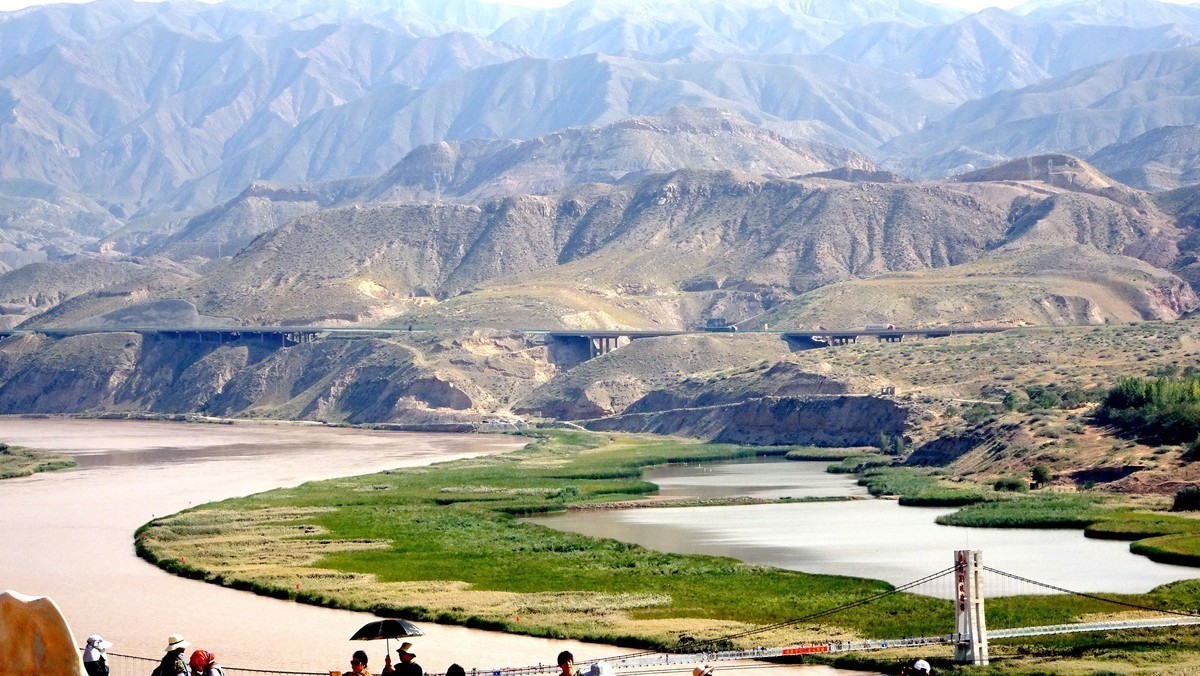
Guyuan's strategic location at a mountain pass has defined its history. During the Qin and Han dynasties, it was a key military outpost guarding the frontier. The Great Wall was extended through this region, and garrison towns were established to protect the Silk Road trade routes from nomadic incursions.
The Xumi Mountain Grottoes were begun during the Northern Wei Dynasty (386-534 AD) and expanded over subsequent centuries. They represent one of the earliest and most significant Buddhist cave temple complexes in China, predating the more famous Longmen Grottoes in Luoyang.
During the Ming Dynasty, Guyuan's fortifications were strengthened, and it became one of the nine major military garrisons of the northern frontier. This military heritage is still visible in the city's layout and surviving sections of the ancient wall.
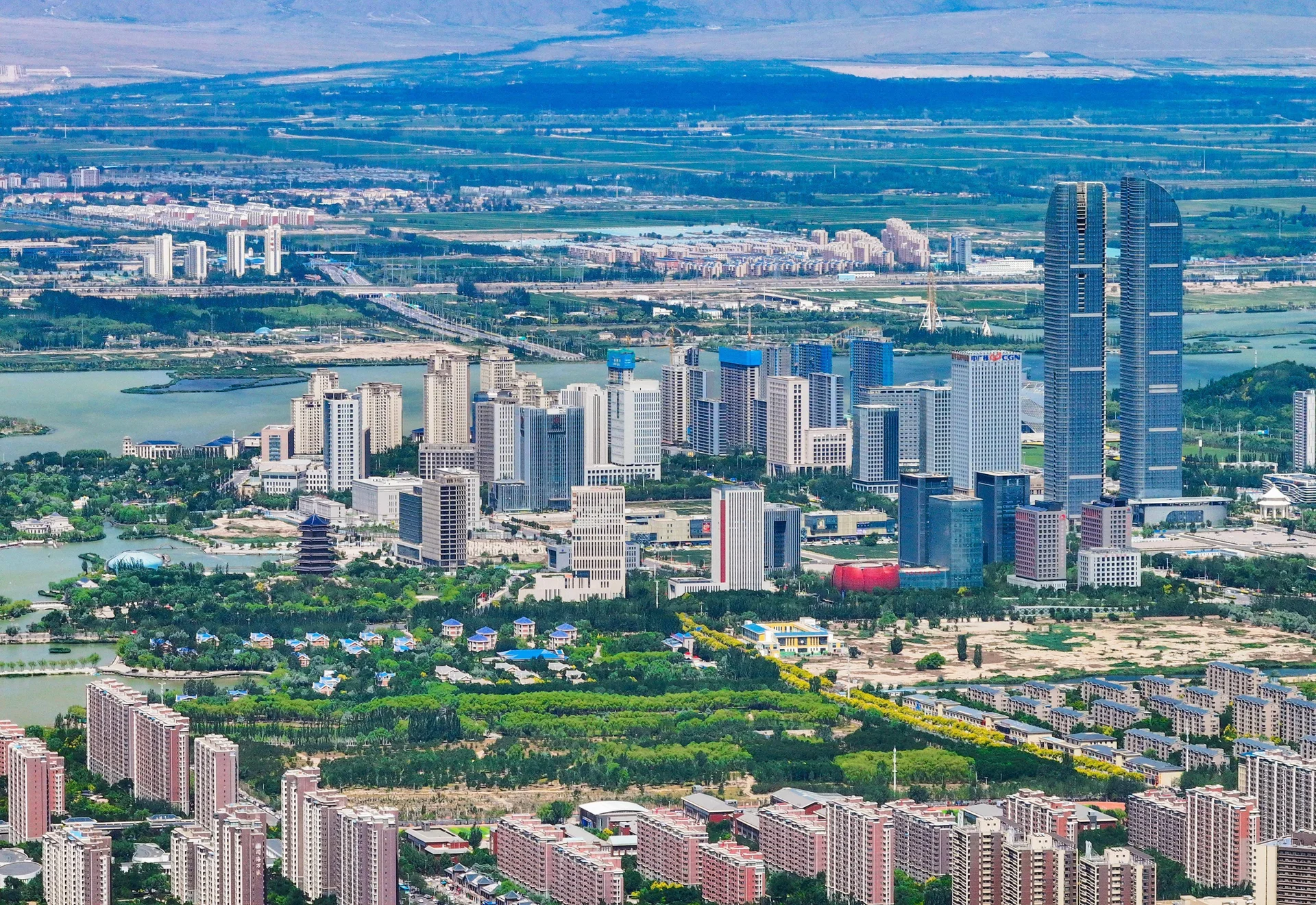
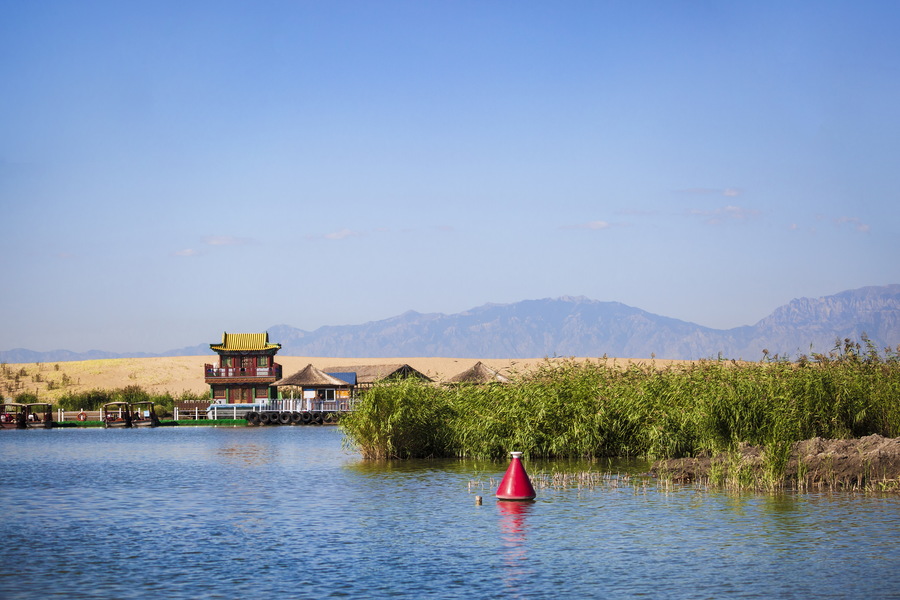
In modern times, Guyuan has developed as an agricultural and transportation hub for southern Ningxia. The city has invested in tourism infrastructure around its cultural and natural heritage sites, recognizing their potential as economic drivers.