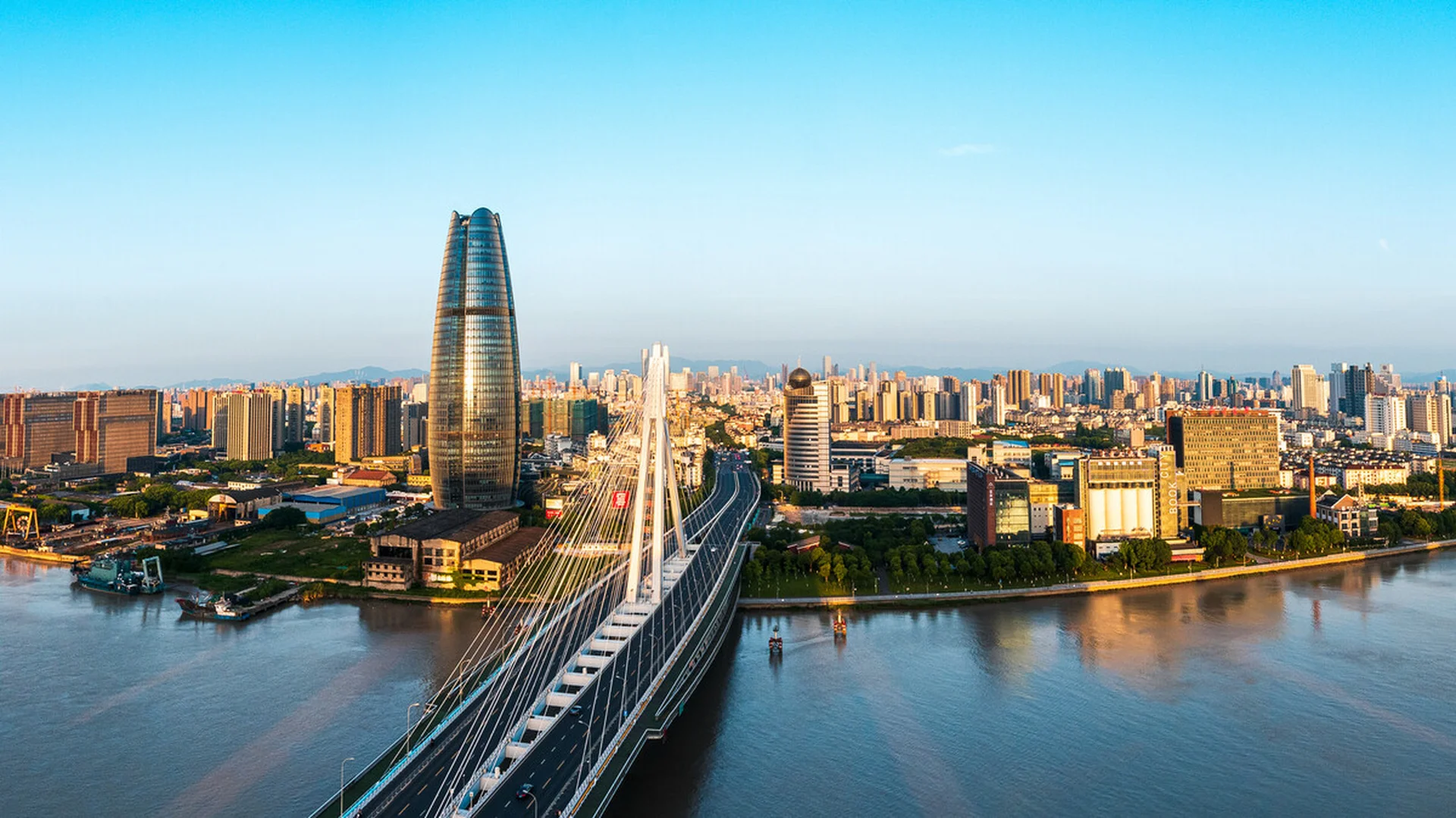
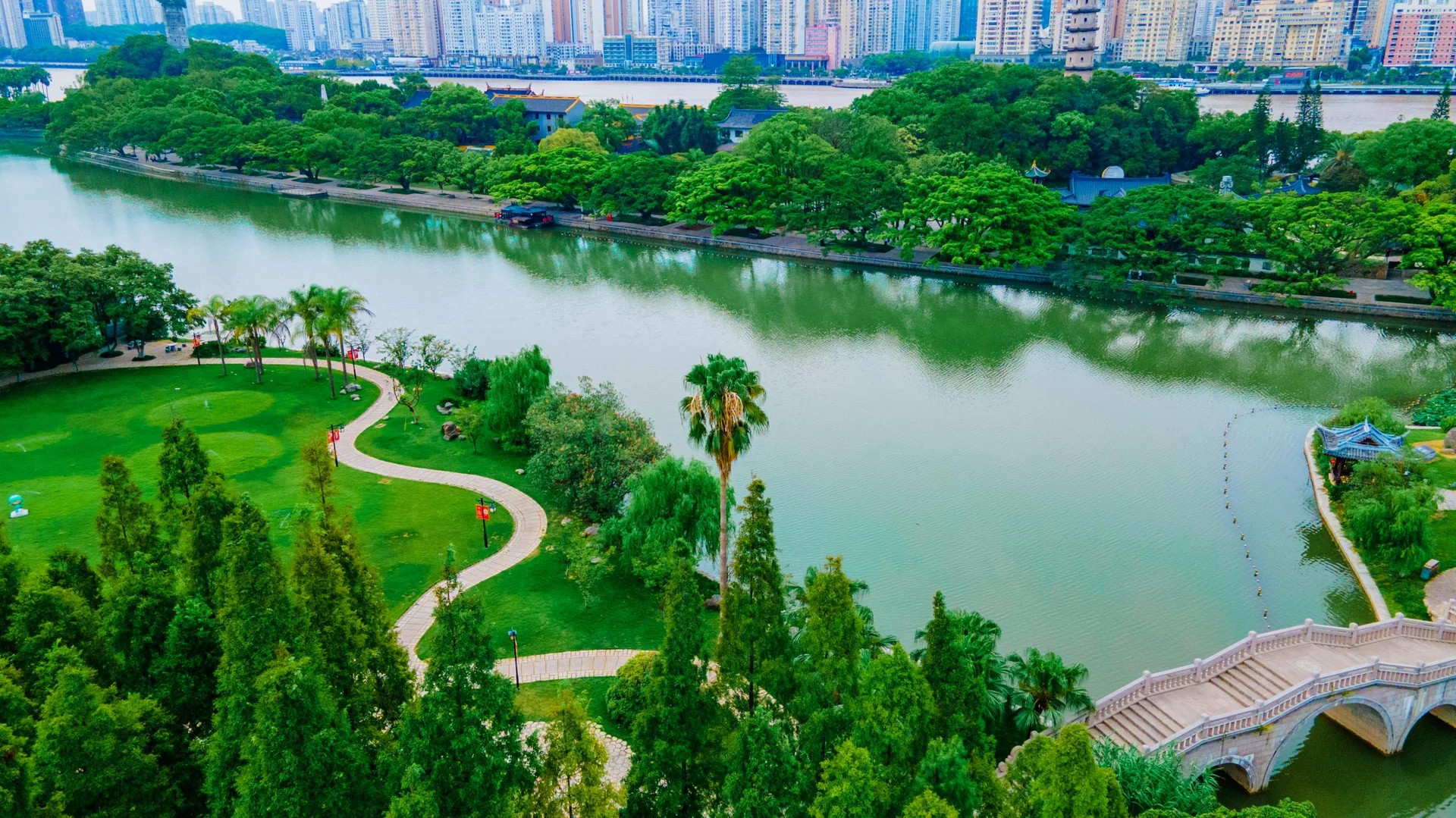
Quzhou city skyline and landmarks (衢州) - Travel China Guide

Quzhou Travel Guide

A historic city in western Zhejiang known for the "Root Palace" at Genfo Mountain, the ancient Nanzong Confucian Temple, and the dramatic Jianglang Mountain peaks.

About

Quzhou, situated at the western edge of Zhejiang Province where it meets Fujian, Jiangxi, and Anhui, has been a strategic crossroads for over 1,800 years. Its name means "Highway Prefecture," reflecting its historical role as a transportation hub connecting China's eastern and southern regions.

The city's most extraordinary attraction is Genfo Mountain, a sprawling cultural park that houses the world's largest collection of root carving art. Thousands of intricate sculptures, including massive Buddha figures carved from single tree roots, are displayed in beautifully landscaped gardens.

Quzhou is also home to one of China's most significant Confucian heritage sites — the Nanzong Confucian Temple. When the Jin dynasty invaded the north in the 12th century, Confucius' descendants fled south and established this temple, creating a southern branch of Confucian orthodoxy that continues to this day.

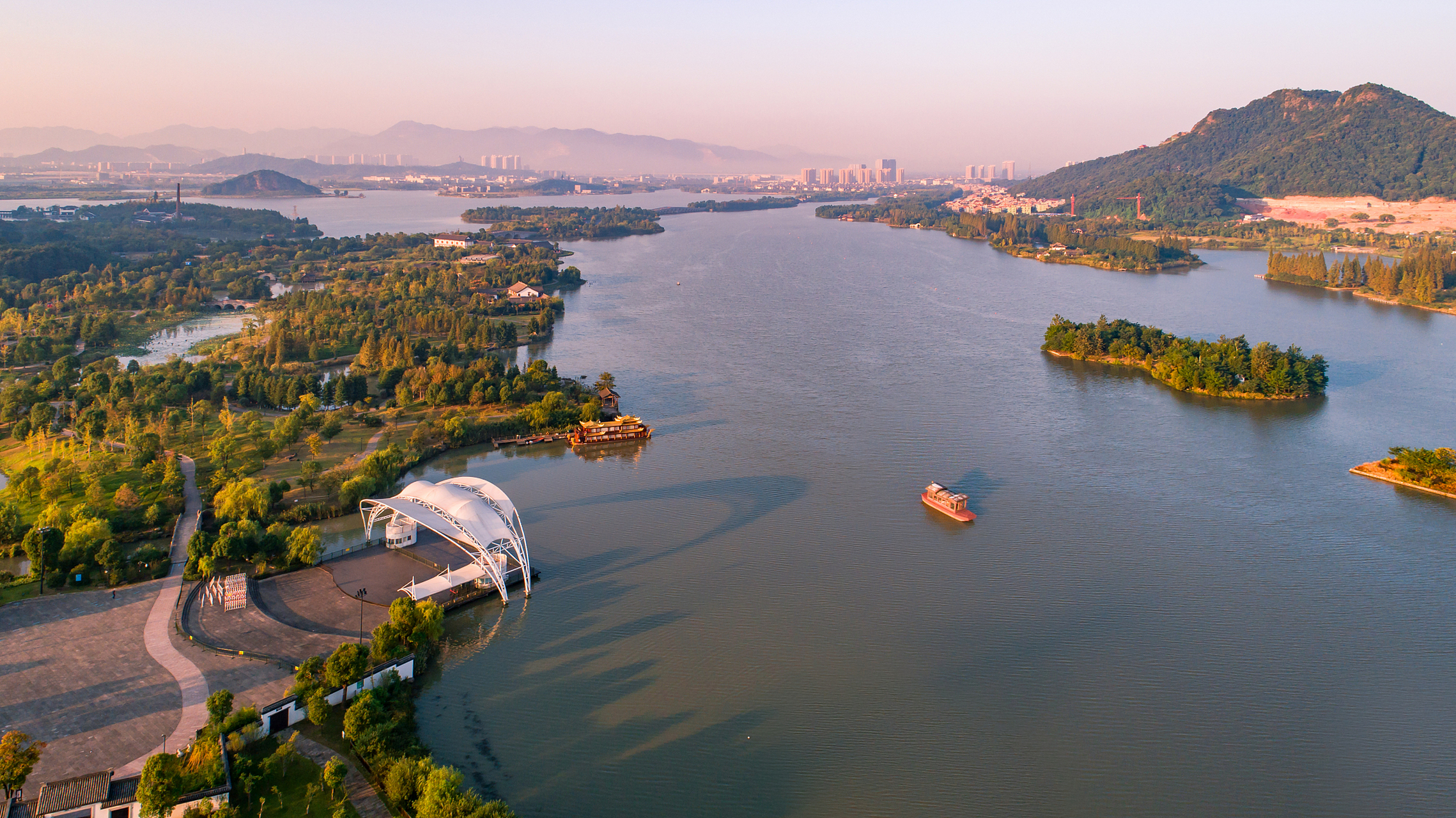
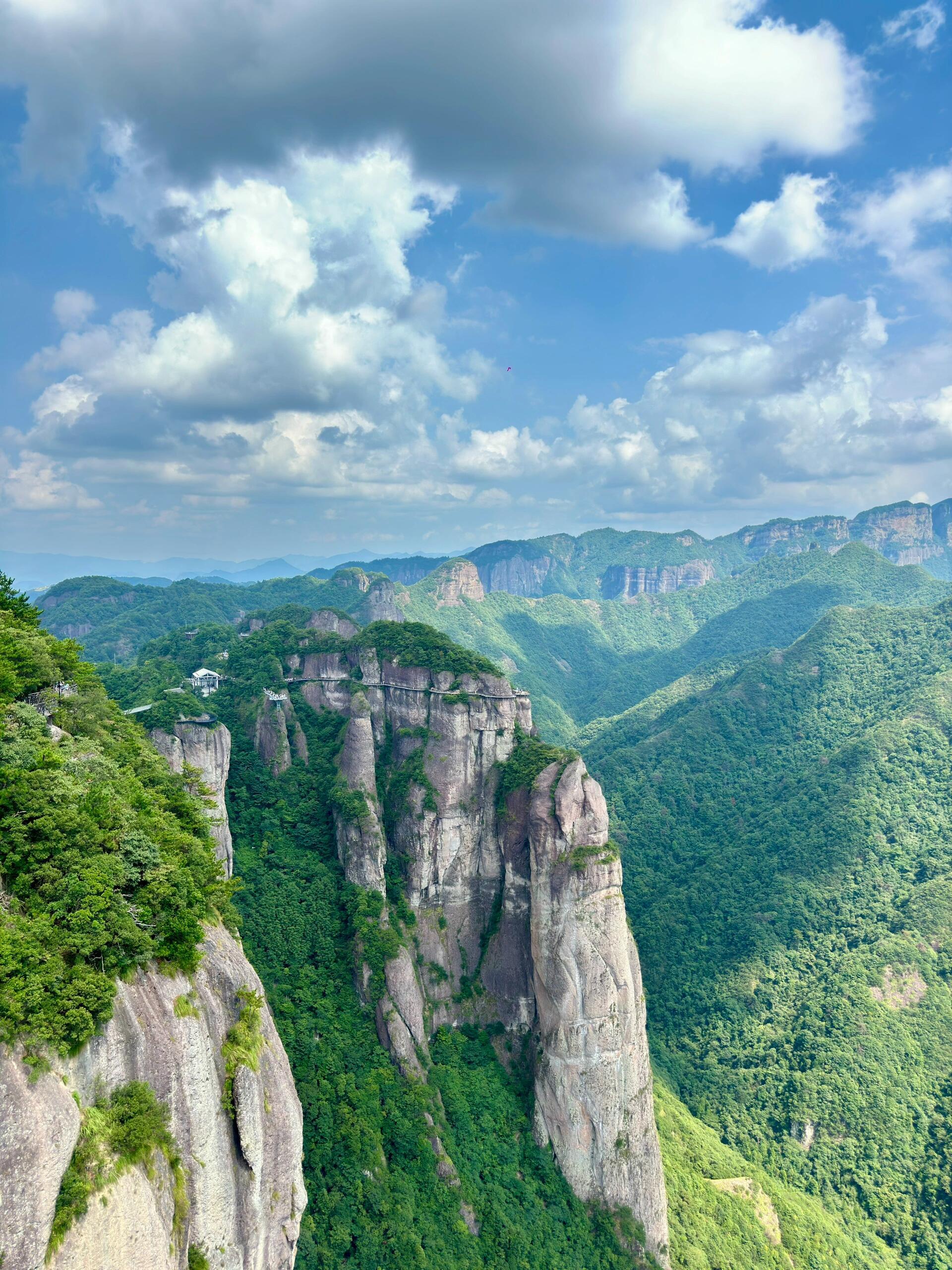
The natural landscape around Quzhou is spectacular. Jianglang Mountain, a UNESCO Global Geopark, rises in three dramatic stone pillars, while the mysterious Longyou Grottoes — ancient man-made underground caves — continue to puzzle archaeologists and visitors alike.

History & Development

Quzhou was established as a prefecture during the Eastern Han dynasty (25-220 AD) and has been an important administrative and transportation center ever since. Its strategic location at the crossroads of four provinces made it a vital hub for trade and military movements.

The most significant event in Quzhou's cultural history was the southward migration of Confucius' descendants during the Southern Song dynasty (1127-1279). When the Jin dynasty captured northern China, the 48th-generation descendant of Confucius, Kong Duanyou, moved south with the imperial court and settled in Quzhou. The Nanzong Confucian Temple was established, creating a second center of Confucian worship and learning.

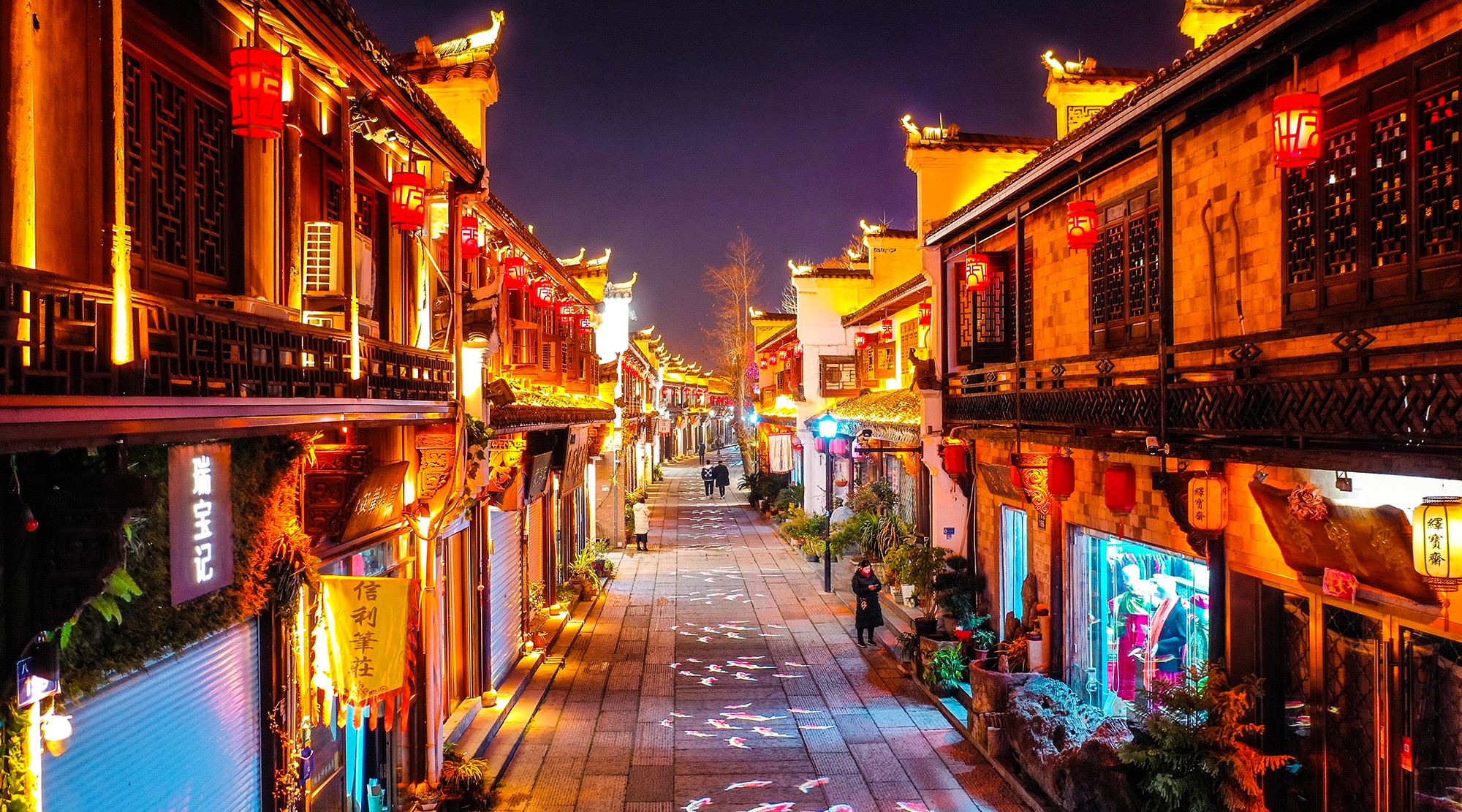
During the Ming and Qing dynasties, Quzhou flourished as a commercial center. The ancient town of Nianbadu, located at a strategic mountain pass, became a thriving trading post where merchants from four provinces gathered.

The Longyou Grottoes, discovered only in 1992, added a new chapter to Quzhou's history. The origin and purpose of these precisely carved underground chambers, dating back over 2,000 years, remain one of China's great archaeological mysteries.

Economy & Industries

Quzhou's economy has undergone significant transformation in recent decades. The chemical industry is the city's largest industrial sector, with Juhua Group, one of China's largest chemical companies, headquartered here. The fluorine chemical industry is particularly well-developed, earning Quzhou the nickname "China Fluorine Capital."

Tourism has become increasingly important to the local economy. Genfo Mountain, Jianglang Mountain, and the Nanzong Confucian Temple attract millions of visitors annually. The city has invested heavily in tourism infrastructure, including hotels, transportation, and visitor services.

Agriculture remains significant, particularly specialty crops. Changshan pomelo and Kaihua tea are well-known agricultural products. The mountainous terrain is also suitable for bamboo cultivation, and Quzhou is a major producer of bamboo products.

The city is actively developing its high-tech sector, with industrial parks focusing on new materials, advanced manufacturing, and clean energy technologies. Quzhou's location at the junction of several provinces gives it logistical advantages for regional trade.
Top Attractions

🏛️ Landmark

Genfo Mountain

A breathtaking cultural park dedicated to root carving art, home to the world's largest collection of root and wood carvings. Over 10,000 exquisite pieces are displayed in traditional Chinese garden settings, including massive Buddha statues carved from single tree roots. The complex combines natural beauty, Buddhist art, and traditional architecture.

★★★★ 4.8
🕐 8:00 AM - 5:30 PM
🎫 120 yuan
⛩️ Temple

Nanzong Confucian Temple

One of only two Confucian family temples in China, the other being in Qufu, Shandong. Established during the Southern Song dynasty when Confucius' descendants fled southward. The temple complex features traditional architecture, ancient trees, and a serene courtyard atmosphere. It is the spiritual center of Confucianism in southern China.

★★★★ 4.7
🕐 8:00 AM - 5:00 PM
🎫 25 yuan
🏔️ Nature

Jianglang Mountain

A spectacular mountain featuring three towering stone peaks known as the "Three Pieces of Rock" that rise dramatically from the landscape. A UNESCO Global Geopark, the mountain is famous for its sheer cliffs, deep gorges, and the thrilling "Plank Path" — a narrow walkway clinging to the cliff face. The views from the summit are breathtaking.

★★★★ 4.7
🕐 8:00 AM - 5:00 PM
🎫 100 yuan
🏛️ Landmark

Longyou Grottoes

An extraordinary complex of ancient man-made underground caves discovered in 1992. Carved from solid sandstone, the 24 caverns feature uniform walls, pillars, and ceilings with precise tool marks. Dating back over 2,000 years, their original purpose remains a mystery — theories range from ancient quarries to military bunkers.

★★★★ 4.5
🕐 8:00 AM - 5:00 PM
🎫 85 yuan
🏛️ Landmark

Nianbadu Ancient Town

A remarkably well-preserved ancient town at the border of Zhejiang, Fujian, and Jiangxi provinces. Built during the Tang dynasty, it served as a military outpost and trading post. The town features architecture from the Ming and Qing dynasties with influences from multiple regions, creating a unique fusion of styles.

★★★★ 4.5
🕐 8:00 AM - 5:30 PM
🎫 75 yuan
🏔️ Nature

Lanka Mountain

A scenic mountain famous in Chinese mythology as the setting of the legendary story of the "Lanke Chess Game" — a woodcutter who watched a game of chess between immortals and returned to find centuries had passed. The mountain features a natural stone arch, ancient temples, and a chess-themed cultural park.

★★★★ 4.3
🕐 8:00 AM - 5:00 PM
🎫 50 yuan

Food & Culture

Discover the culinary treasures of Quzhou, from traditional street food to imperial cuisine.

Best Time to Visit

Spring (April-May) and Autumn (September-October) offer the best weather for most destinations in China.

Continue Exploring China

Discover more cities, food guides, and travel inspiration.