Museum
Lu Xun Native Place
Birthplace and former residence of China's greatest modern writer Lu Xun, featuring his childhood home, Baicao Garden, and Sanwei Study.
8:30 AM - 5:00 PM
Free
A historic water town with 2,500 years of history, birthplace of Lu Xun, renowned for yellow wine and calligraphy culture.
Shaoxing is a historic water town in Zhejiang Province with over 2,500 years of history. The city covers 8,275 square kilometers and has a population of 5.44 million, making it one of the most culturally significant cities in the Yangtze River Delta region.
As the ancient capital of the Yue State, Shaoxing has been a center of Chinese civilization since the Spring and Autumn Period. The city is the birthplace of Lu Xun, China's greatest modern writer, whose stories vividly depict traditional Shaoxing life. Visitors can explore his former residence and the scenes from his famous works.
Shaoxing is renowned as the "City of Calligraphy" - it was here that Wang Xizhi wrote the "Lanting Xu" (Orchid Pavilion Preface) in 353 AD, considered the greatest running script work in Chinese history. The Orchid Pavilion remains a pilgrimage site for calligraphy enthusiasts.
The city is also famous for its yellow wine, one of China's oldest alcoholic beverages. Shaoxing yellow wine has been produced for over 2,500 years using traditional methods, and the clear waters of Jianhu Lake are essential to its unique flavor.
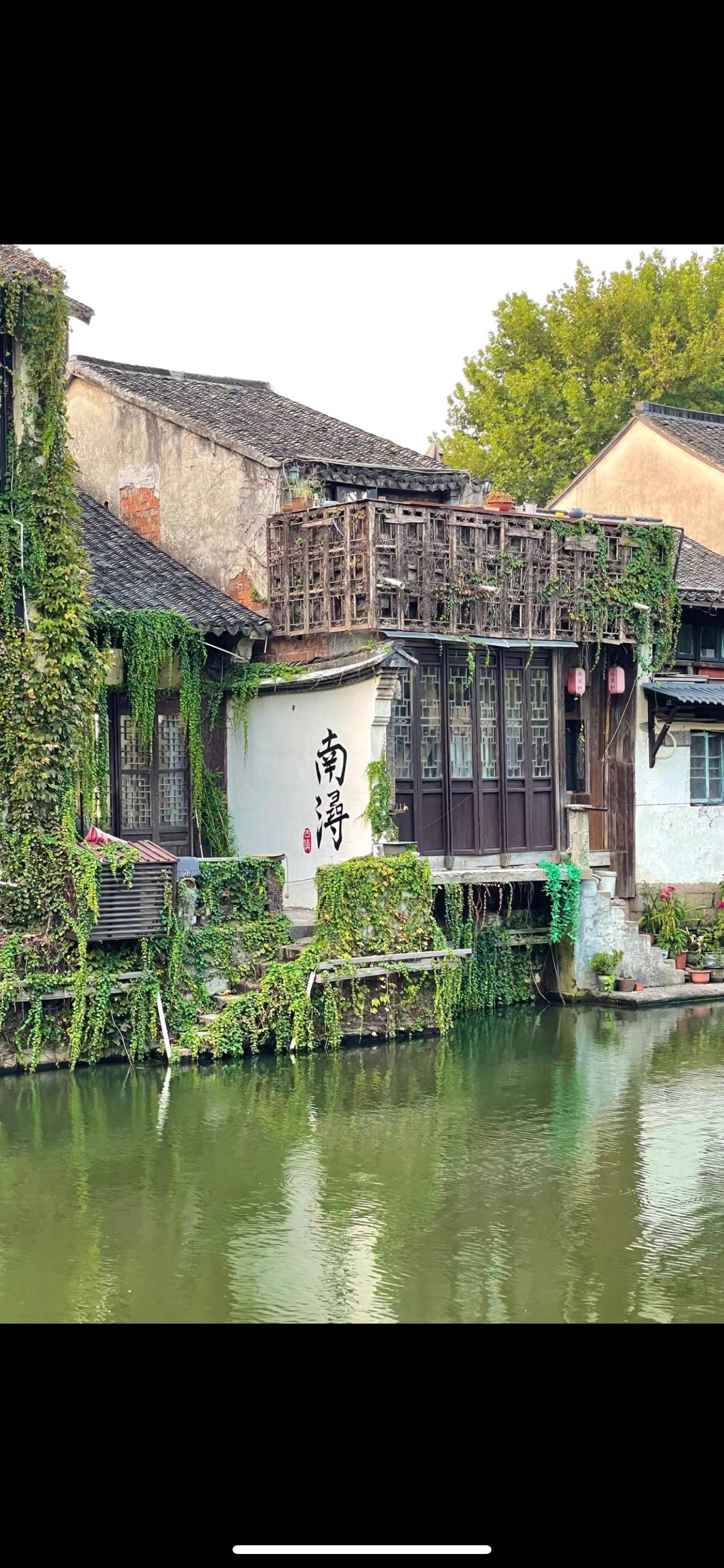
With its network of canals, ancient bridges, and traditional architecture, Shaoxing offers visitors an authentic glimpse into classic Jiangnan water town life.
Shaoxing's history spans approximately 9,000 years, beginning with the Neolithic Xiaohuangshan culture. The ancient capital of Yue State was established here in 490 BCE, marking over 2,500 years of urban history.
During the Spring and Autumn Period (770-476 BCE), the Yue State with Shaoxing as its center became one of the major powers. King Goujian of Yue famously endured hardships to eventually defeat the Wu State, a story that has become legendary in Chinese history.
The Eastern Jin Dynasty (317-420 CE) saw one of the most celebrated events in Chinese cultural history. In 353 CE, calligraphy master Wang Xizhi gathered 41 scholars at the Orchid Pavilion for the "Lanting Gathering," where he wrote the "Lanting Xu" - the supreme masterpiece of Chinese calligraphy.
During the Southern Song Dynasty (1127-1279), Emperor Gaozong renamed the city "Shaoxing," meaning "inheriting the great legacy and reviving the great cause." This name has been used ever since.
The city has produced numerous luminaries throughout history, including the philosopher Wang Yangming, the painter Xu Wei, and the modern writer Lu Xun. Their legacies continue to shape Shaoxing's cultural identity.
Today, Shaoxing preserves its rich heritage while developing as a modern city in the Yangtze River Delta economic zone.
Shaoxing's economy is built on manufacturing, traditional industries, and growing modern sectors. In 2025, the city's GDP reached 893 billion yuan. The city is known for its textile industry, particularly in Keqiao District, one of China's largest textile trading centers.
Traditional industries include Shaoxing yellow wine production, a craft dating back over 2,500 years. The city produces millions of liters annually, with brands like "Nv Er Hong" and "Gu Yue Long Shan" recognized nationwide. Pearl cultivation in Zhuji is another historic industry.
Manufacturing has evolved from traditional textiles to include high-end equipment, modern pharmaceuticals, new materials, and electronics. The city has attracted significant foreign investment and developed strong export capabilities.
The private sector drives much of Shaoxing's economic activity, with thousands of small and medium enterprises engaged in domestic and international trade. The "Shaoxing Bang" merchant tradition continues today.
Tourism contributes increasingly to the economy, with visitors attracted by historical sites, water town scenery, and cultural experiences. The city's convention facilities also attract business travelers.
Discover the culinary treasures of Shaoxing, from traditional street food to imperial cuisine.
Explore Shaoxing's rich literary and calligraphy heritage.
Relax in classic Jiangnan water town scenery.
Hangzhou Xiaoshan International Airport (50km away)
Connected to Hangzhou, Ningbo, Shanghai in under 2 hours
Line 1 connects major attractions within city
Comprehensive network covering urban and rural areas
Available throughout the city
Spring (April-May) and Autumn (September-October) offer the best weather for most destinations in China.
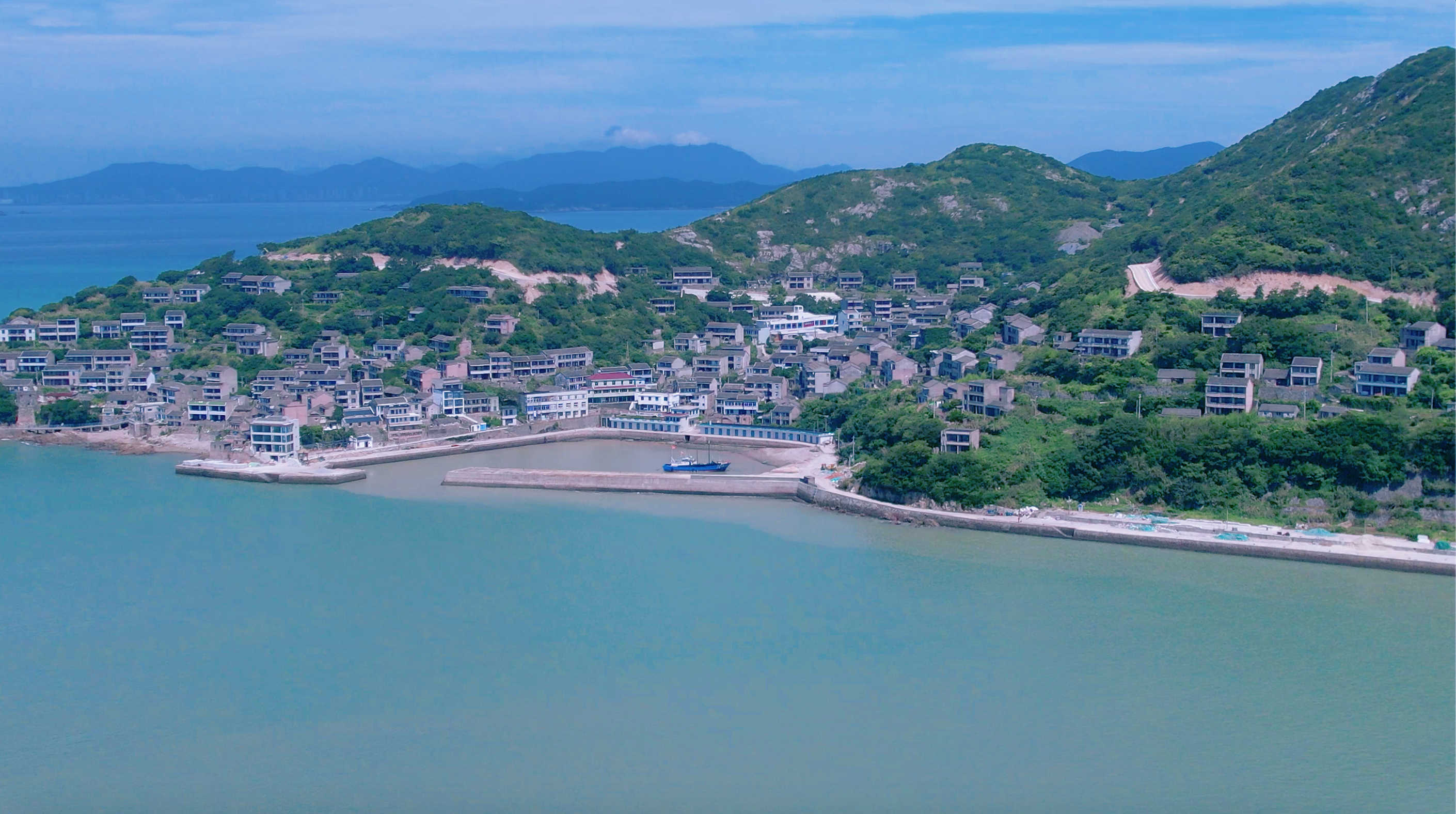
An archipelago city of over 1,390 islands, home to the sacre...
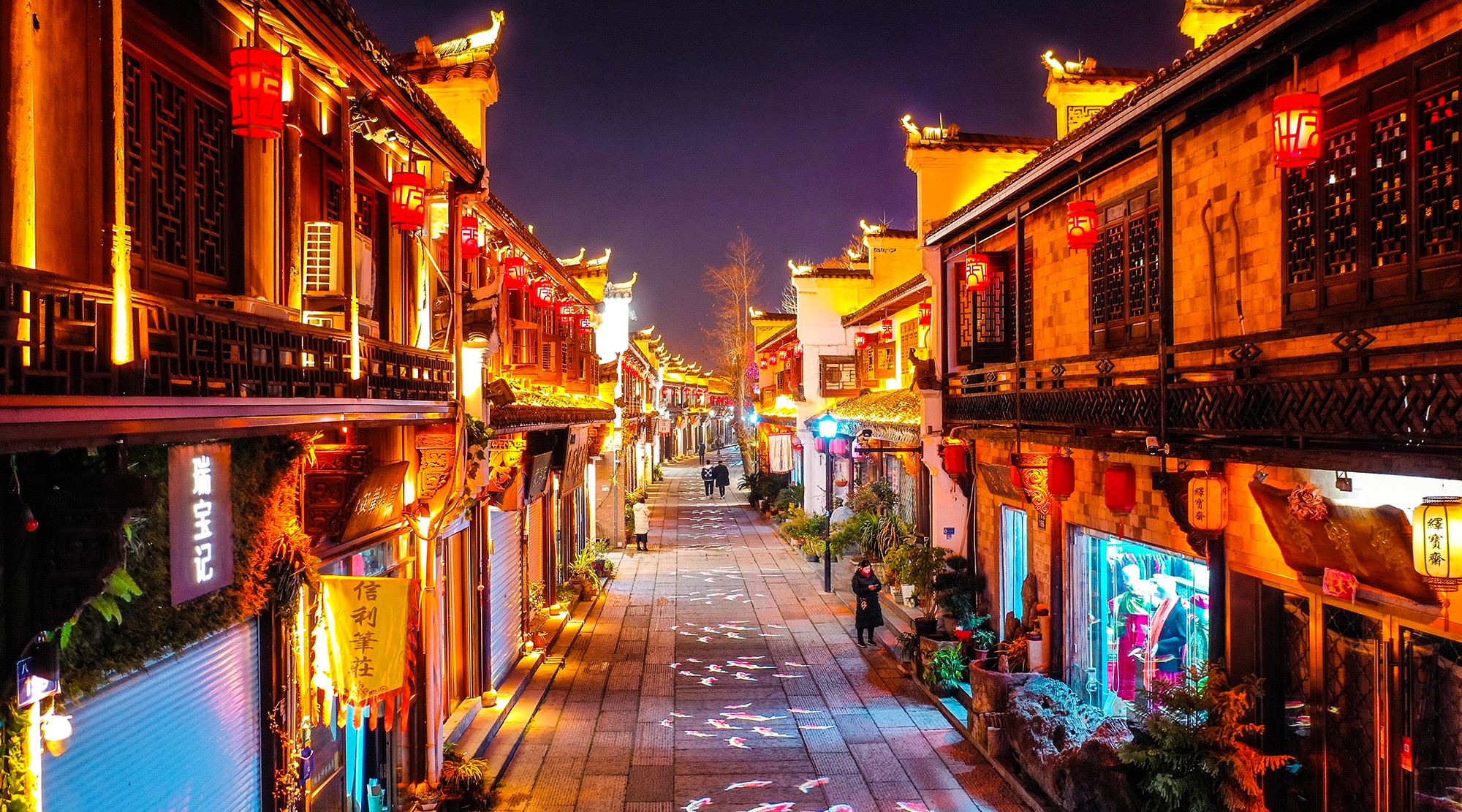
A city of global commerce and cinematic dreams, home to the ...
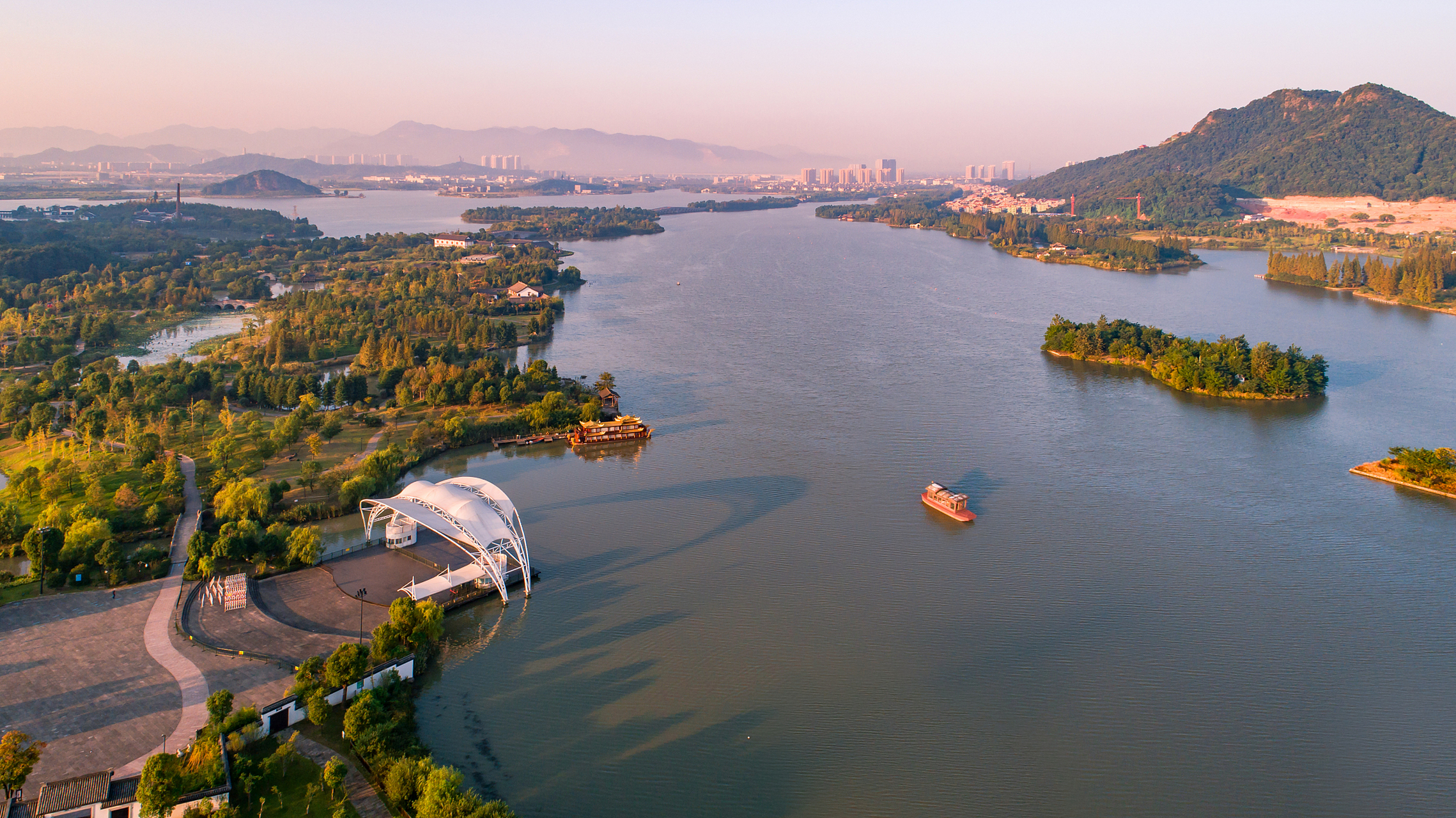
China's most beautiful city, where ancient West Lake meets m...
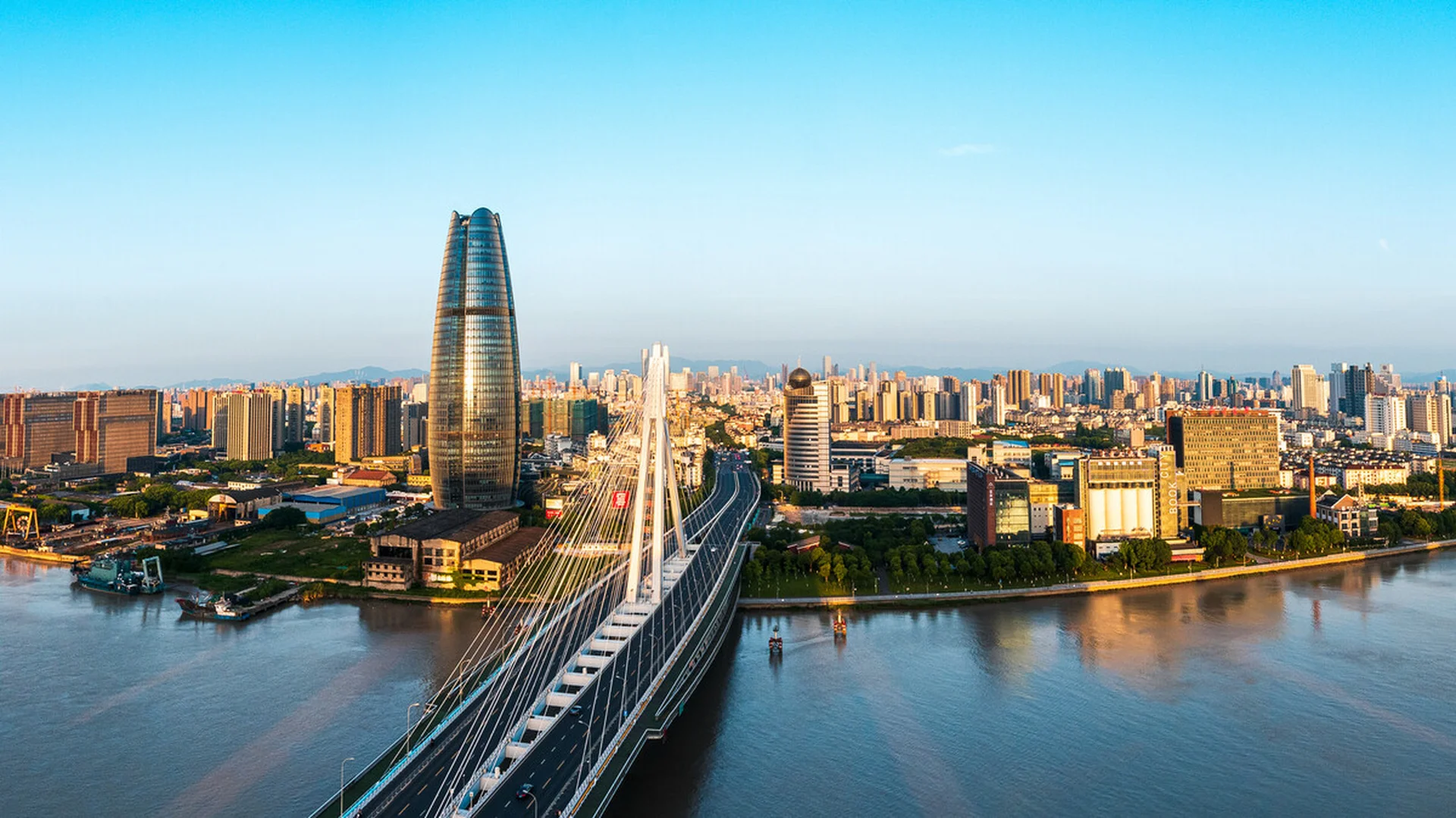
A historic port city with 7,000 years of civilization, home ...
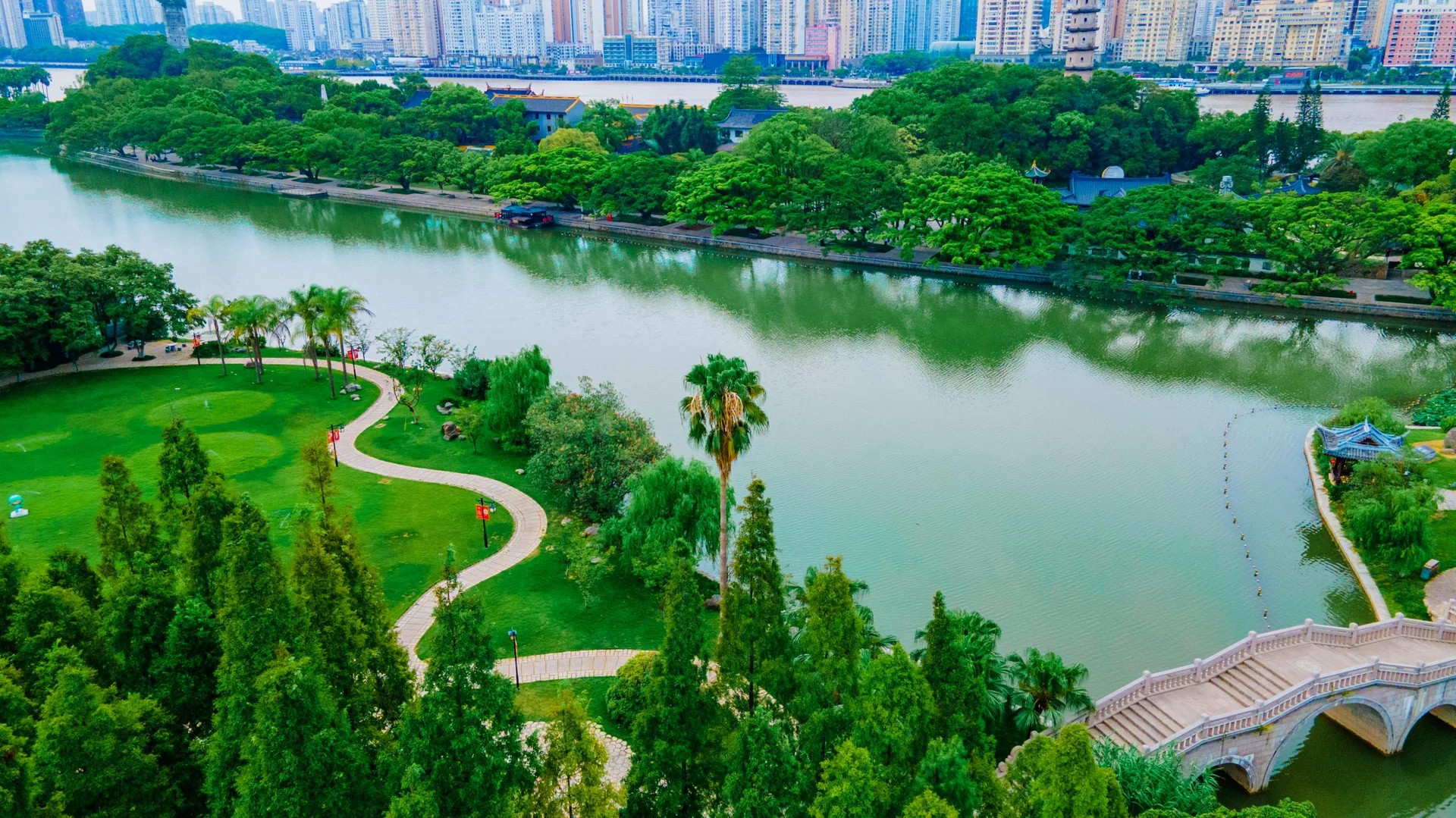
A dynamic coastal city known as the birthplace of China's pr...
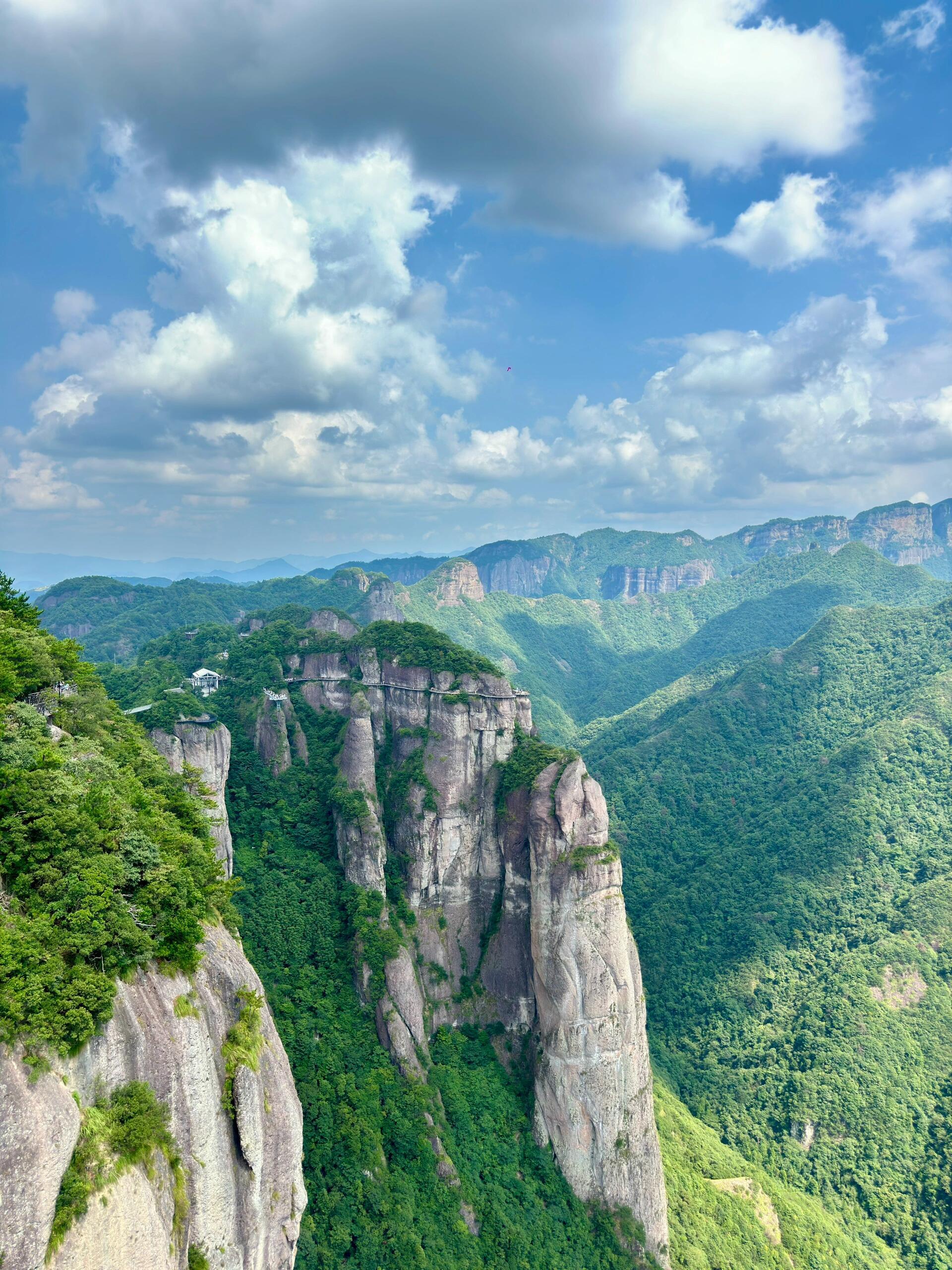
A coastal city known as the birthplace of private enterprise...
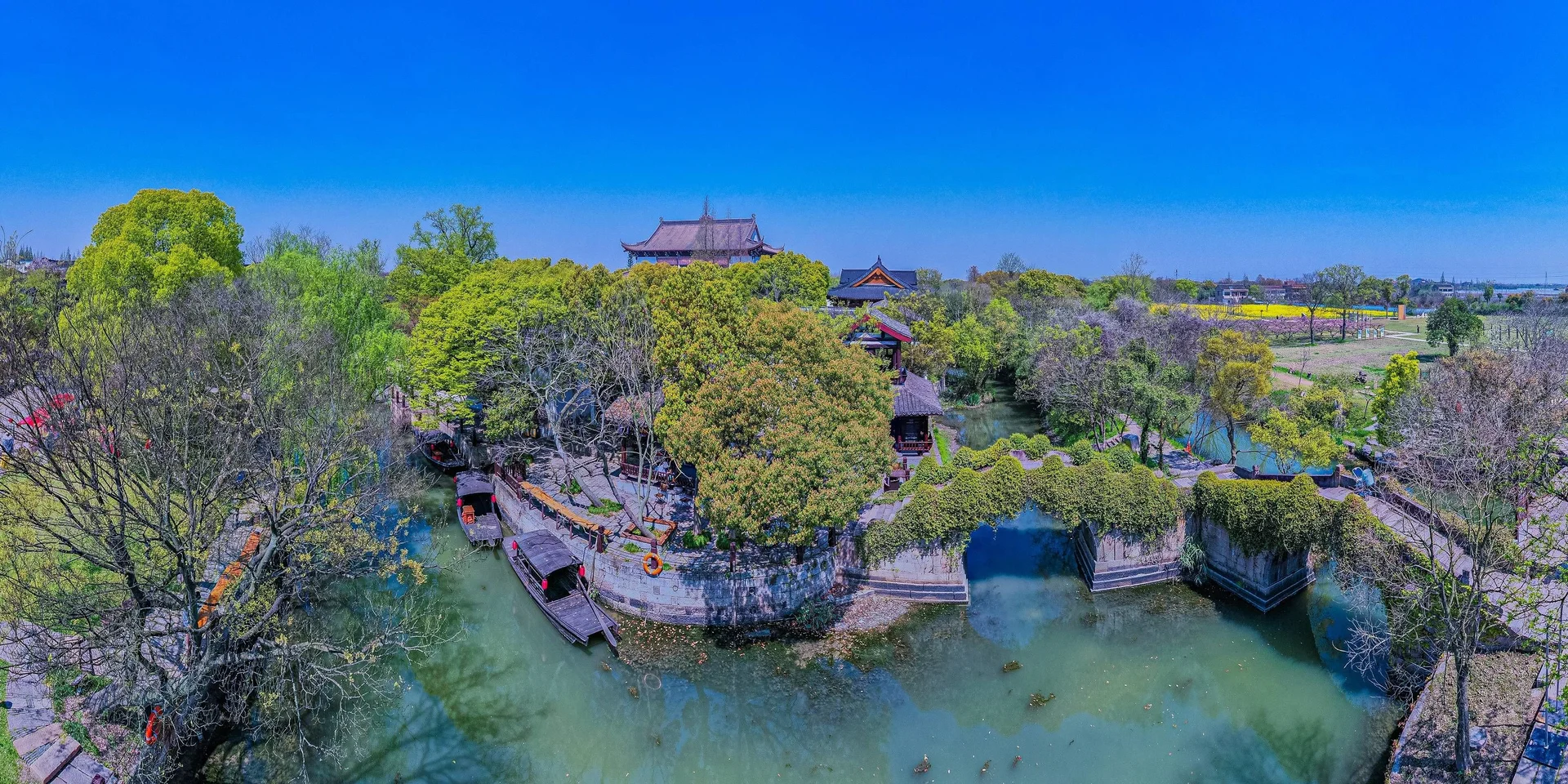
A historic water town in the Yangtze River Delta, famous for...
A historic city known as the "Capital of Silk," home to anci...
Discover more cities, food guides, and travel inspiration.