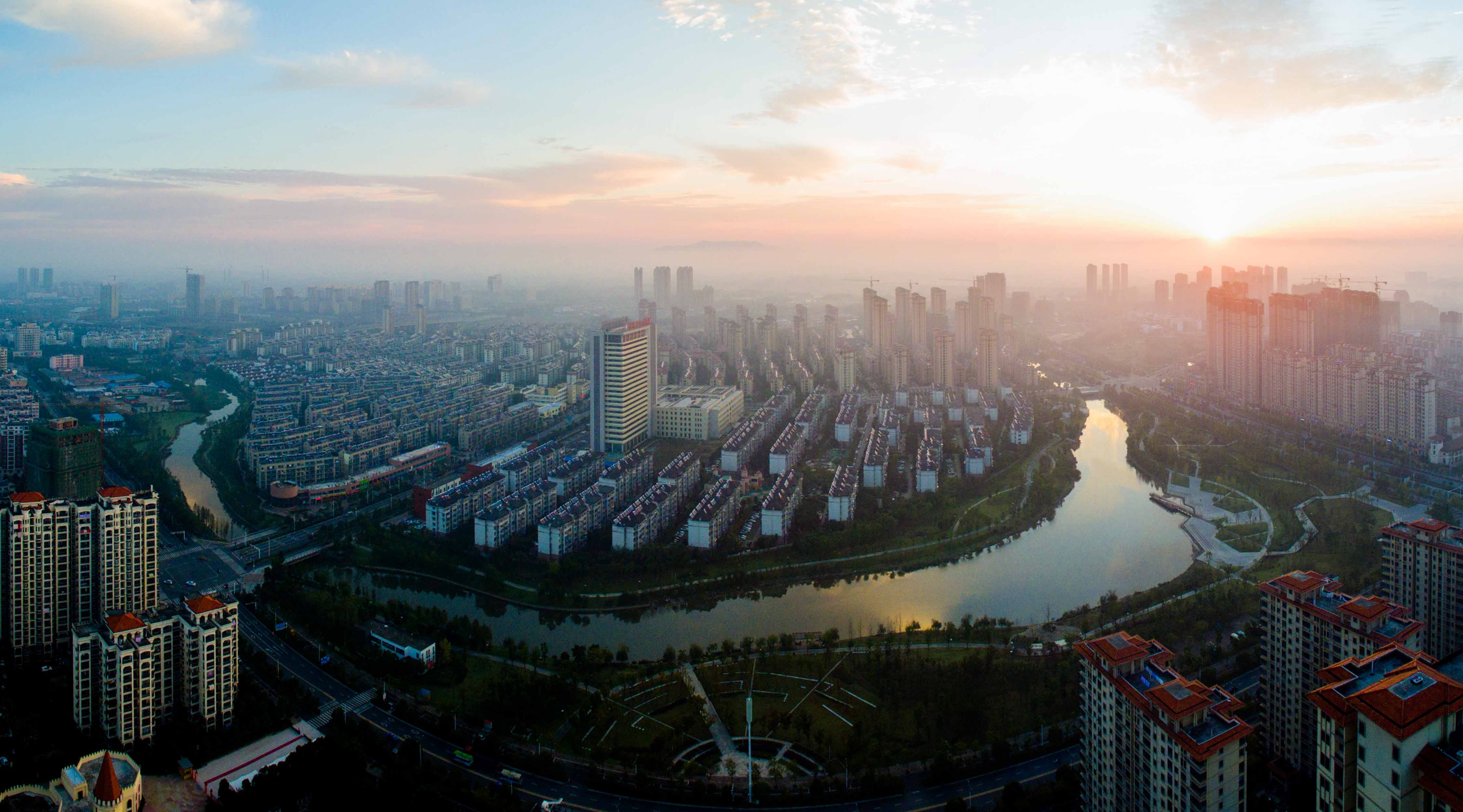
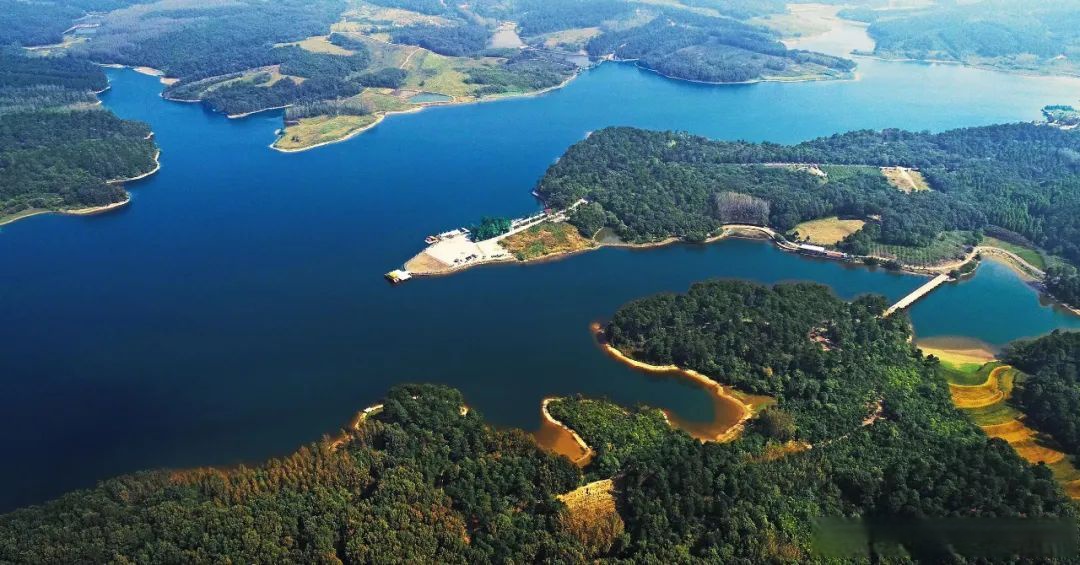
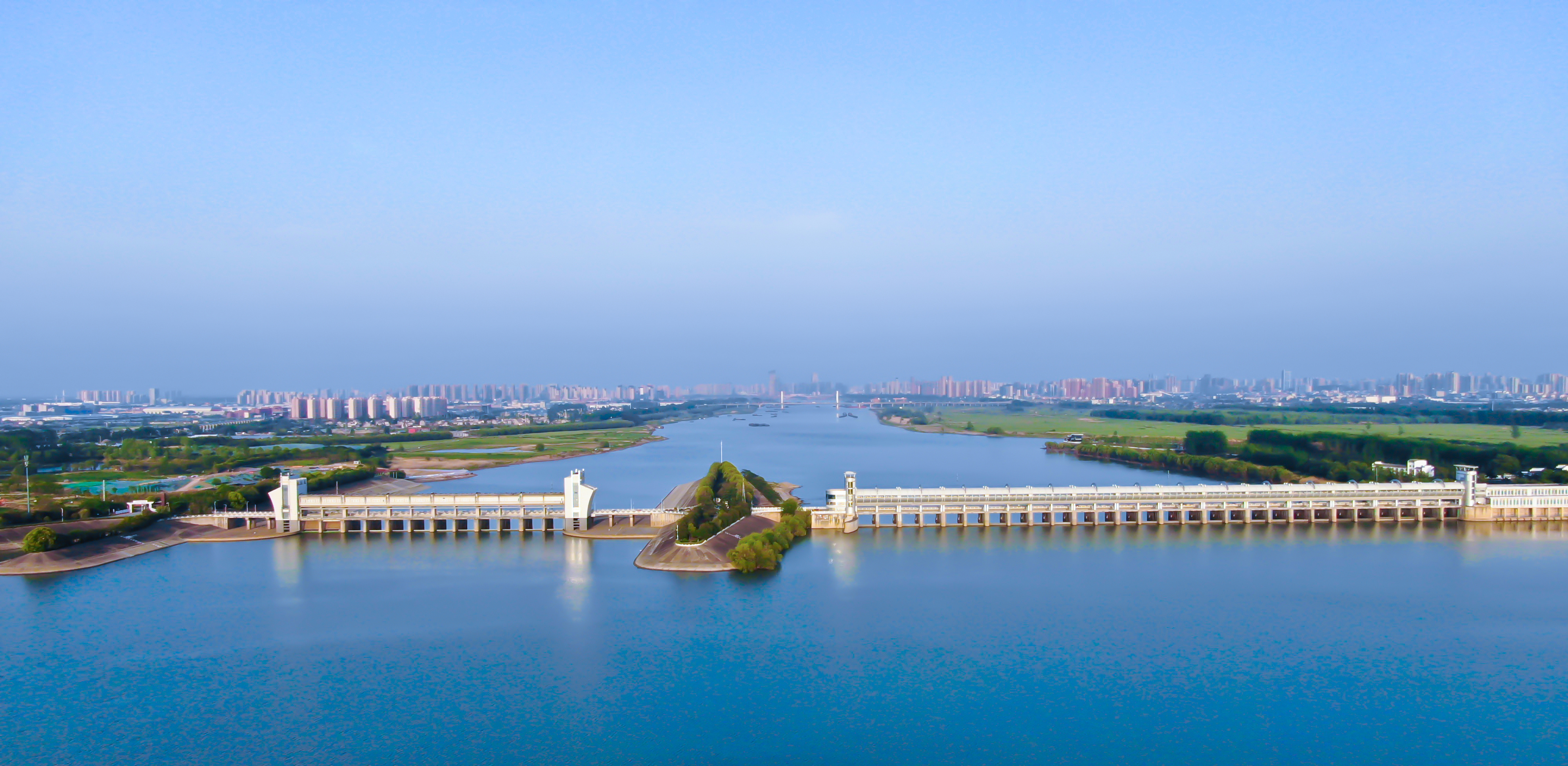
Maanshan city skyline and landmarks (马鞍山) - Travel China Guide

Maanshan Travel Guide

An industrial and cultural city on the south bank of the Yangtze River, famous for Caishiji — a scenic riverside cliff that inspired countless Tang dynasty poems, and the region's steel industry.

About

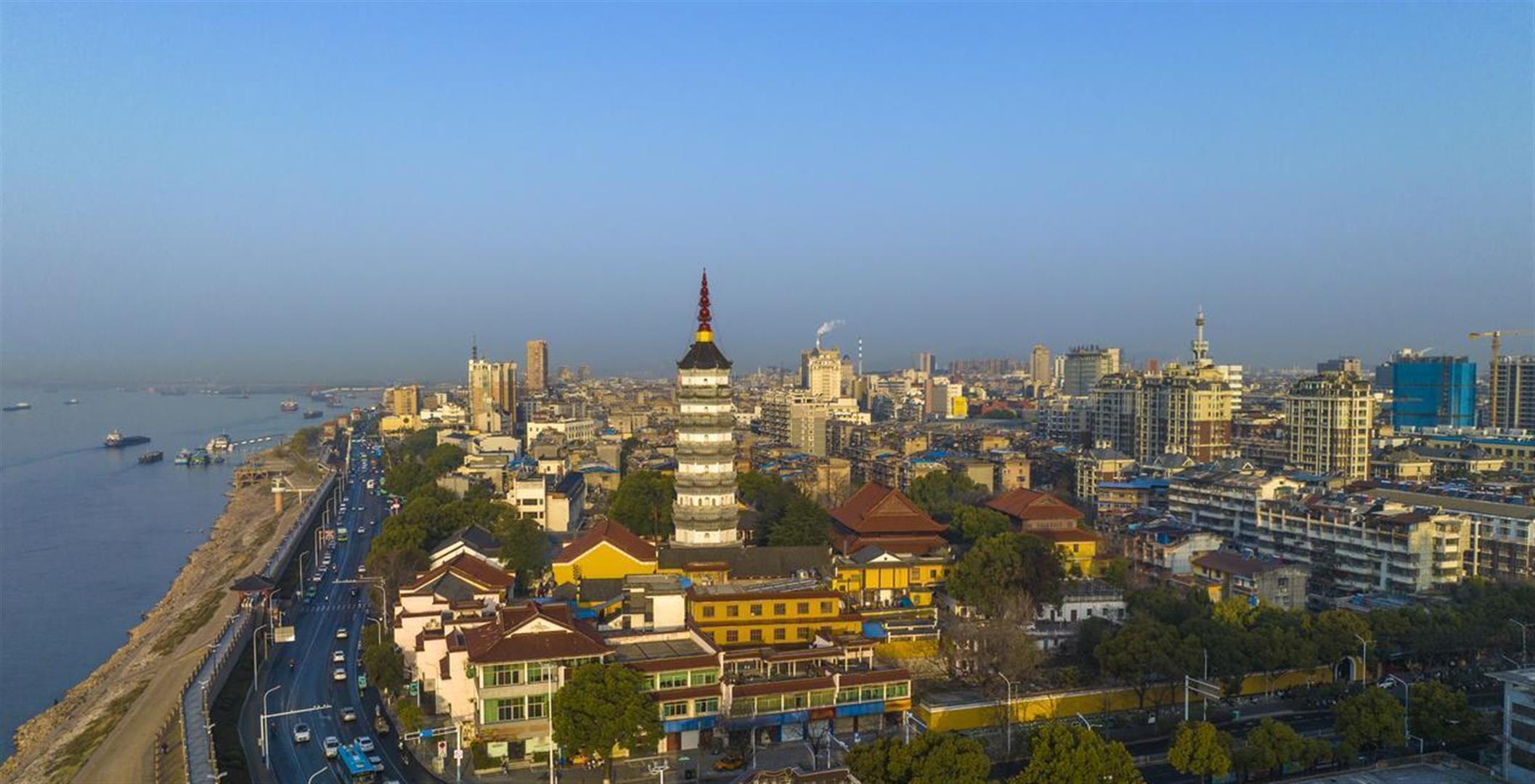
Maanshan, whose name literally means "Horse Saddle Mountain," is a city of striking contrasts. It is simultaneously a major steel industry hub and a culturally rich city steeped in classical Chinese poetry and history, all set against the beautiful backdrop of the Yangtze River.

The city's crown jewel is Caishiji, one of the "Three Great Rocks" along the Yangtze River. This sheer cliff rising from the riverbank has been a mecca for poets and artists for over a millennium. The Tang dynasty's greatest poet, Li Bai (Li Po), visited Caishiji multiple times and wrote some of his most famous poems here. According to legend, he met his end trying to embrace the moon's reflection in the Yangtze from this very cliff — a poetic end for China's most beloved poet.

Maanshan's identity is inseparable from its steel industry. Maanshan Iron & Steel, founded in 1953, is one of China's largest steel producers and forms the backbone of the local economy. The sight of steel mills along the Yangtze River, with their towering smokestacks and glowing furnaces, creates an industrial landscape that is both gritty and magnificent.

Beyond steel and poetry, Maanshan offers natural beauty at Putang Scenic Area, historical intrigue at Zhu Ran's Three Kingdoms tomb, and literary pilgrimage sites at Baochan Mountain and the Li Bai Cultural Park. The city's location on the south bank of the Yangtze, just 45 kilometers from Nanjing, makes it an easy day trip from the provincial capital.

History & Development

Maanshan's history as a strategic river port dates back to the Three Kingdoms period (220-280 AD), when the area was part of the Eastern Wu kingdom. The Zhu Ran Tomb, discovered in 1984, provides archaeological evidence of the region's importance during this era.

The area's cultural golden age came during the Tang dynasty (618-907), when the great poet Li Bai (701-762) spent his final years in nearby Dangtu. His multiple visits to Caishiji and the poems he composed there established Maanshan as a literary pilgrimage site that continues to attract poetry lovers.

During the Song dynasty, the statesman and scholar Wang Anshi visited Baochan Mountain and wrote his famous essay "Record of Mount Baochan" (1054), which became a standard text in Chinese education for centuries.

Maanshan's modern history begins with the founding of the People's Republic. In 1953, Maanshan Iron & Steel was established as one of the first major steel projects of the new China. The city grew rapidly around the steel mill, transforming from a small market town into a major industrial city. The Maanshan municipal government was formally established in 1956.

In recent decades, Maanshan has worked to diversify its economy and restore its cultural heritage. The Caishiji scenic area has been extensively renovated, and the Li Bai Cultural Park developed, cementing the city's dual identity as both an industrial powerhouse and a cultural destination.

Economy & Industries

Maanshan's economy is dominated by the steel industry, but has been actively diversifying in recent years.

Maanshan Iron & Steel, now part of the China Baowu Steel Group, is the city's economic engine. With an annual steel production capacity of over 20 million tons, it produces a wide range of steel products including railway rails, automotive sheets, and construction steel. The steel industry directly and indirectly employs a significant portion of the city's workforce.

In response to environmental concerns and the need for economic sustainability, Maanshan has invested heavily in industrial transformation. The city is developing advanced manufacturing sectors including intelligent manufacturing equipment, new energy vehicles components, and high-end CNC machinery.

The Yangtze River location provides excellent logistics advantages. Maanshan Port is a significant river port handling bulk cargo, containers, and raw materials for the steel industry. The city is connected to the national highway and railway networks, with high-speed rail service to Nanjing and Shanghai.

Tourism is a growing sector, with Caishiji, the Li Bai Cultural Park, and Baochan Mountain as flagship attractions. The "Poetry on the Yangtze" cultural tourism brand has been developed to promote literary-themed travel experiences.

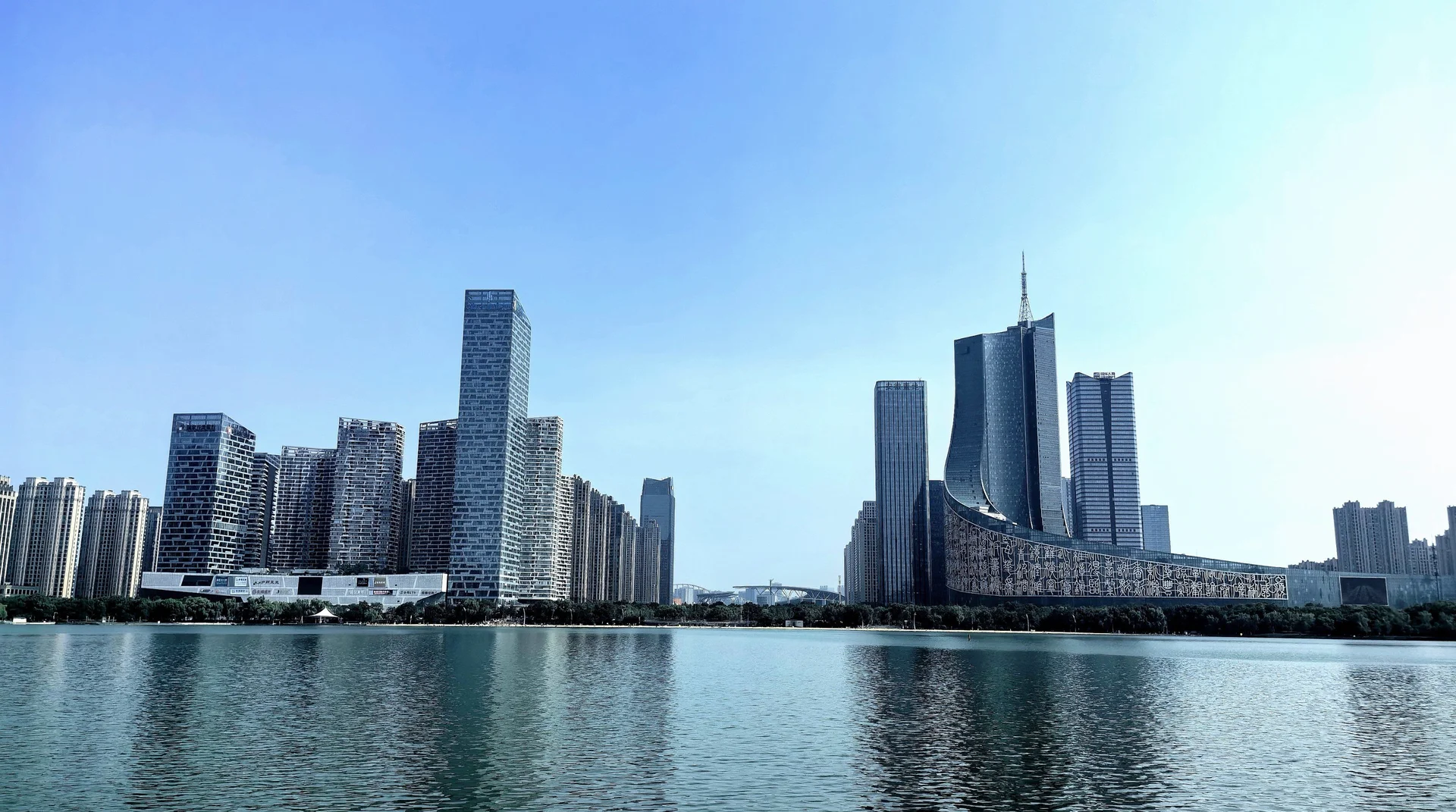
Top Attractions

🏛️ Landmark

Caishiji

One of the "Three Great Rocks" of the Yangtze River, Caishiji is a dramatic sheer cliff rising 50 meters directly from the riverbank. For over a thousand years, this scenic spot has inspired poets, painters, and travelers. The site features the historic Taibai Pavilion, dedicated to the Tang dynasty poet Li Bai, who visited and wrote about Caishiji multiple times. Wooden walkways cling to the cliff face, offering breathtaking views of the Yangtze River flowing below. A suspension bridge connects the main cliff to a small island in the river.

★★★★ 4.8
🕐 8:00 AM - 5:30 PM
🎫 80 yuan
🏛️ Landmark

Li Bai Cultural Park

A cultural park dedicated to Li Bai (701-762), China's most celebrated poet of the Tang dynasty. Li Bai spent his final years in the Dangtu area of Maanshan and is said to have died here, trying to embrace the moon's reflection in the Yangtze River from Caishiji. The park features a museum with Li Bai's calligraphy, poetry manuscripts, and artifacts from the Tang dynasty. The centerpiece is the Poet's Tomb , where Li Bai was buried. Ancient cypress trees surround the peaceful grave site.

★★★★ 4.7
🕐 8:00 AM - 5:00 PM
🎫 30 yuan
🏔️ Nature

Baochan Mountain

A scenic mountain area in Hanshan County made famous by the Northern Song dynasty scholar Wang Anshi, who wrote a celebrated essay "Record of Mount Baochan" after visiting in 1054. The mountain features a limestone cave system, the Huayang Cave, with impressive stalactite formations. Wang Anshi's essay about his incomplete exploration of the cave has become a classic Chinese text about determination and the pursuit of knowledge.

★★★★ 4.4
🕐 8:00 AM - 5:00 PM
🎫 50 yuan
🏔️ Nature

Daqing Mountain

A scenic mountain in Dangtu County known for its connection to the Tang poet Li Bai, who is said to have written some of his finest poems while gazing at the mountain from a nearby pavilion. The mountain features sweeping views of the Yangtze River plain, ancient hiking trails, and a restored Tang-style pavilion at the summit. The area is covered in peach blossoms in early spring, creating a landscape that inspired Li Bai's famous poem "Drinking Alone Under the Moon."

★★★★ 4.3
🕐 Open all day
🎫 Free
🏔️ Nature

Putang Scenic Area

A picturesque rural scenic area on the outskirts of Maanshan, featuring bamboo forests, tea plantations, and traditional Anhui-style farmhouses. The area is crisscrossed with hiking and cycling trails that wind through valleys and past reservoirs. Putang is known for its "Four Wonders" — ancient bamboo groves, a thousand-year-old ginkgo tree, a Buddhist temple carved into a cliff, and a natural spring with year-round cool water.

★★★★ 4.2
🕐 Open all day
🎫 Free
🎭 Museum

Zhu Ran Tomb

The tomb of Zhu Ran (182-249), a prominent general of the Eastern Wu kingdom during the Three Kingdoms period. Discovered in 1984, the tomb is one of the most important Three Kingdoms archaeological finds in China. It contained over 140 burial artifacts including lacquerware, pottery, and wooden figurines. A museum on site displays the excavated treasures and tells the story of Zhu Ran's military career, including his role in the famous Battle of Ruxu.

★★★★ 4.3
🕐 8:30 AM - 5:00 PM
🎫 30 yuan

Food & Culture

Discover the culinary treasures of Maanshan, from traditional street food to imperial cuisine.

Best Time to Visit

Spring (April-May) and Autumn (September-October) offer the best weather for most destinations in China.

Continue Exploring China

Discover more cities, food guides, and travel inspiration.