Tourism centered on Mount Jiuhua is the primary economic driver of Chizhou. The mountain attracts over 3 million pilgrims and tourists annually, with peak seasons during Buddhist festivals and national holidays. The tourism industry supports a wide network of hotels, restaurants, souvenir shops, and transportation services throughout the region.
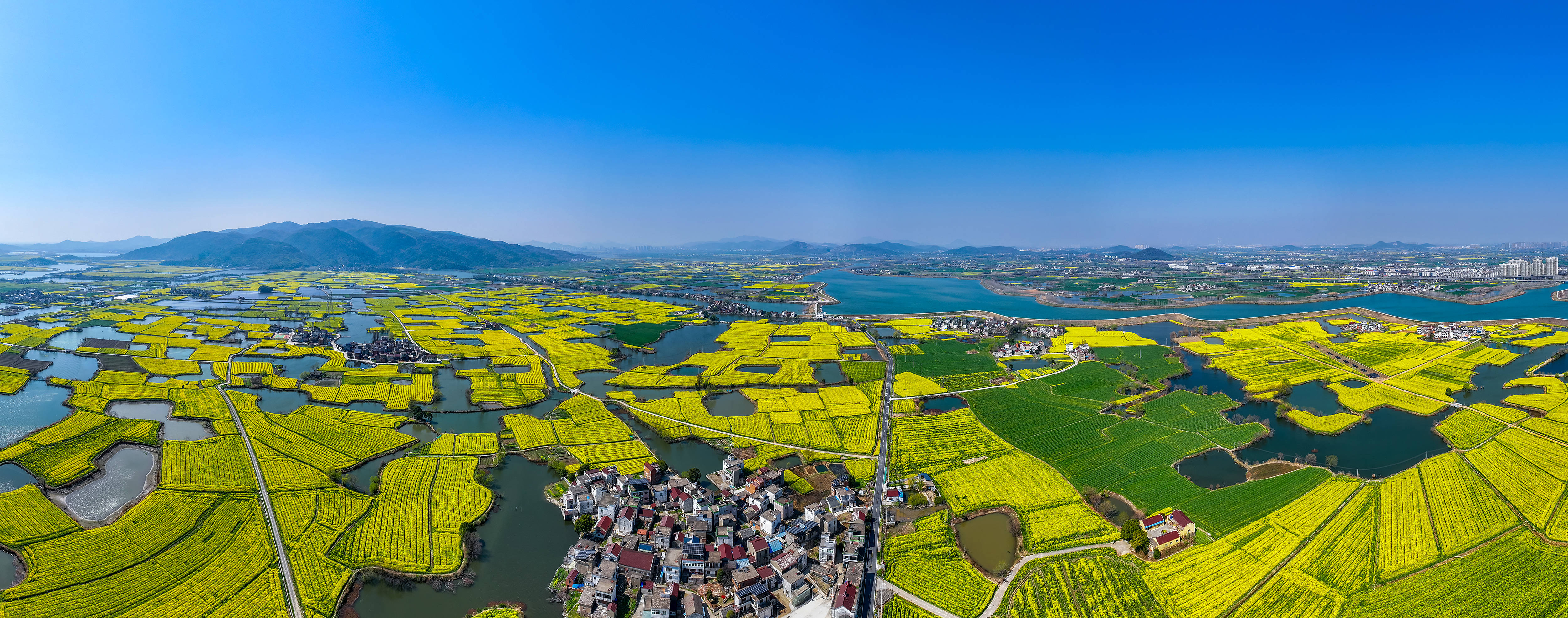
Agriculture remains an important sector. Chizhou produces high-quality green tea, particularly Jiuhua tea, which is grown on the mountain slopes. The region also cultivates rice, bamboo shoots, chestnuts, and medicinal herbs such as Huangjing (Polygonatum sibiricum).
Chizhou has significant mineral resources. The city is one of China's important producers of non-ferrous metals including lead, zinc, and copper. Mining and mineral processing contribute substantially to the local economy.
The manufacturing sector includes food processing, textile production, and building materials. The city is investing in tourism infrastructure improvements, including the development of health and wellness tourism centered on Jiuhua Mountain's Buddhist culture and the region's natural hot springs.