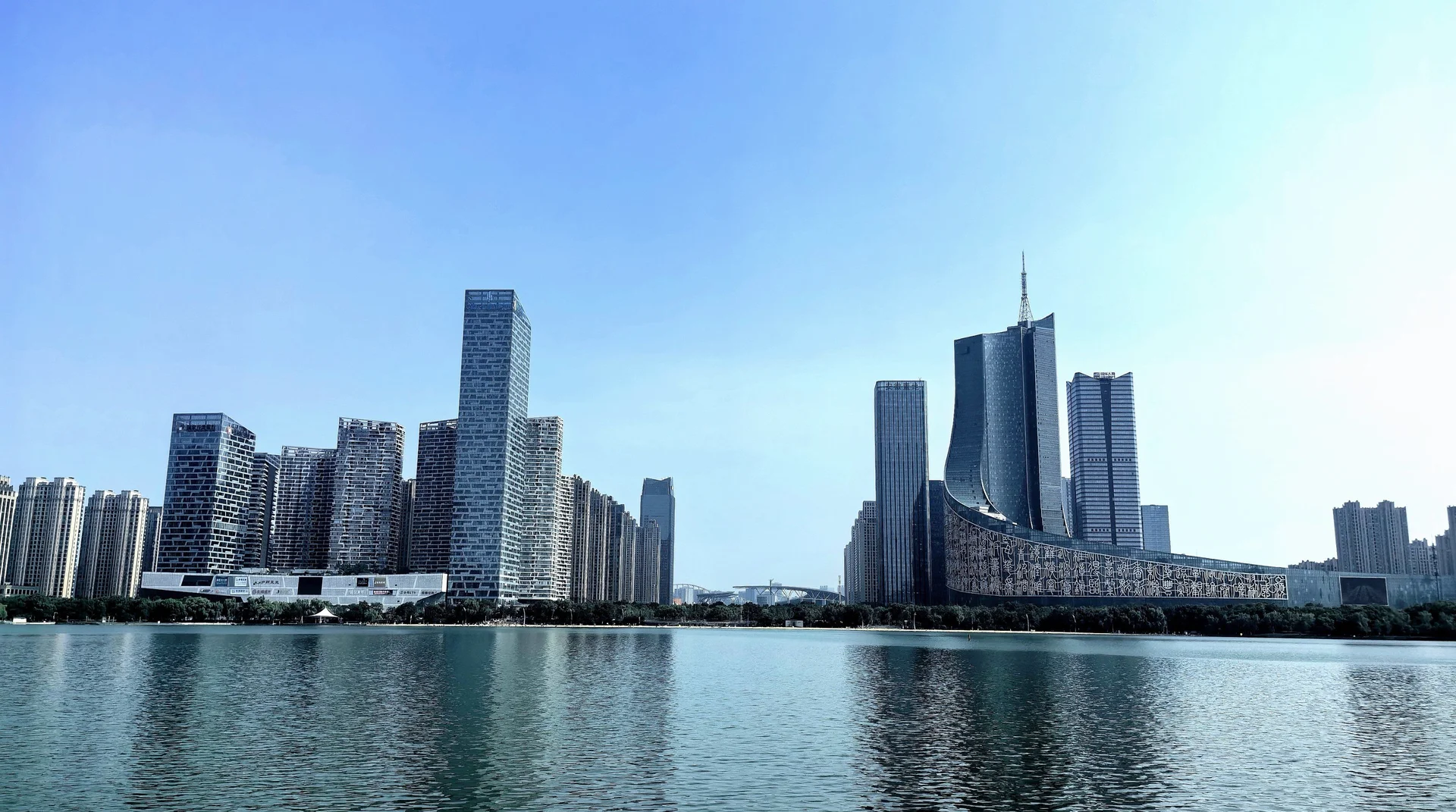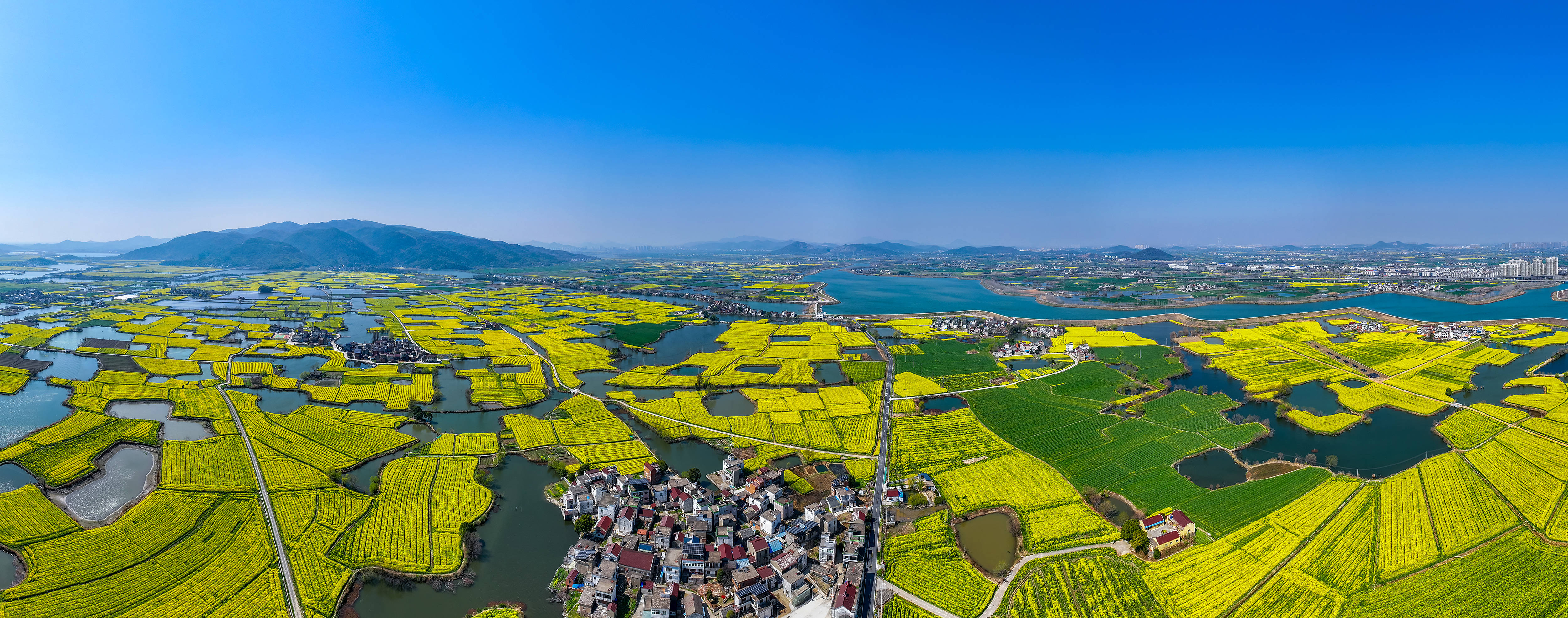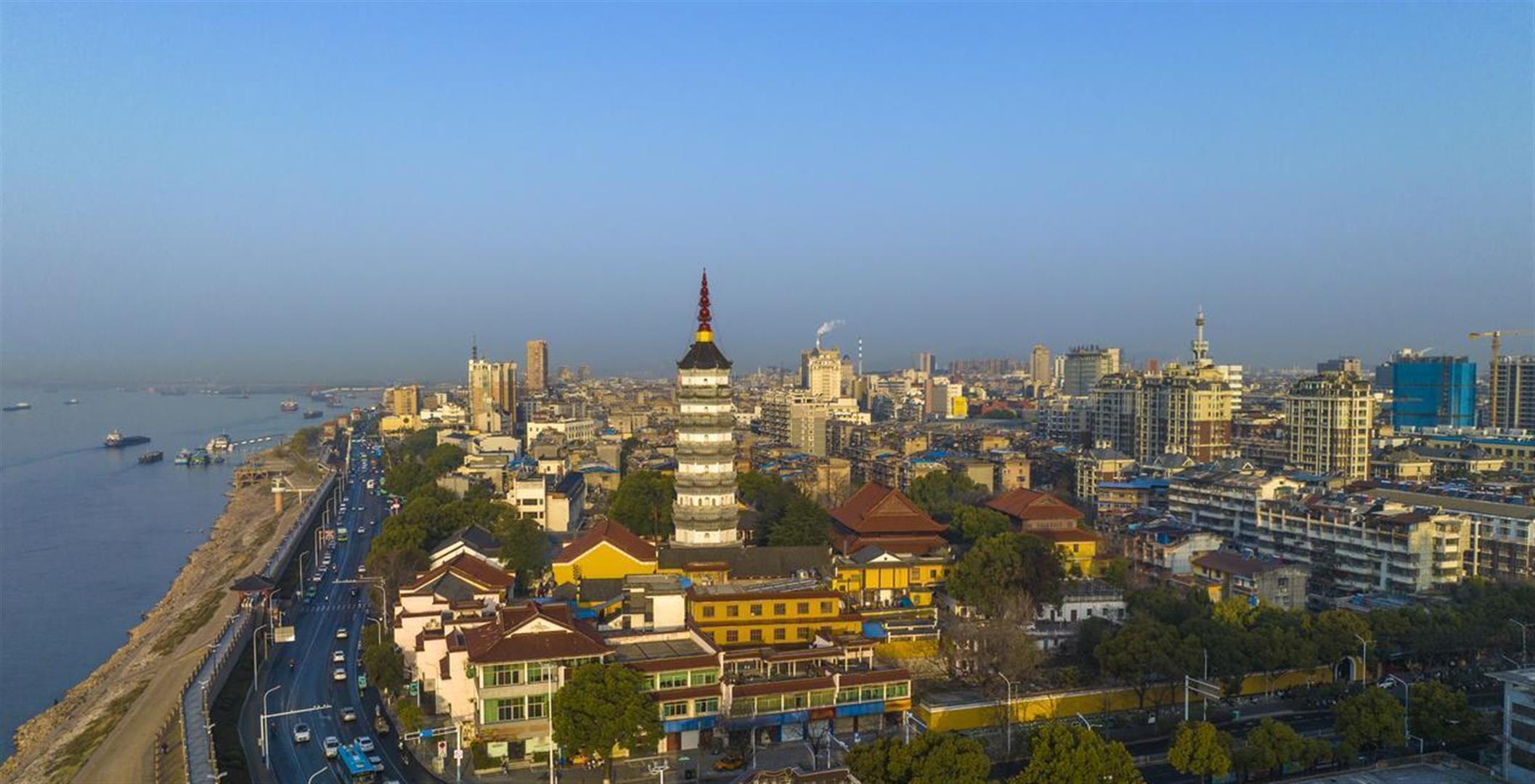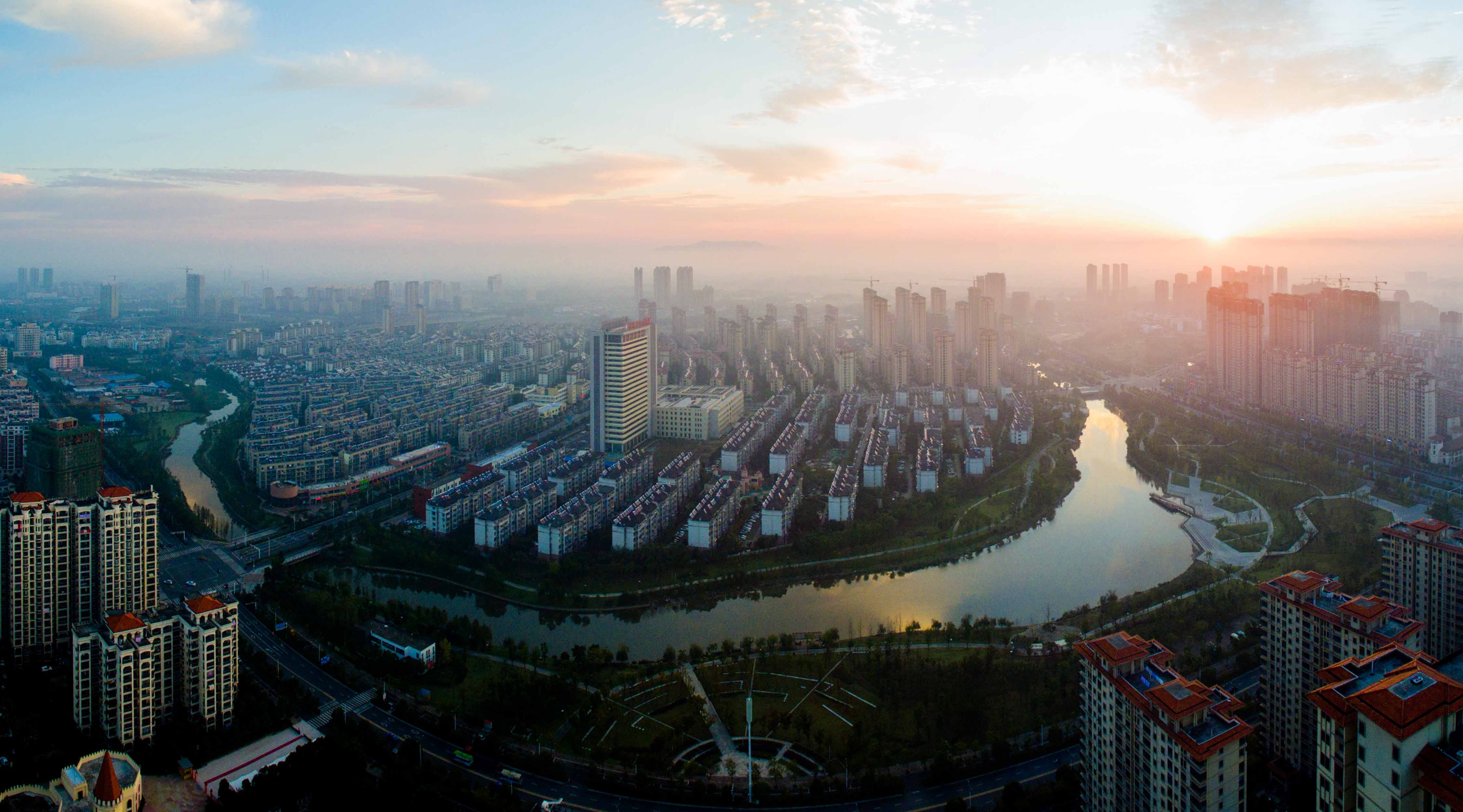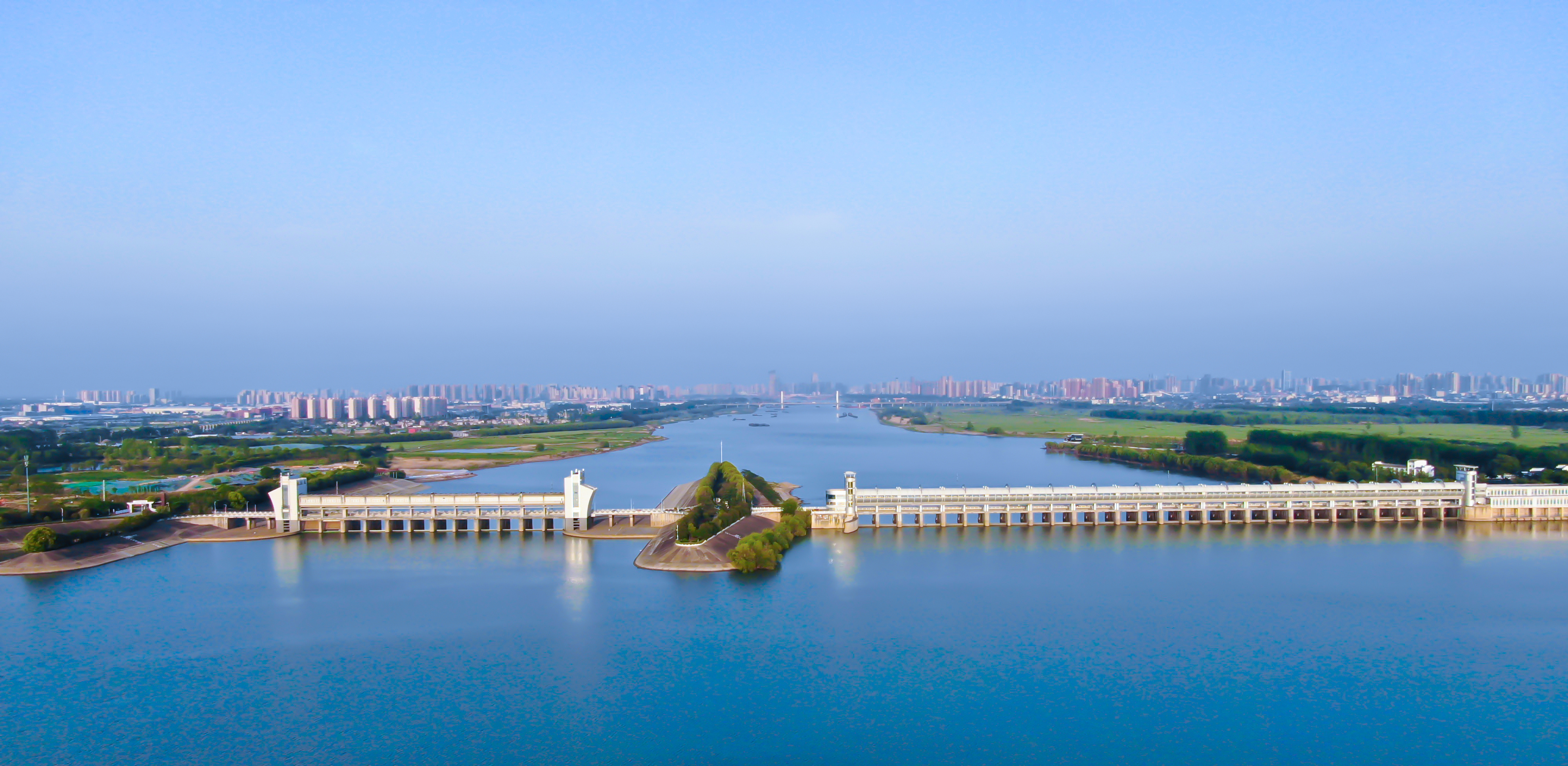
Lu'an city skyline and landmarks (六安) - Travel China Guide

Lu'an Travel Guide

Gateway to the Dabie Mountains, home to one of China's finest teas and breathtaking natural landscapes.

About

Lu'an, situated in the western reaches of Anhui Province at the foot of the Dabie Mountains, is a city defined by its remarkable natural environment. The name "Lu'an" means "six in peace" — the area has been known for its serene landscapes and pure waters since ancient times.

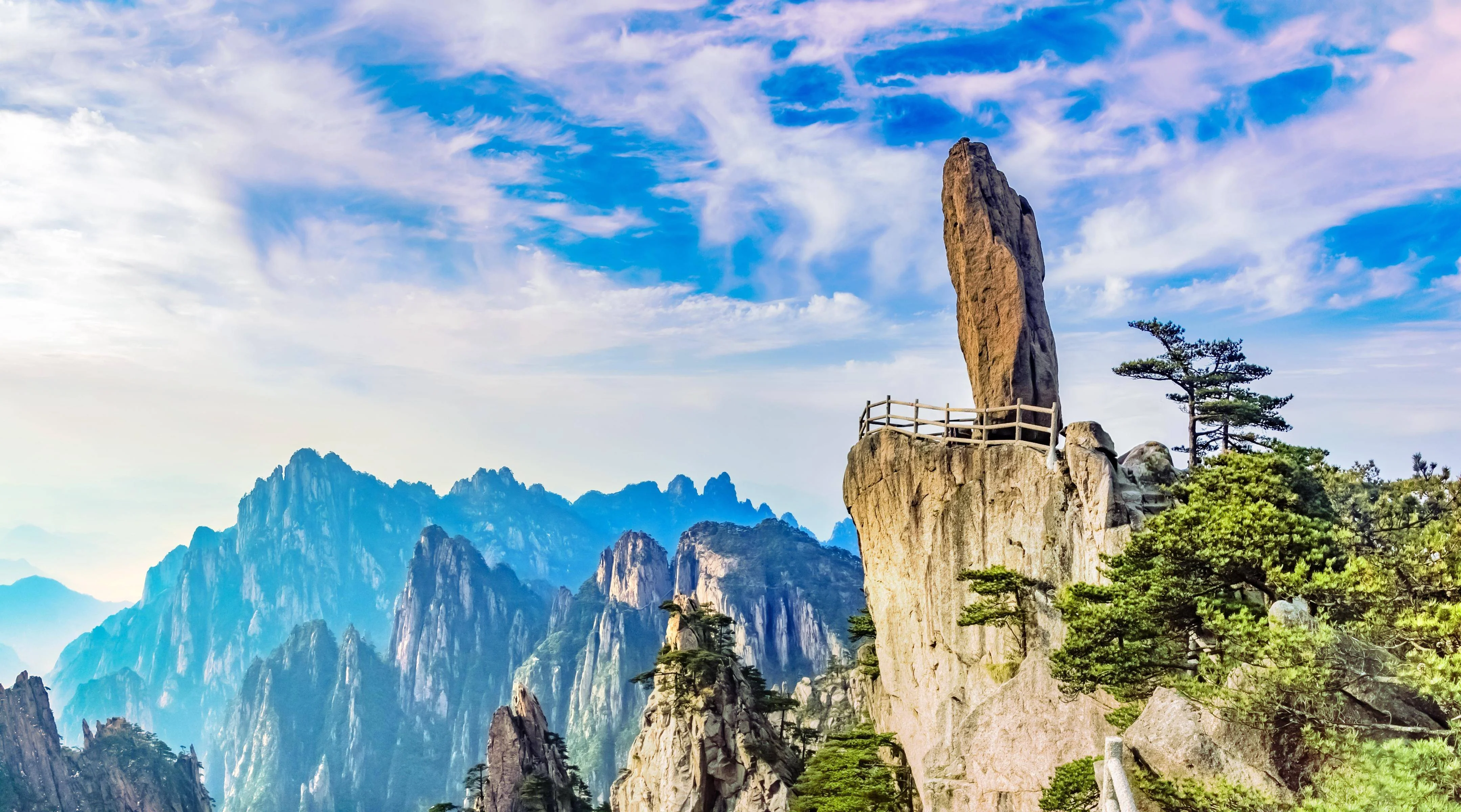
The Dabie Mountains that dominate Lu'an's landscape are one of eastern China's most important ecological zones. Tiantangzhai, the range's premier scenic area, offers some of the best hiking in the region, with granite peaks, ancient forests, and a stunning series of waterfalls that cascade down the mountain's flanks. The air is fresh and clean, a welcome escape from urban pollution.

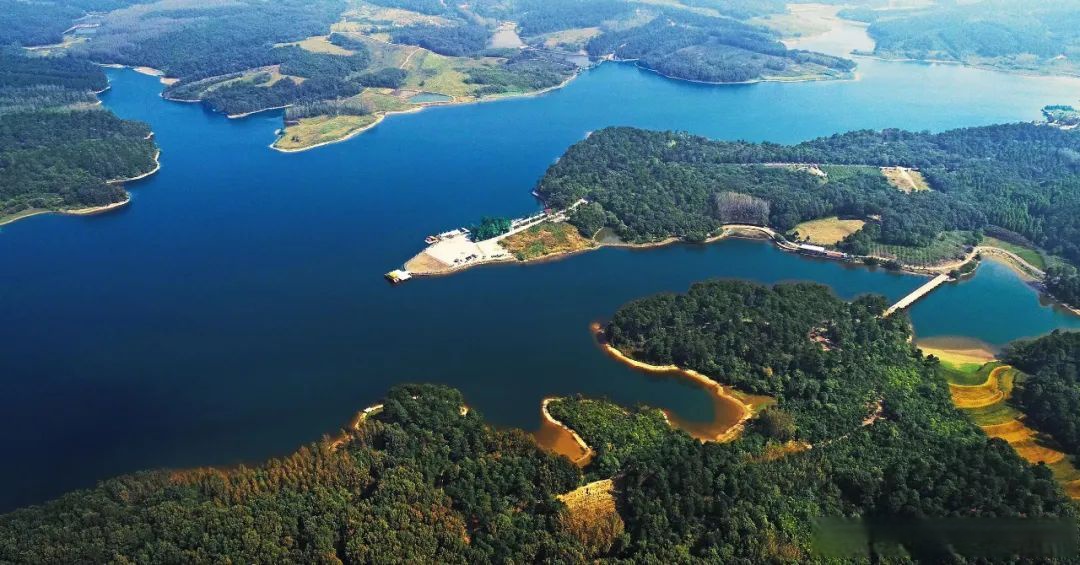
Wanfo Lake, a vast man-made reservoir covering 50 square kilometres, is the region's premier water attraction. Surrounded by emerald hills, the lake's numerous islands and clear waters provide excellent boating, fishing, and cycling opportunities.

Lu'an is most famous nationally for its tea — Lu'an Leaf Tea (Lu'an Guapian) ranks among China's ten finest teas. Grown on the misty slopes of the Dabie Mountains, this unique leaf tea has a distinctive roasted aroma and smooth flavour that tea connoisseurs travel from across China to experience. The tea plantations in the surrounding counties offer beautiful rural scenery and authentic cultural experiences.

History & Development

Lu'an has a history dating back over 2,000 years. During the Spring and Autumn period, it was part of the State of Lu, and later became a strategically important prefecture during the Han and Tang dynasties.

The Dabie Mountains served as a crucial strategic base during the 1920s-1940s. Jinzhai County alone produced 59 military leaders, and the Memorial Square and museum in Jinzhai preserve this local heritage.

Shou County, now part of Lu'an, was the capital of the Chu State during the late Warring States period. Its Ming Dynasty city wall with its ingenious flood control system is a testament to ancient Chinese engineering.

In modern times, Lu'an has balanced development with environmental protection, leveraging its natural resources for eco-tourism while developing industries in tea processing, traditional medicine, and clean energy.

Economy & Industries

Lu'an's economy has traditionally been based on agriculture, particularly tea cultivation and forestry products. Lu'an Leaf Tea is a nationally recognised brand that drives significant economic activity across the region.

The city has invested heavily in eco-tourism infrastructure, with Tiantangzhai, Wanfo Lake, and the Grand Canyon attracting millions of domestic tourists annually. Tourism has become a major pillar of the local economy.

Traditional Chinese medicine is another important sector, with Huoshan Dendrobium and other medicinal herbs cultivated and exported. The Dabie Mountains are a natural pharmacy, rich in medicinal plant species.

Manufacturing includes food processing, textile production, and building materials. The city's proximity to the Yangtze River Delta economic zone provides access to major consumer markets.

Top Attractions

🏔️ Nature

Tiantangzhai

Tiantangzhai, meaning "Heavenly Village," is the crown jewel of the Dabie Mountains. This national forest park straddles the border between Anhui and Hubei provinces, offering dramatic granite peaks, ancient pine forests, and cascading waterfalls. The main summit reaches 1,729 metres, offering panoramic views of layer upon layer of mountain ridges. The area is home to rare wildlife including clouded leopards and golden eagles, and is one of the best hiking destinations in eastern China.

★★★★ 4.8
🕐 07:00-17:30
🎫 100 yuan
🏔️ Nature

Wanfo Lake

Wanfo Lake, also known as "Ten Thousand Buddha Lake," is a vast reservoir covering 50 square kilometres, surrounded by rolling green hills. The lake features numerous islands of varying sizes, each with its own character. Visitors can take boat cruises, fish in designated areas, or cycle along the lakeside paths. The water is exceptionally clear, reflecting the surrounding mountains like a mirror. The name comes from the many Buddha-shaped rock formations along the shore.

★★★★ 4.6
🕐 08:00-17:30
🎫 80 yuan (including boat)
🏔️ Nature

Dabie Mountains Main Peak

The Dabie Mountains form a major mountain range separating the Yangtze and Huai River basins. The main peak area offers challenging hiking trails, pristine forests, and stunning viewpoints. The range is rich in biodiversity, with over 3,000 plant species and numerous rare animals. The area also holds significance as a location of historical importance, with historical sites scattered through the mountains.

★★★★ 4.5
🕐 07:00-17:00
🎫 80 yuan
🏔️ Nature

Western Anhui Grand Canyon

A dramatic geological wonder where the earth has split open, creating a narrow canyon with vertical cliffs rising hundreds of metres on both sides. The canyon features a series of waterfalls, plunge pools, and winding paths that navigate through the narrowest sections. The most thrilling part requires squeezing through passages barely a metre wide, with water cascading down from above. An adventure seeker's paradise.

★★★★ 4.5
🕐 08:00-17:00
🎫 70 yuan
🎭 Museum

Jinzhai Memorial Square

Jinzhai County is known for producing 59 military leaders. The Memorial Square is a commemorative complex featuring a grand monument, exhibition halls, and cemeteries. The museum tells the story of the Dabie Mountains' local history through photographs, artifacts, and dioramas. An important site for understanding the region's history set against beautiful mountain scenery.

★★★★ 4.3
🕐 08:00-17:00
🎫 Free
🏛️ Landmark

Shou County Ancient City

Shou County is one of China's most historically significant ancient towns, with over 2,000 years of continuous history. Its Ming Dynasty city wall, standing over 7 kilometres in circumference, is remarkably well-preserved and still encloses the old town. The county is known for its unique flood control system — the "month wall" (yueba) design that prevented the city from flooding despite sitting on the Huai River floodplain. Ancient temples, traditional houses, and local food markets fill the atmospheric streets.

★★★★ 4.4
🕐 Open daily
🎫 Free (city wall 20 yuan)

Food & Culture

Discover the culinary treasures of Lu'an, from traditional street food to imperial cuisine.

Things to Do

Hike Tiantangzhai

Tackle the trails of the Dabie Mountains' most spectacular peak through forests and waterfalls.

Lake Cruise on Wanfo Lake

Take a scenic boat cruise across the crystal-clear waters of Ten Thousand Buddha Lake.

🍜

Tea Tasting Experience

Visit a Lu-an Leaf Tea plantation, meet local farmers, and taste freshly brewed tea.

Explore the Grand Canyon

Navigate the narrow passages and waterfalls of the West Anhui Grand Canyon.

🏛️

Cycle the Shou County Wall

Walk or cycle the 7-kilometre Ming Dynasty city wall for historic views.

Photography at Dabie Mountains

Capture stunning mountain landscapes, especially at sunrise and sunset.

Suggested Itineraries

Lu'an Nature & Tea Day

Experience the best of Lu'an's natural beauty and tea culture in one day.

  • Morning: Tiantangzhai or West Anhui Grand Canyon hike
  • Midday: Local lunch with Jinzhai chestnuts
  • Afternoon: Tea plantation visit and tasting

Mountains & History Weekend

Combine mountain adventure with lakeside relaxation and ancient history.

  • Day 1: Tiantangzhai full-day hike
  • Day 2: Wanfo Lake cruise + Shou County ancient city walk

Getting Around

✈️

Airport

Nearest airport is Hefei Xinqiao Airport (about 90km, 1.5 hours by car).

🚄

High-Speed Rail

Lu'an Station serves the Hefei-Wuhan High-Speed Railway, reaching Hefei in 30 minutes and Wuhan in 1.5 hours.

🚌

Bus Network

Long-distance buses connect Lu'an to scenic areas. Local buses serve the city centre.

🚕

Taxi & Rideshare

Available throughout the city

Best Time to Visit

🌸

Spring

Mar - May

★★★★★

Tea harvest season with pleasant temperatures (12-23°C). Mountain flowers bloom everywhere. The best time for tea plantation visits.

  • Tea harvest season
  • Blooming wildflowers
  • Comfortable hiking weather
☀️

Summer

Jun - Aug

★★★★☆

Warm and humid (22-32°C). Mountain areas are cooler and popular for summer retreats. Occasional heavy rain.

  • Mountain summer retreat
  • Waterfall season
  • Lush green landscapes
🍂

Autumn

Sep - Nov

★★★★★

Clear, cool weather with spectacular autumn foliage in the mountains. Best season for photography and hiking.

  • Stunning fall colours
  • Perfect hiking conditions
  • Clear mountain views
❄️

Winter

Dec - Feb

★★☆☆☆

Cold but generally dry (0-8°C). Snow occasionally dusts the mountain peaks, creating beautiful scenery. Very few tourists.

  • Snow-covered peaks
  • No crowds
  • Lower prices

Continue Exploring China

Discover more cities, food guides, and travel inspiration.