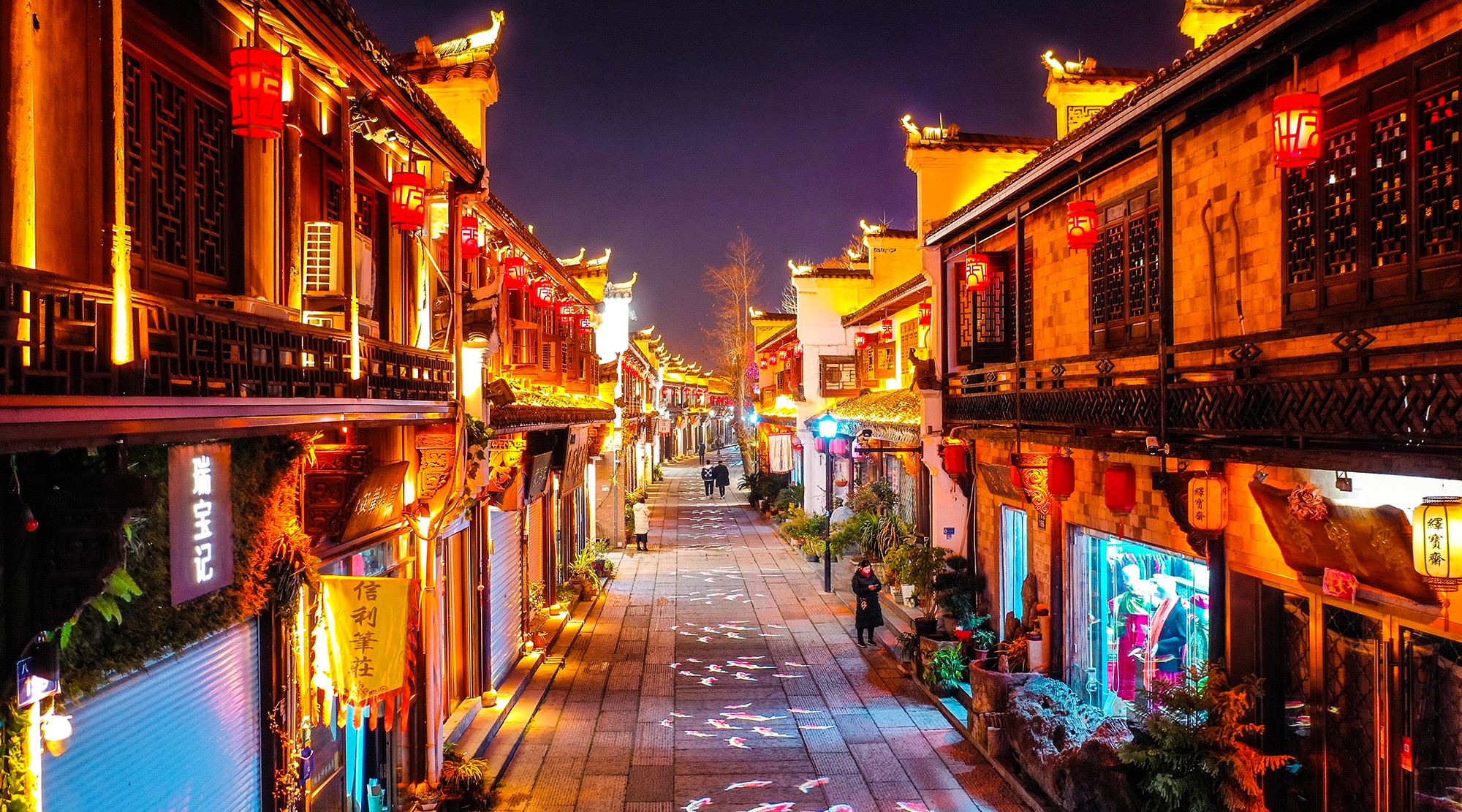
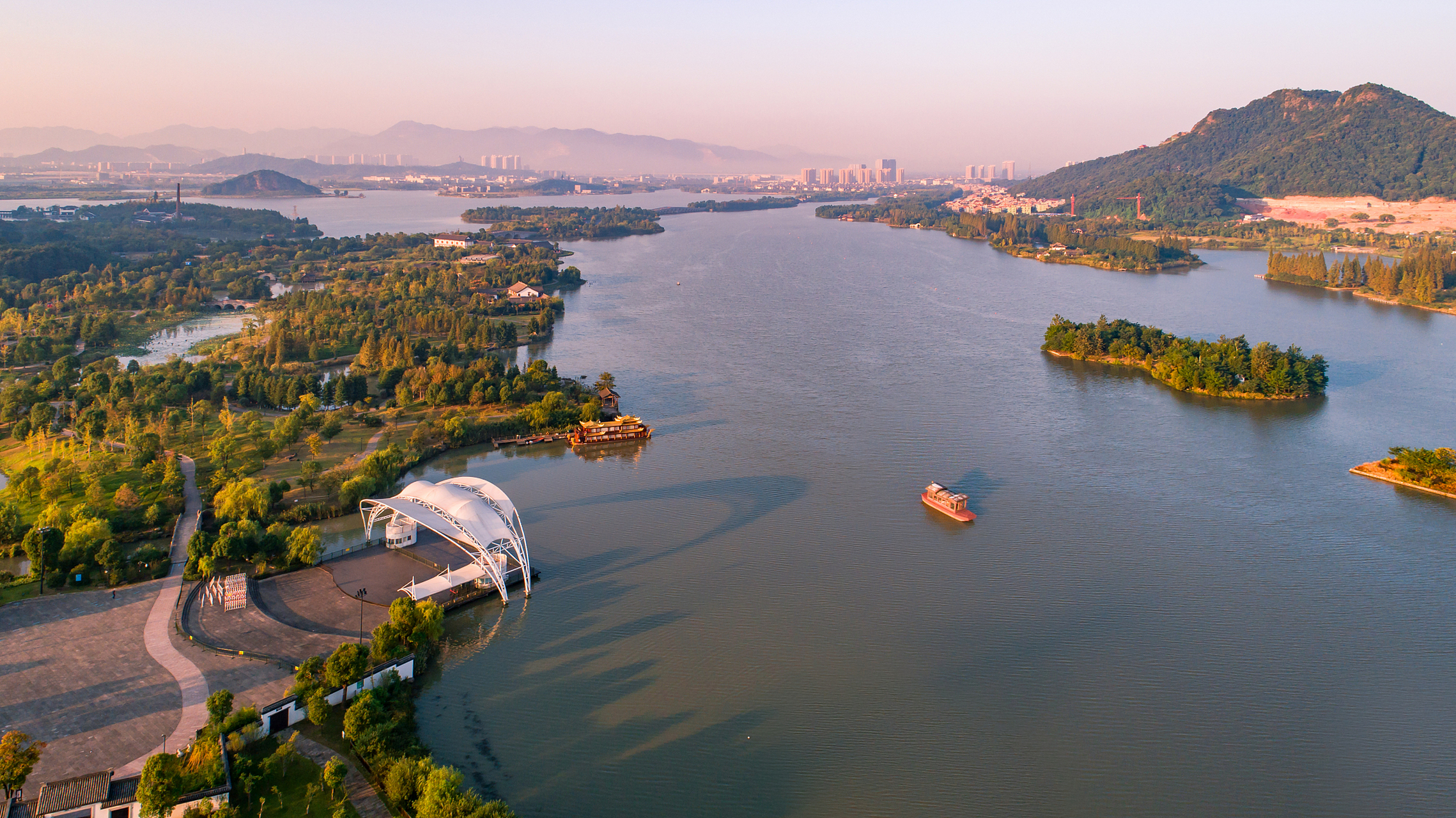
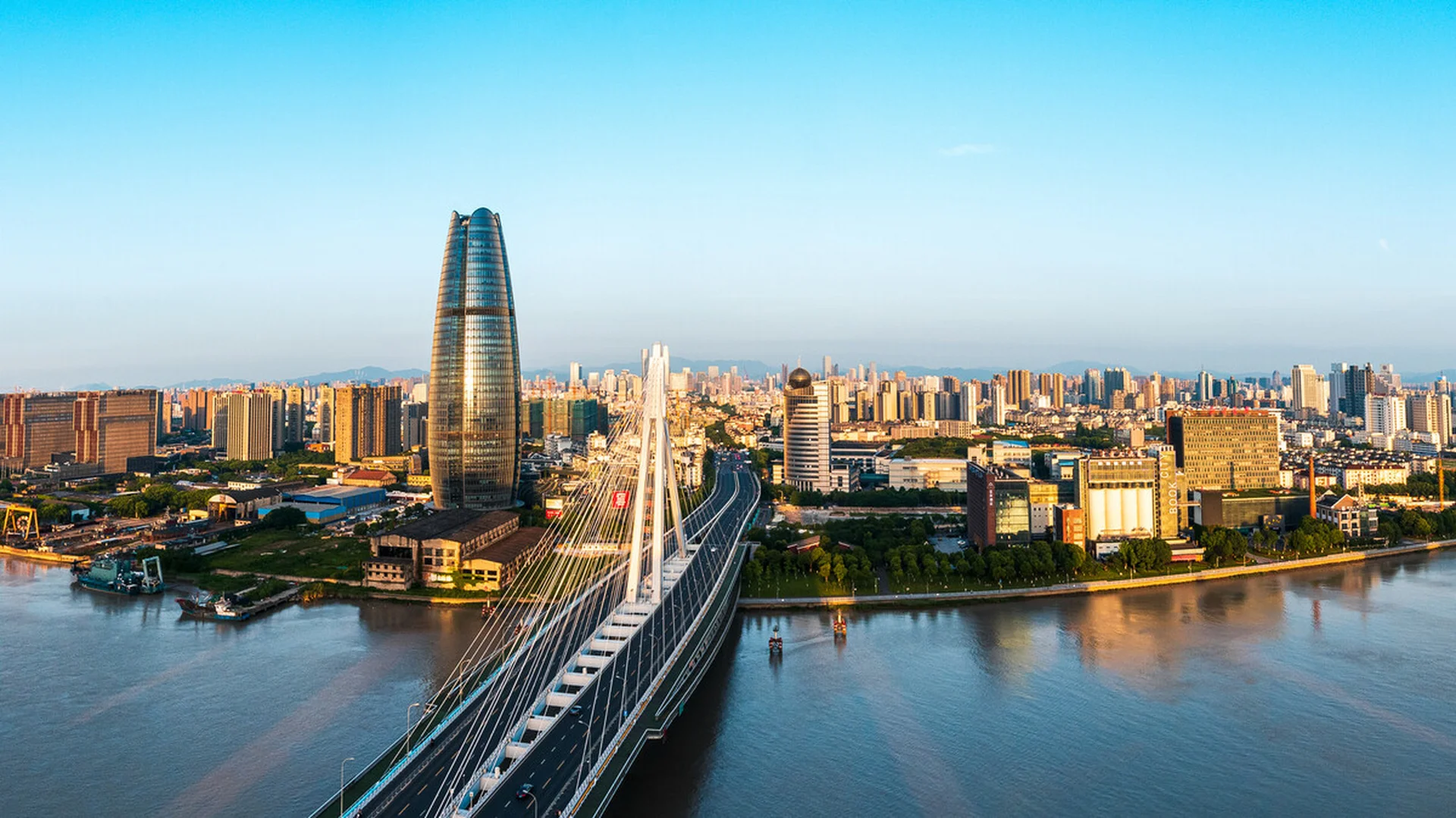
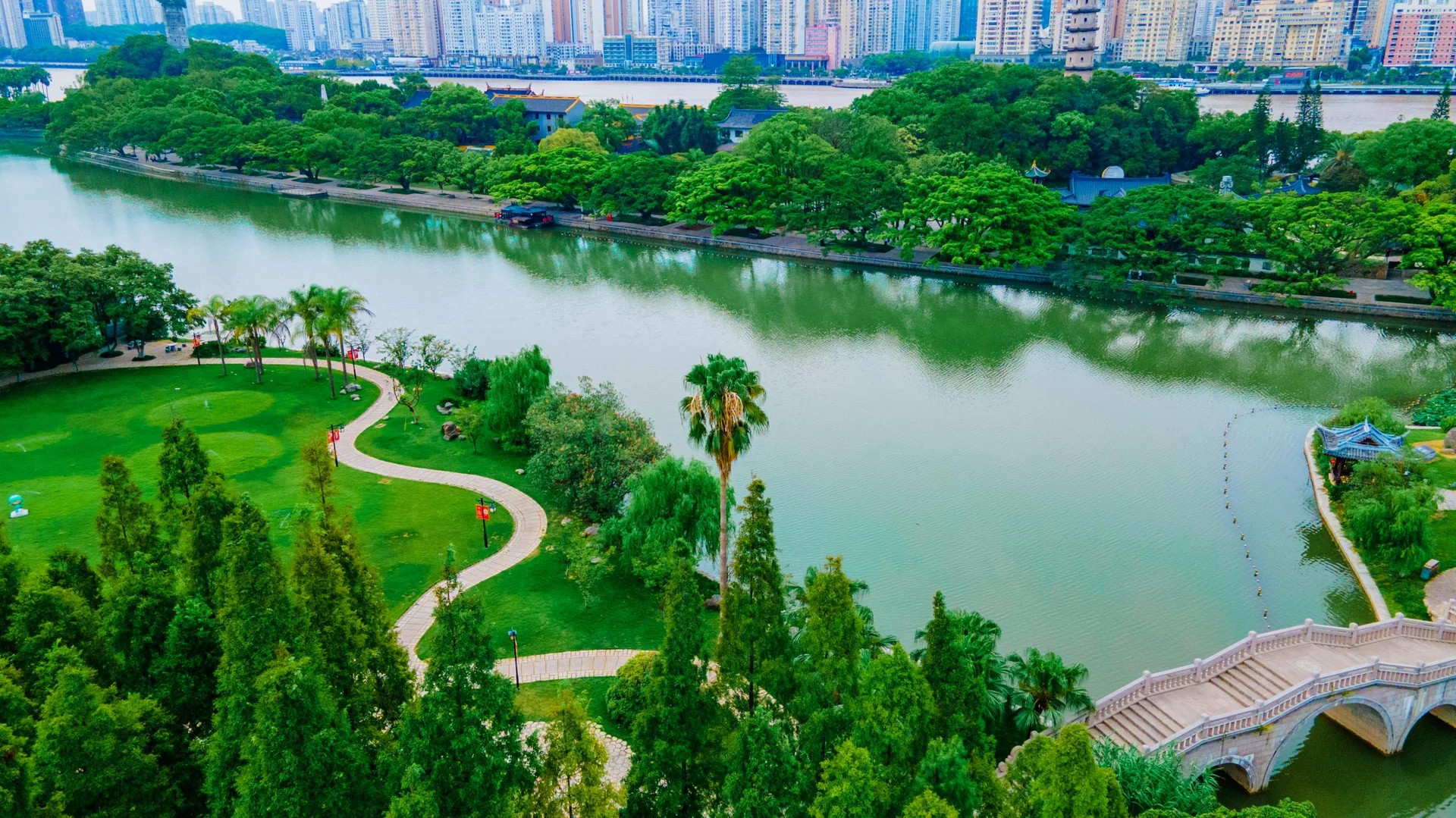
Lishui city skyline and landmarks (丽水) - Travel China Guide

Lishui Travel Guide

Known as "China's Photography Paradise", famous for the terraced rice fields of Yunhe, ancient villages, and the pristine Oujiang River valley.

About

Lishui, often called "Zhejiang's Tibet" for its mountainous terrain and pristine natural environment, is the largest city in Zhejiang by area but one of the least densely populated. Located in the upper reaches of the Oujiang River valley, it is renowned for some of China's most spectacular landscapes.

The crown jewel of Lishui is the Yunhe Rice Terraces, carved into the mountains over a millennium by generations of local farmers. When flooded in spring and summer, the terraces create a mirror-like surface that reflects the sky, clouds, and surrounding mountains — a sight that draws photographers from around the world.

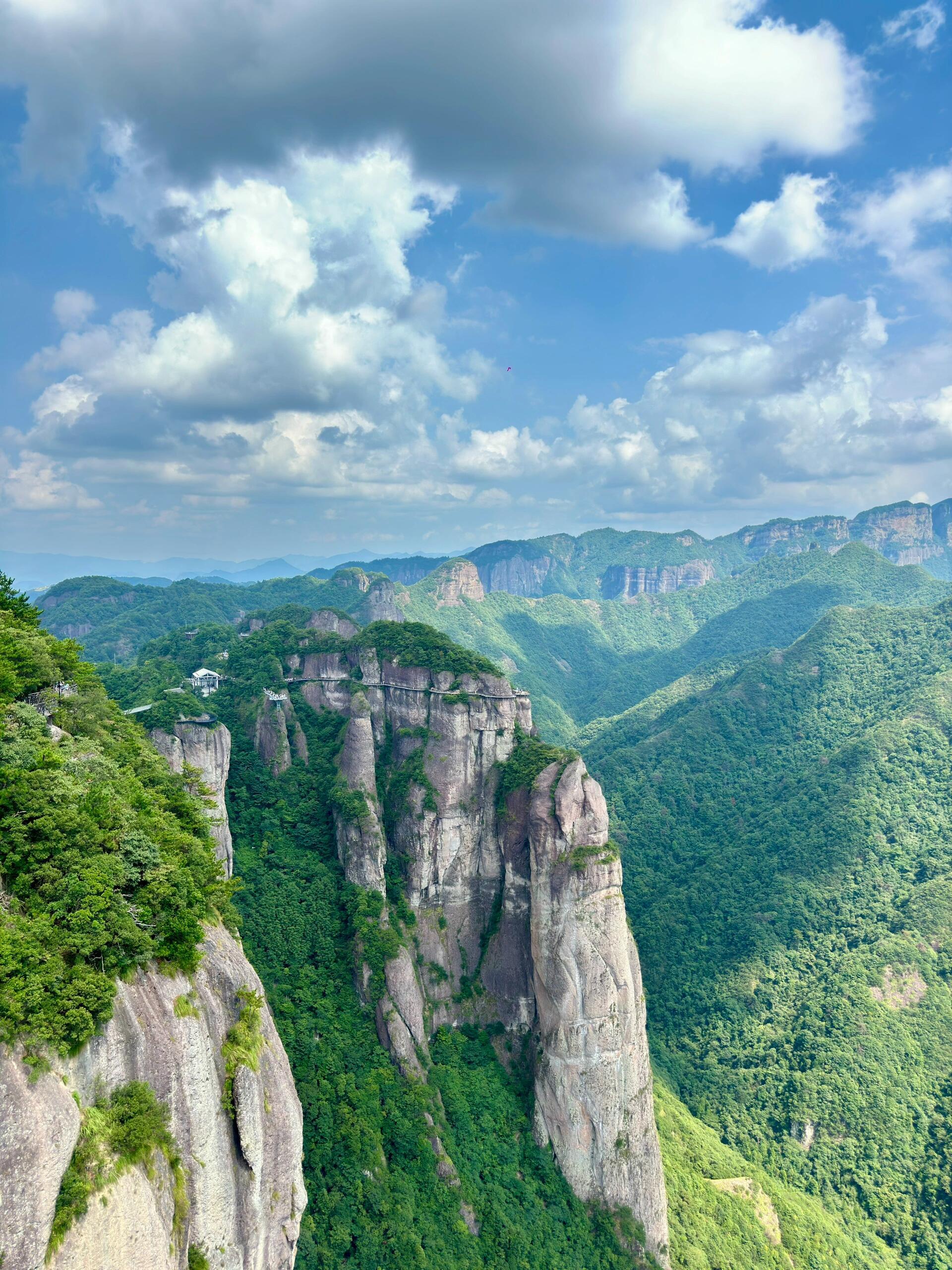
Lishui is also home to Xiandu (Immortal Realm), a landscape of fantastical peak clusters immortalized in Chinese poetry and painting. The iconic Dinghu Peak rises 170 meters straight from the river, creating one of China's most recognizable natural landmarks.

Beyond its natural beauty, Lishui preserves rich cultural heritage. The Guyuan Huaxiang ancient irrigation village showcases a 1,500-year-old dam system. Jingning County is home to the She ethnic minority, adding cultural diversity to the region. Longquan celadon porcelain, a thousand-year-old ceramic tradition, continues to be produced here.

History & Development

Lishui was established as a prefecture during the Sui dynasty (581-618 AD) and has a history spanning over 1,400 years. Its mountainous terrain historically made it relatively isolated, which helped preserve its natural landscapes and traditional cultures.

The Yunhe Terraces were first built during the Tang dynasty (618-907 AD) and expanded over subsequent centuries. Generations of farmers reshaped the mountain slopes into an intricate system of rice paddies that demonstrate remarkable engineering skill and harmony with nature.

Longquan celadon (qingci) is one of China's most celebrated ceramic traditions, with a history dating back to the Northern Song dynasty (960-1127). Longquan kilns produced exquisite green-glazed ceramics that were exported throughout Asia and the Middle East via the Maritime Silk Road. The tradition continues today with both traditional and contemporary designs.

The She ethnic minority has lived in the Lishui region for centuries. Jingning She Autonomous County, established in 1984, was the first She autonomous administrative region in China. The She people have their own language, dress, and customs that add to Lishui's cultural diversity.

In modern times, Lishui has developed as an eco-tourism destination, leveraging its pristine environment and spectacular landscapes to attract visitors seeking natural beauty and cultural authenticity.

Economy & Industries

Lishui's economy is relatively small compared to other Zhejiang cities but has developed steadily with a focus on eco-friendly and sustainable industries.

Tourism is the most dynamic sector, built on world-class attractions like the Yunhe Terraces, Xiandu, and the ancient villages. The city has positioned itself as "China's Photography Paradise," attracting both amateur and professional photographers. The tourism industry supports a growing network of boutique hotels, guesthouses, and restaurants.

Traditional crafts remain economically and culturally significant. Longquan celadon pottery is internationally renowned, with workshops and studios producing everything from traditional vases to contemporary art pieces. Longquan swords are another famous traditional product, considered among the finest swords in Chinese history.

Agriculture focuses on high-value specialty products: Longquan mushrooms, Jingning tea, Yunhe snow pears, and other mountain-grown delicacies are prized throughout China. The region's clean environment and traditional farming methods command premium prices.

Bamboo processing is a significant industry, taking advantage of the extensive mountain bamboo forests. Products range from construction materials to household items and handicrafts.
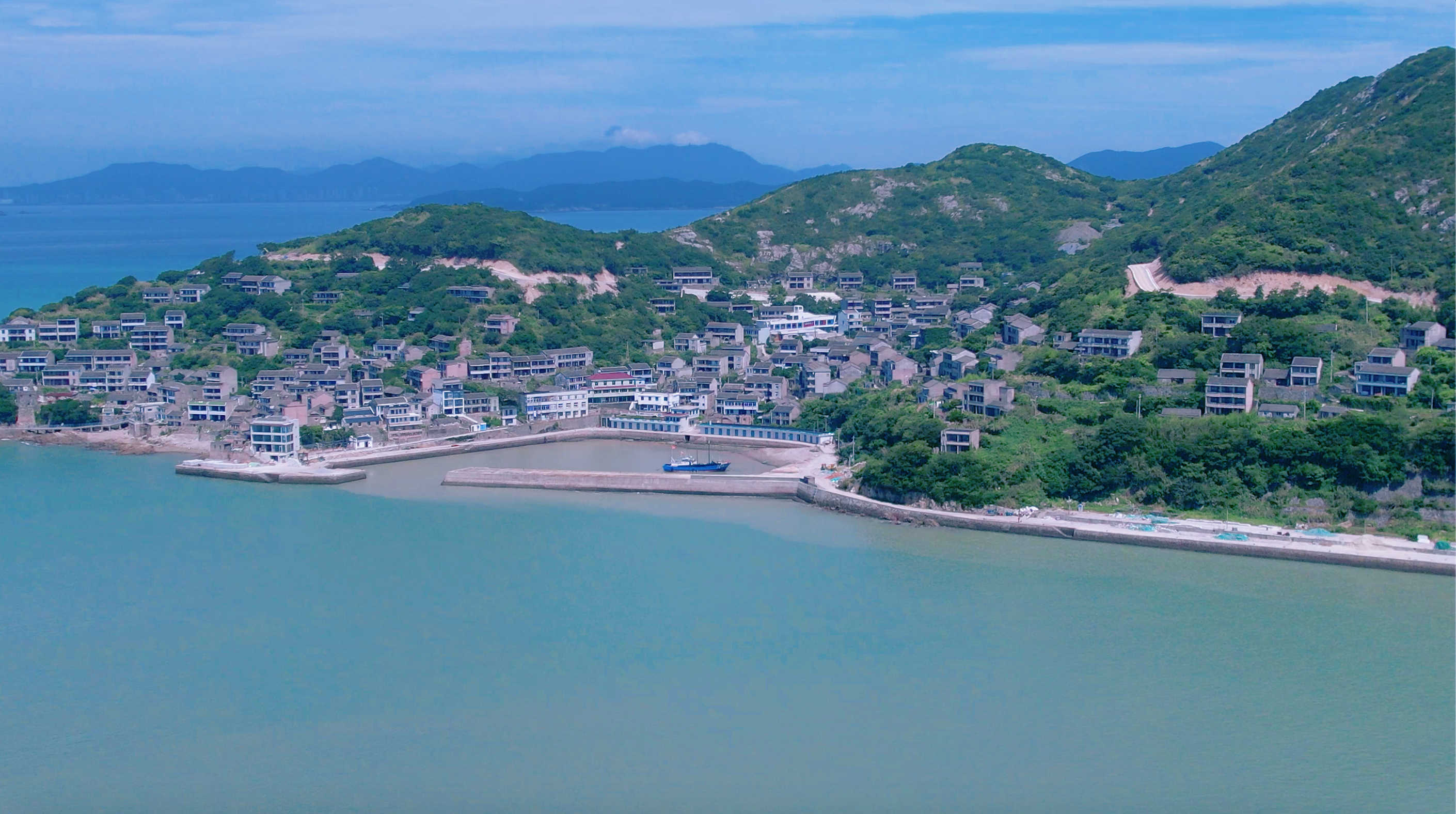
Top Attractions

🏔️ Nature

Yunhe Terraces

One of China's most breathtaking terrace landscapes, carved into the mountains over 1,000 years by local farmers. Spanning from 200 to 1,400 meters in elevation, the terraces create a spectacular mirror effect when flooded. The interplay of light, water, and layered green rice paddies makes this a paradise for photographers, especially at sunrise and sunset.

★★★★ 4.9
🕐 Open all day
🎫 80 yuan
🏔️ Nature

Xiandu Scenic Area

A breathtaking landscape of towering peak clusters, ancient temples, and winding rivers. Known as the "Land of Immortals," Xiandu features the iconic Dinghu Peak, a massive stone pillar rising 170 meters from the river. The area has been a filming location for numerous Chinese fantasy films and TV dramas.

★★★★ 4.7
🕐 8:00 AM - 5:30 PM
🎫 110 yuan
🏛️ Landmark

Guyuan Huaxiang

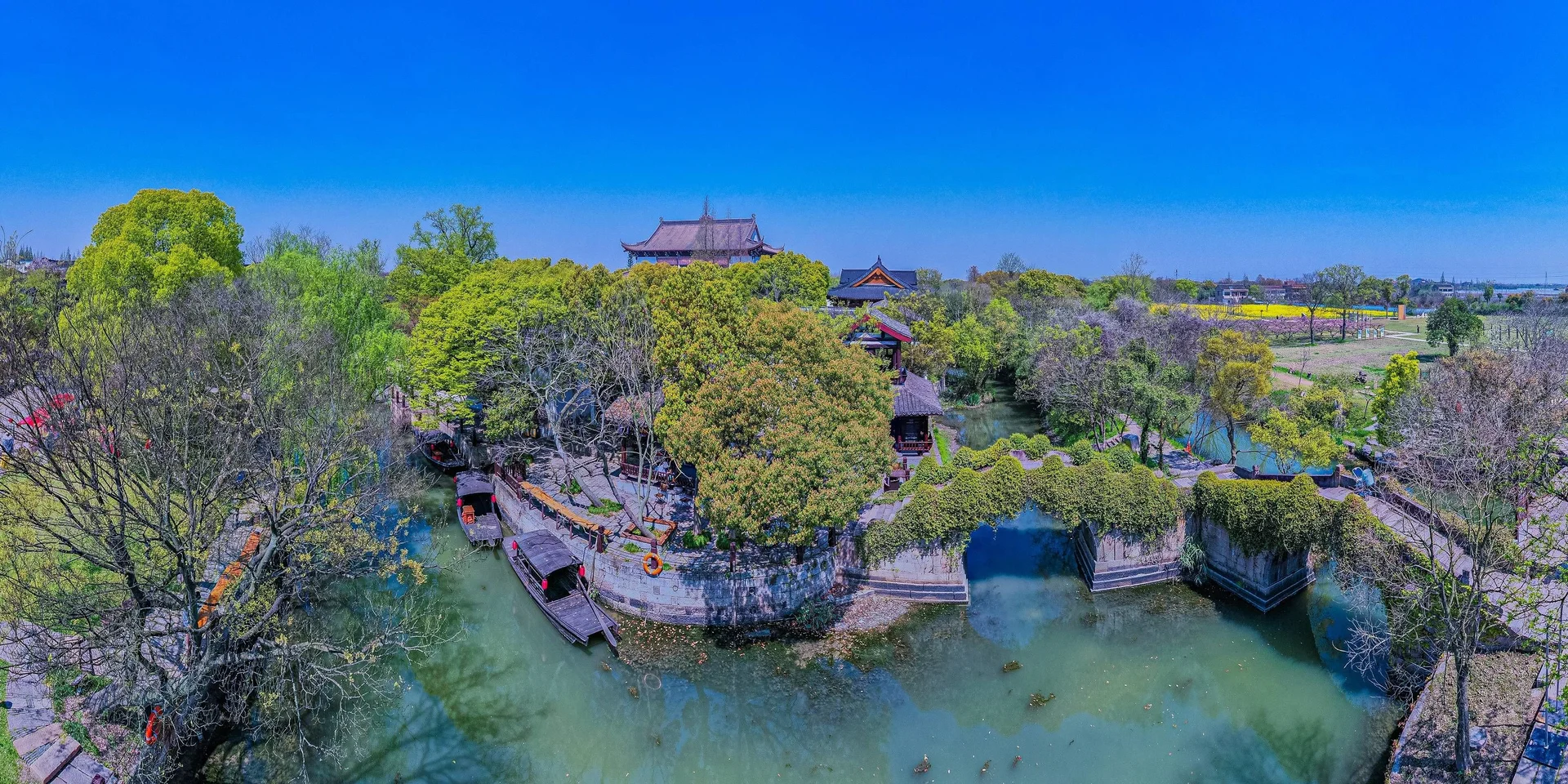
A picturesque ancient irrigation village dating back over 1,500 years. The site features a still-functioning Song dynasty dam, ancient camphor trees, traditional courtyard houses, and an art district where painters set up easels along the river. The name means "Ancient Weir and Painting Village," capturing its dual character as a historical site and artist colony.

★★★★ 4.6
🕐 8:00 AM - 5:00 PM
🎫 50 yuan
🏔️ Nature

East West Rock

A distinctive Danxia landform area featuring two massive rock formations — East Rock and West Rock — that rise dramatically from the landscape. The area is home to many She ethnic minority villages, and visitors can explore cave dwellings, ancient temples, and hiking trails that offer stunning panoramic views of the surrounding countryside.

★★★★ 4.4
🕐 8:00 AM - 5:00 PM
🎫 45 yuan
🏔️ Nature

Nanjian Rock

A scenic mountain area famous for its sea of clouds, misty peaks, and terraced fields. The viewing platform at the summit offers spectacular sunrise views over a sea of clouds, with layers of mountain ridges fading into the distance. The area is crisscrossed with hiking trails through bamboo forests and past waterfalls.

★★★★ 4.5
🕐 8:00 AM - 5:00 PM
🎫 80 yuan
🏔️ Nature

Longquan Mountain

A mountain national park in Longquan City, featuring a pristine alpine ecosystem with dense forests, crystal-clear streams, and rare wildlife. The highest peak reaches 1,929 meters. The area is also famous for Longquan celadon (qingci) pottery, a thousand-year-old ceramic tradition, with workshops open to visitors.

★★★★ 4.5
🕐 8:00 AM - 5:00 PM
🎫 80 yuan

Food & Culture

Discover the culinary treasures of Lishui, from traditional street food to imperial cuisine.

Best Time to Visit

Spring (April-May) and Autumn (September-October) offer the best weather for most destinations in China.

Continue Exploring China

Discover more cities, food guides, and travel inspiration.