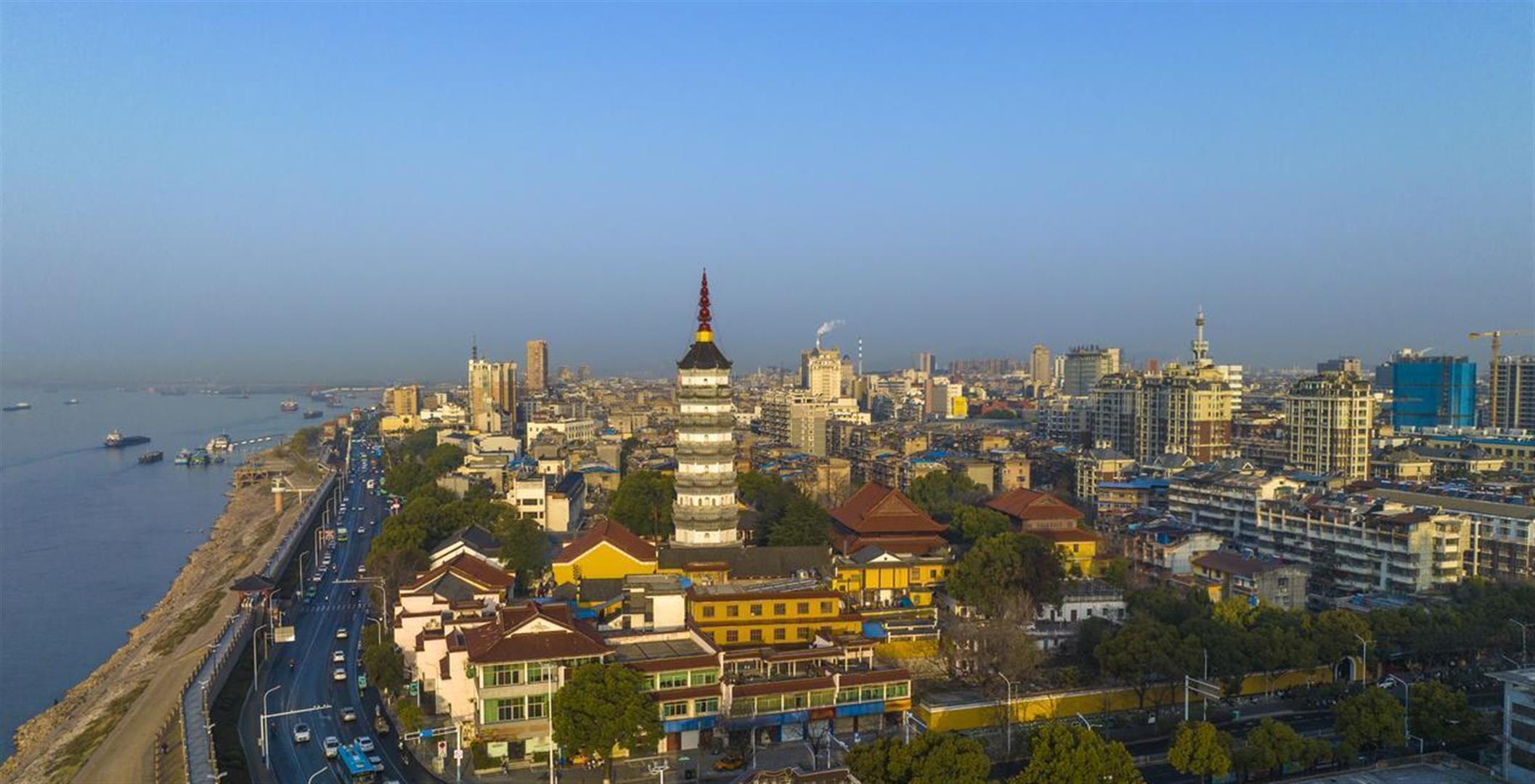
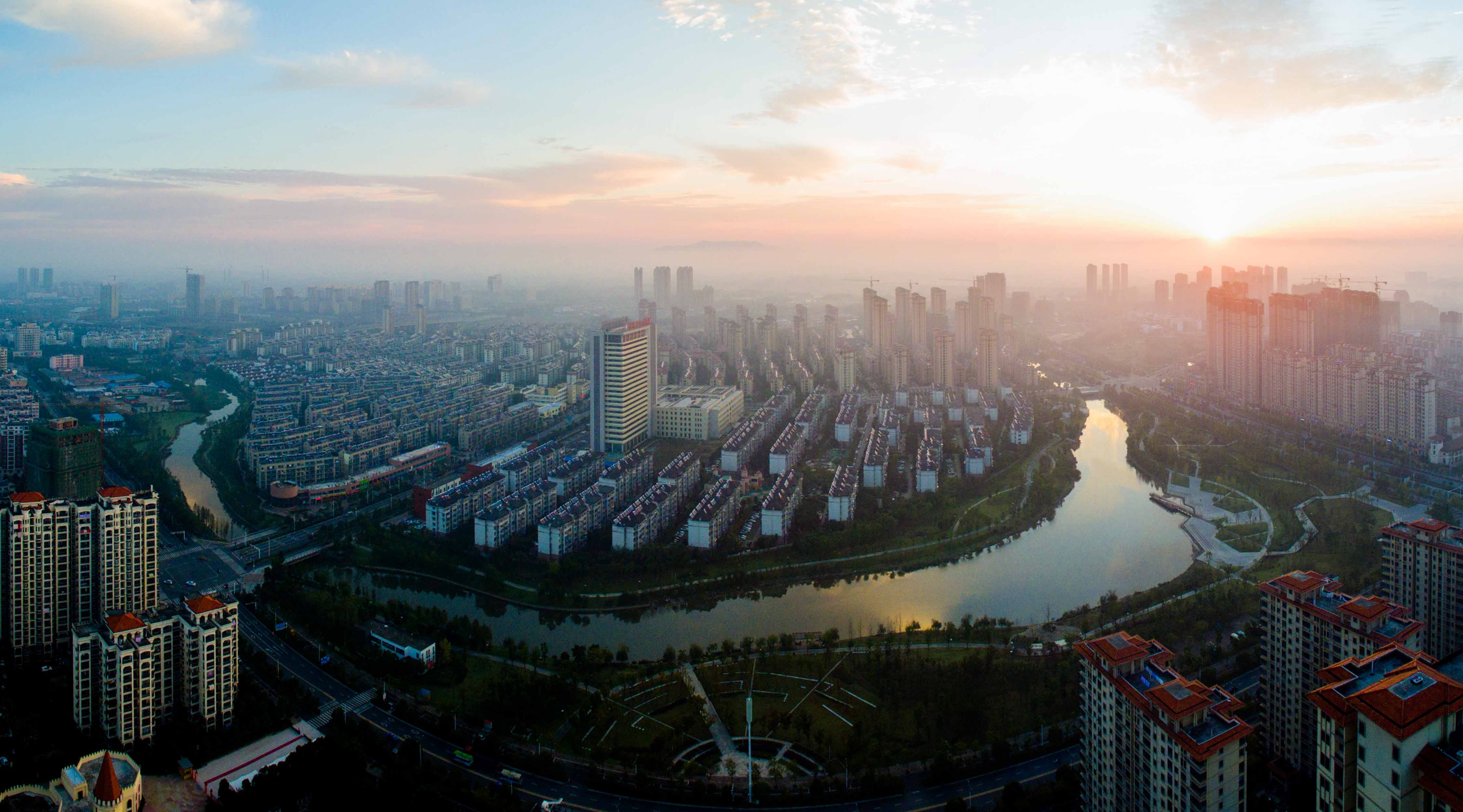
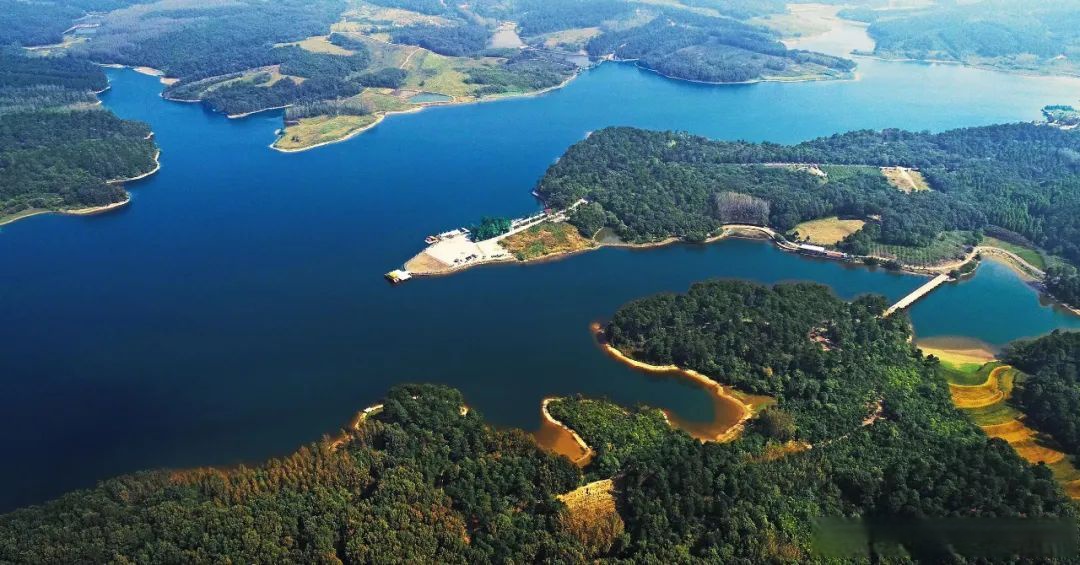
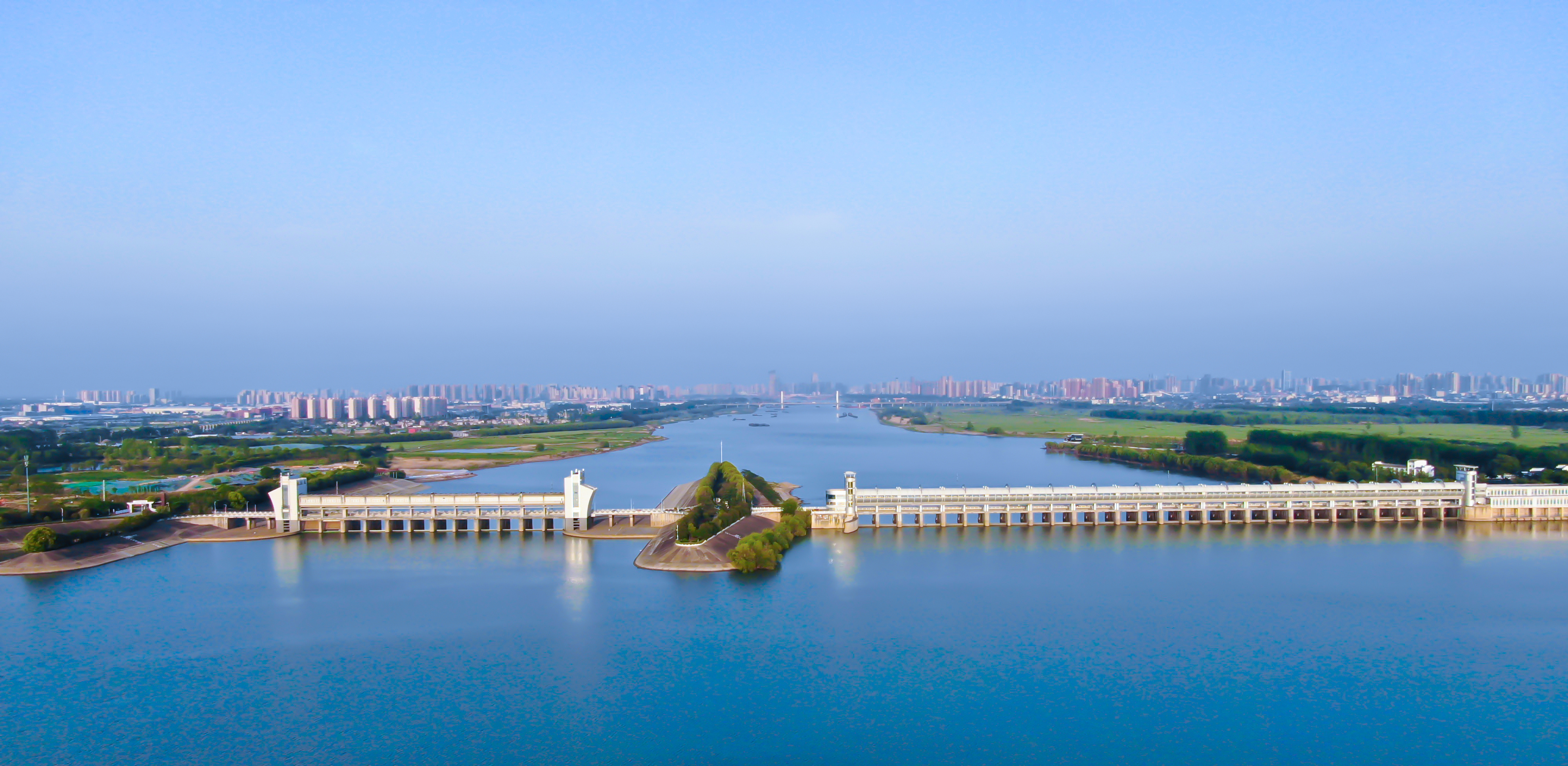
Huainan city skyline and landmarks (淮南) - Travel China Guide

Huainan Travel Guide

The birthplace of tofu, where ancient alchemy created a culinary revolution and Bagong Mountain guards a 2,000-year-old secret.

About

Huainan, situated on the north bank of the Huai River in north-central Anhui Province, holds a unique place in Chinese culinary history as the birthplace of tofu. This humble but transformative food was invented here around 164 BCE by Liu An, the Prince of Huainan, who was trying to brew an elixir of immortality and accidentally created soybean curd instead. While he never achieved immortality, his discovery has nourished billions across the world for over two millennia.

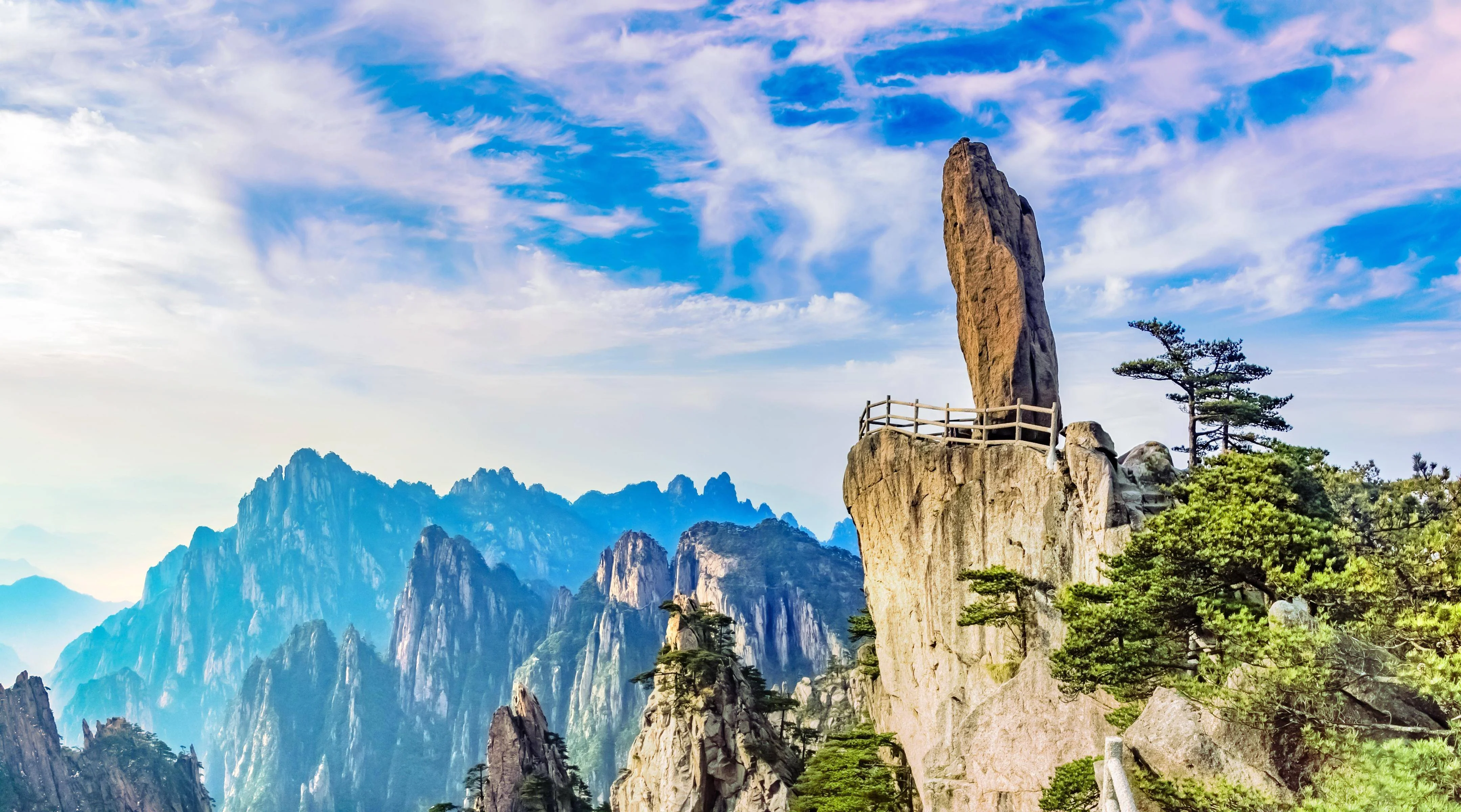
Bagong Mountain, where Liu An conducted his alchemical experiments, is now a scenic area combining natural beauty with cultural heritage. The mountain's limestone peaks, covered in pine forests, offer excellent hiking with views over the Huai River valley. The Tofu Cultural Museum tells the story of this world-changing invention.

Shou County, now part of Huainan, preserves one of China's finest Ming Dynasty city walls. The wall's ingenious flood control system — the "yueba" or moon wall — automatically seals the city gates when the Huai River floods, a design that has protected the town for over 600 years and stands as a masterpiece of ancient hydraulic engineering.

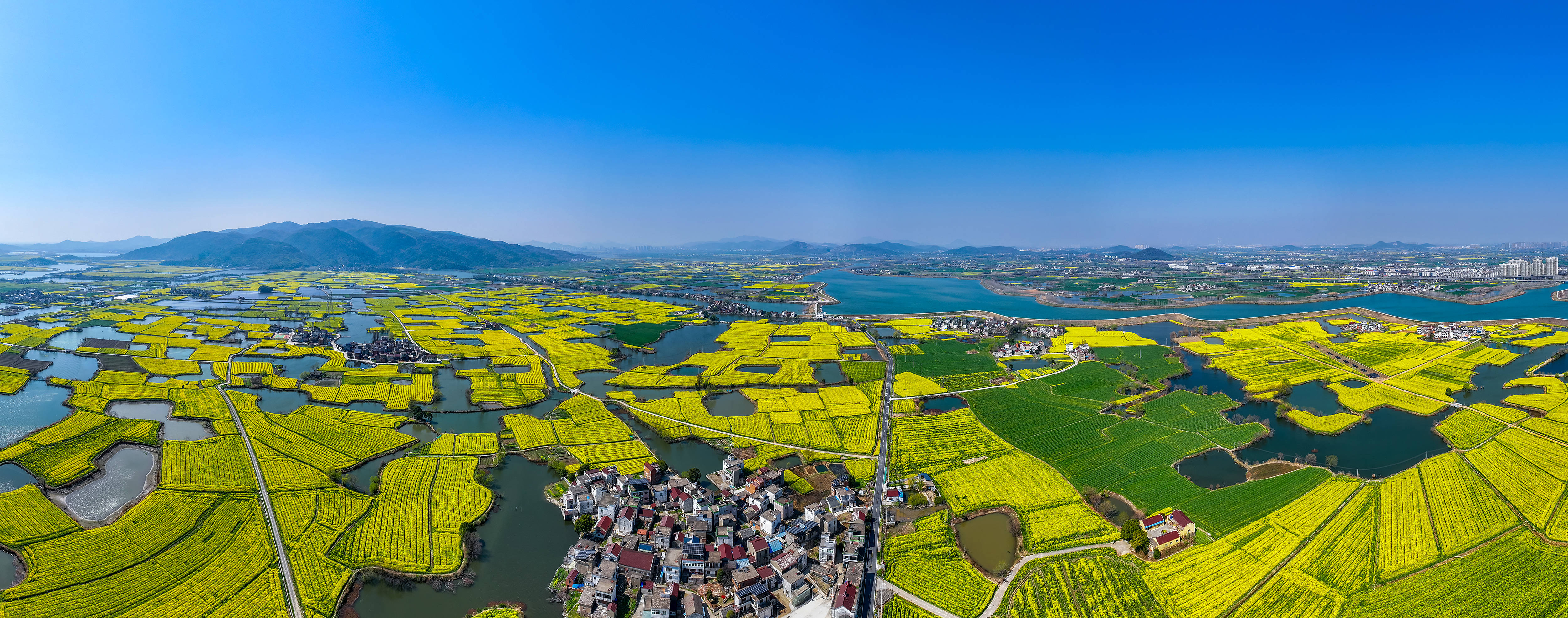
Beyond its historical treasures, Huainan offers tranquil natural escapes at Jiaogang Lake's wetlands and Shangyao Forest Park, while its beef soup has become famous throughout China.

History & Development

Huainan's history is dominated by two great figures from the Western Han Dynasty: Liu An, the Prince of Huainan, and his court of scholars. Liu An's greatest legacy is the "Huainanzi," a comprehensive philosophical text covering cosmology, astronomy, politics, and alchemy — one of the most important works of early Chinese thought.

The invention of tofu at Bagong Mountain around 164 BCE is a story of serendipity. Liu An, seeking immortality through alchemy, experimented with soybeans and accidentally produced curdled soy milk. The result was nutritious, delicious, and soon spread throughout China.

Shou County, originally the capital of the Chu State during the late Warring States period, has over 2,500 years of history. The current city wall was built during the Ming Dynasty (1368-1644) but incorporates older foundations.

In the 20th century, Huainan developed as a coal mining and energy centre, exploiting rich coal deposits beneath the Huai River plain. The city became one of China's important energy bases, though it has been diversifying its economy in recent decades.

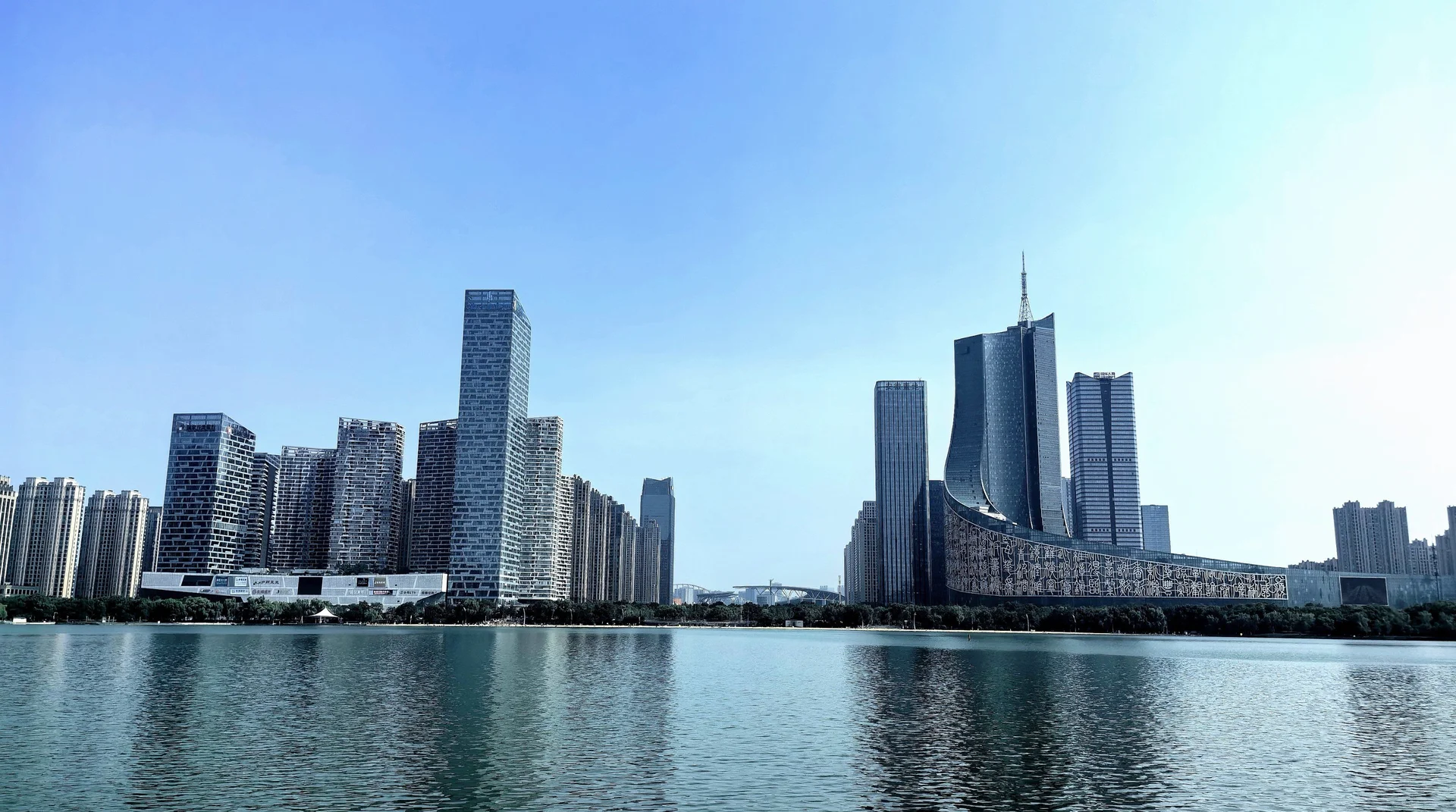
Economy & Industries

Huainan has traditionally been one of China's major coal mining centres, with coal reserves estimated at over 40 billion tonnes. The energy industry — including coal mining, power generation, and coal chemical production — has formed the backbone of the local economy for decades.

In recent years, the city has been actively diversifying. The food processing industry has grown, leveraging Huainan's famous beef soup and tofu products for national distribution. The Tofu Cultural Festival attracts tourists and promotes the city's culinary heritage.

Eco-tourism is expanding, with Bagong Mountain, Shou County, and Jiaogang Lake drawing increasing numbers of visitors. The city has invested in heritage preservation and tourism infrastructure.

Manufacturing includes machinery, electronics, and new energy equipment, part of the city's transition toward a more balanced economic structure.

Top Attractions

🏔️ Nature

Bagong Mountain

Bagong Mountain is legendary as the place where Liu An, the Prince of Huainan during the Western Han Dynasty, invented tofu around 164 BCE while attempting to brew an elixir of immortality. The mountain features a statue of Liu An, ancient alchemy sites, and the Tofu Cultural Museum. Beyond its culinary significance, the mountain offers beautiful hiking trails through limestone formations, pine forests, and scenic viewpoints overlooking the Huai River valley.

★★★★ 4.7
🕐 08:00-17:30
🎫 40 yuan
🏛️ Landmark

Tomb of Liu An

The burial site of Liu An (179-122 BCE), the Prince of Huainan and grandson of the founding emperor of the Han Dynasty. Liu An was not only a royal prince but also a renowned scholar — he compiled the "Huainanzi," an influential philosophical text blending Taoist, Confucian, and Legalist thought. The tomb complex, set against Bagong Mountain, features stone pathways, ancient trees, and commemorative stele.

★★★★ 4.3
🕐 08:00-17:00
🎫 20 yuan
🏛️ Landmark

Shou County Ancient City Wall

The Shou County Ancient City Wall is one of the best-preserved Ming Dynasty city walls in China, stretching over 7 kilometres around the old town. What makes it truly remarkable is its sophisticated flood control system — the "yueba" (moon wall) design uses a series of arched drainage gates that automatically seal when the Huai River floods, preventing water from entering the city. This ingenious system has protected the city for over 600 years. The wall offers panoramic views over the old town and surrounding countryside.

★★★★ 4.6
🕐 08:00-17:30
🎫 20 yuan
🌳 Park

Longhu Park

Huainan's largest urban park, centred around a scenic lake with walking paths, bridges, and pavilions. The park features a large fountain show in the evenings, amusement rides for children, and quiet corners for relaxation. Lotus flowers bloom across the lake surface in summer, while willow trees provide shade along the banks. It's the perfect place for an afternoon stroll or morning tai chi observation.

★★★★ 4.2
🕐 Open daily
🎫 Free
⛩️ Temple

Maoxian Cave

A fascinating Taoist cave temple complex on a cliff overlooking the Huai River. Dating back over 1,800 years, the caves were used by Taoist hermits for meditation and alchemy. The main cave is decorated with Taoist murals and houses statues of deities. A modern glass viewing platform extends from the cliff, offering heart-stopping views of the river valley below. The site combines cave exploration, Taoist culture, and spectacular scenery.

★★★★ 4.4
🕐 08:00-17:00
🎫 40 yuan
🏔️ Nature

Shangyao Forest Park

A tranquil forest park on the outskirts of Huainan, featuring dense pine and bamboo forests, clear streams, and ancient kiln sites dating back to the Ming Dynasty — hence the name "Shangyao" (Upper Kiln). Hiking trails wind through the forest, leading to scenic overlooks and the remains of old pottery workshops. The park is a popular weekend retreat for locals, offering fresh air and peaceful natural surroundings.

★★★★ 4.1
🕐 08:00-17:00
🎫 20 yuan

Food & Culture

Discover the culinary treasures of Huainan, from traditional street food to imperial cuisine.

Things to Do

🏛️

Tofu Pilgrimage on Bagong Mountain

Visit the birthplace of tofu and learn about the happy accident that changed Chinese cuisine forever.

Walk the Ancient Wall

Walk the complete circuit of Shou County's 7-km Ming Dynasty wall with its ingenious flood gates.

🍜

Taste Authentic Beef Soup

Slurp a bowl of Huainan beef soup from a local stall — the dish that put this city on the culinary map.

⛩️

Explore Maoxian Cave

Visit the cliffside Taoist cave temple with its breathtaking glass viewing platform.

🍜

Crab Feast at Jiaogang Lake

Visit in autumn for the season's freshest lake crabs, steamed to perfection.

Cycle through Shangyao Forest

Escape the city into the pine and bamboo forests of Shangyao Forest Park.

Suggested Itineraries

Tofu & Ancient Wall Day Trip

Explore the origins of tofu and the marvels of ancient Chinese engineering in one day.

  • Morning: Bagong Mountain — tofu birthplace + Liu An's tomb
  • Midday: Huainan beef soup lunch
  • Afternoon: Shou County ancient city wall walk

Huainan Nature & Culture Weekend

Experience Huainan's mountains, lakes, temples, and legendary cuisine over a weekend.

  • Day 1: Bagong Mountain + Maoxian Cave + Shou County wall
  • Day 2: Jiaogang Lake + Shangyao Forest Park + food tour

Getting Around

✈️

Airport

Nearest airport is Hefei Xinqiao Airport (about 120km, 1.5 hours by car).

🚄

High-Speed Rail

Huainan South Station serves the Hefei-Bengbu High-Speed Railway, reaching Hefei in 30 minutes and Beijing in 3.5 hours.

🚌

Bus Network

Local buses and long-distance coaches serve the city and surrounding attractions.

🚕

Taxi & Rideshare

Available throughout the city

Best Time to Visit

🌸

Spring

Mar - May

★★★★☆

Mild and pleasant (12-22°C). Mountains are green and flowers bloom. Best for hiking Bagong Mountain.

  • Mountain hiking
  • Comfortable temperatures
  • Tofu festival activities
☀️

Summer

Jun - Aug

★★★☆☆

Hot and humid (26-36°C). Longhu Park is popular for evening walks. Jiaogang Lake offers boat trips.

  • Lake activities
  • Evening strolls
  • Lush scenery
🍂

Autumn

Sep - Nov

★★★★★

Cool and clear (10-24°C). Crab season at Jiaogang Lake. The best time for visiting Shou County.

  • Crab harvest season
  • Pleasant weather
  • Clear skies for photography
❄️

Winter

Dec - Feb

★★☆☆☆

Cold (0-10°C) and dry. Very few tourists. Beef soup is the perfect winter warmer.

  • No crowds
  • Beef soup season
  • Lower prices

Continue Exploring China

Discover more cities, food guides, and travel inspiration.