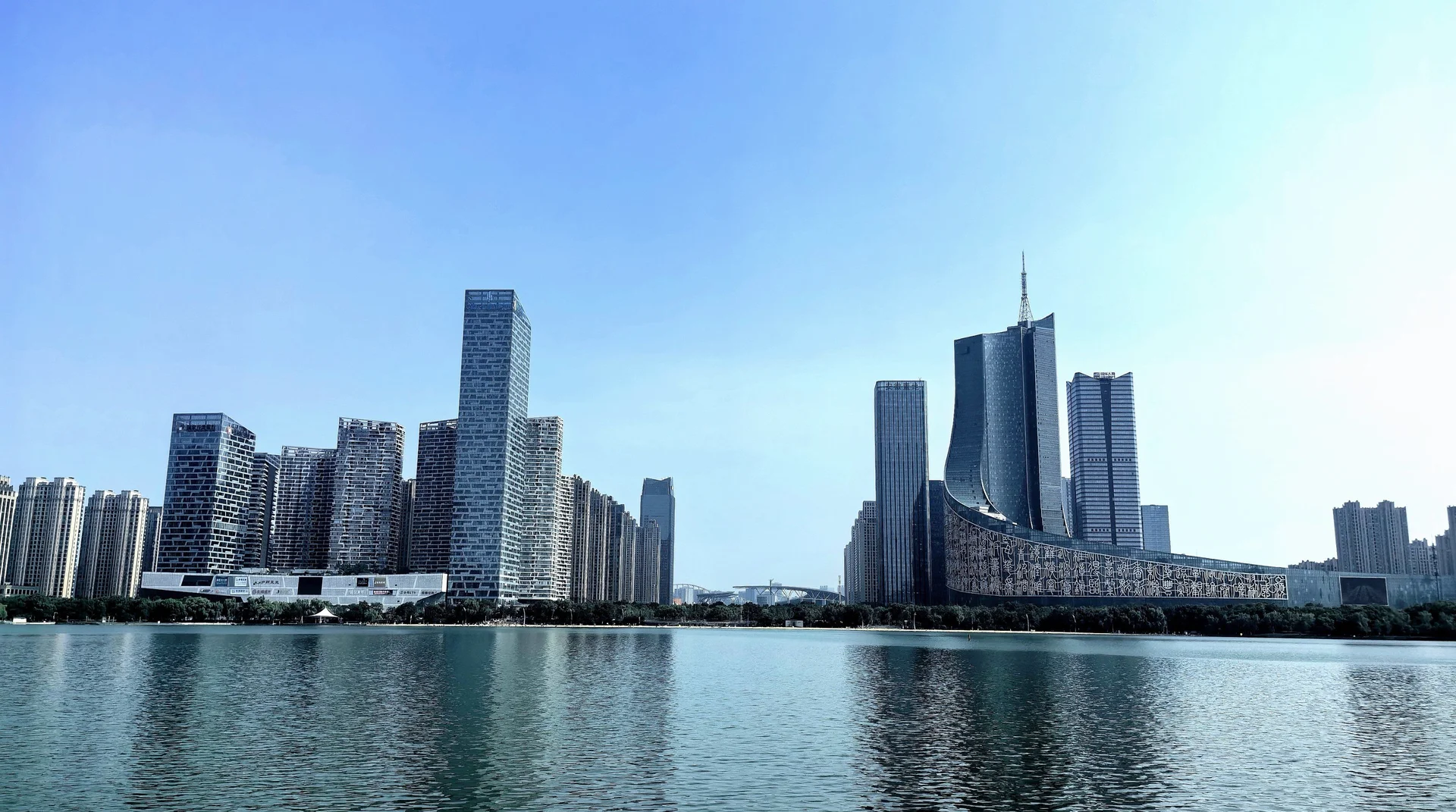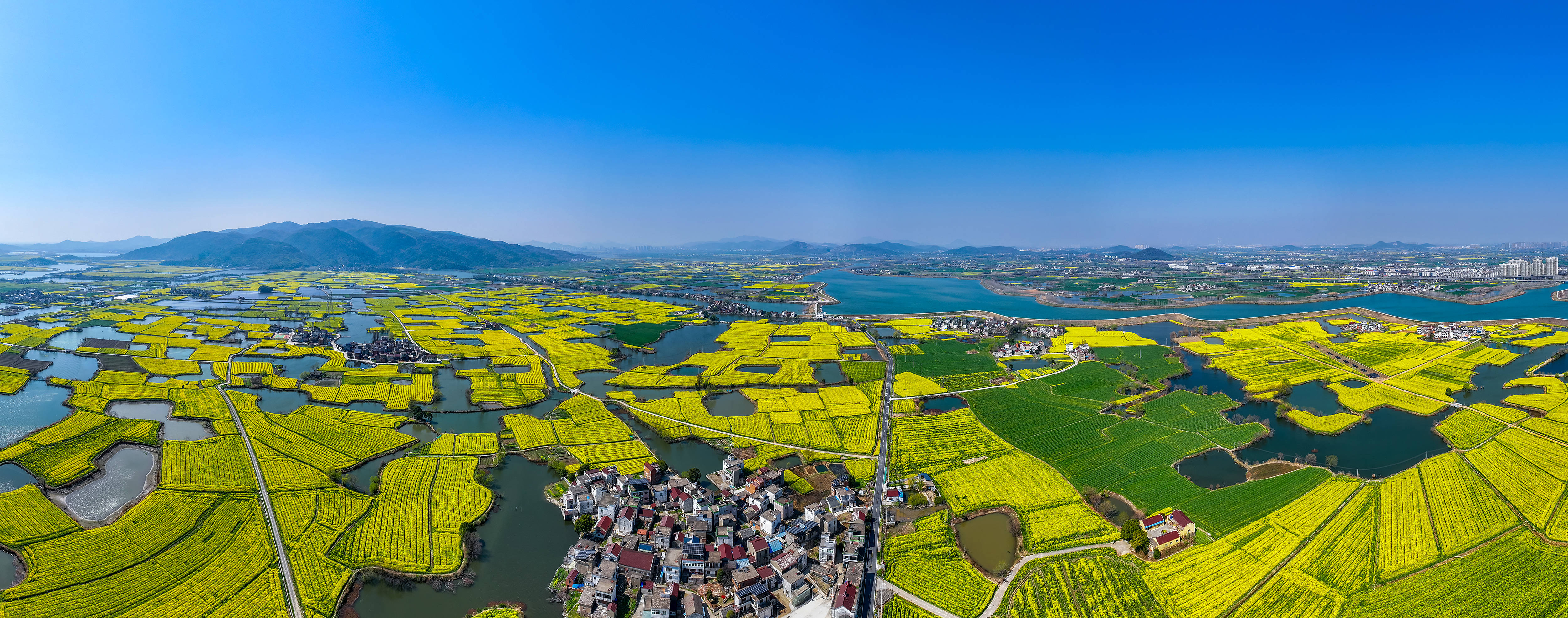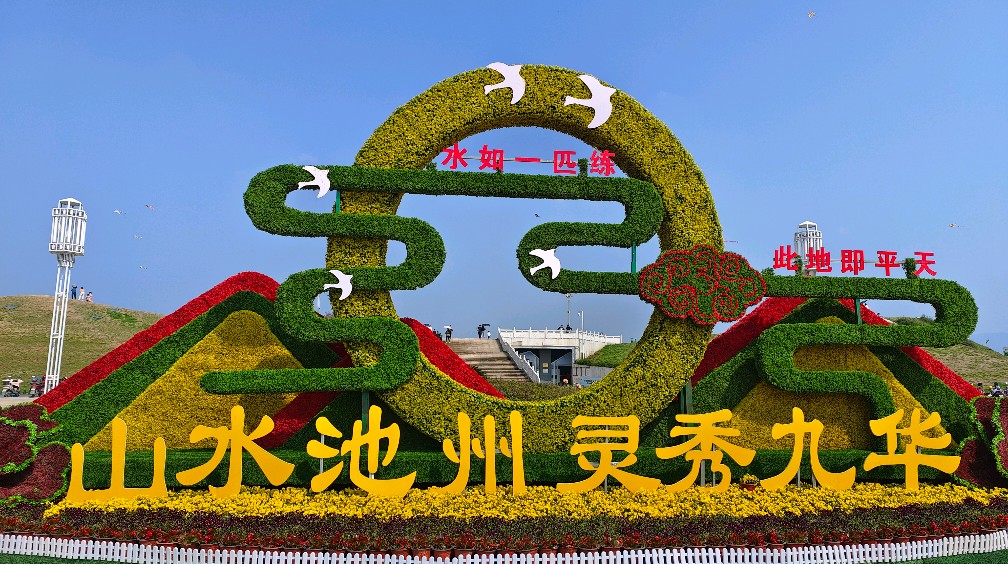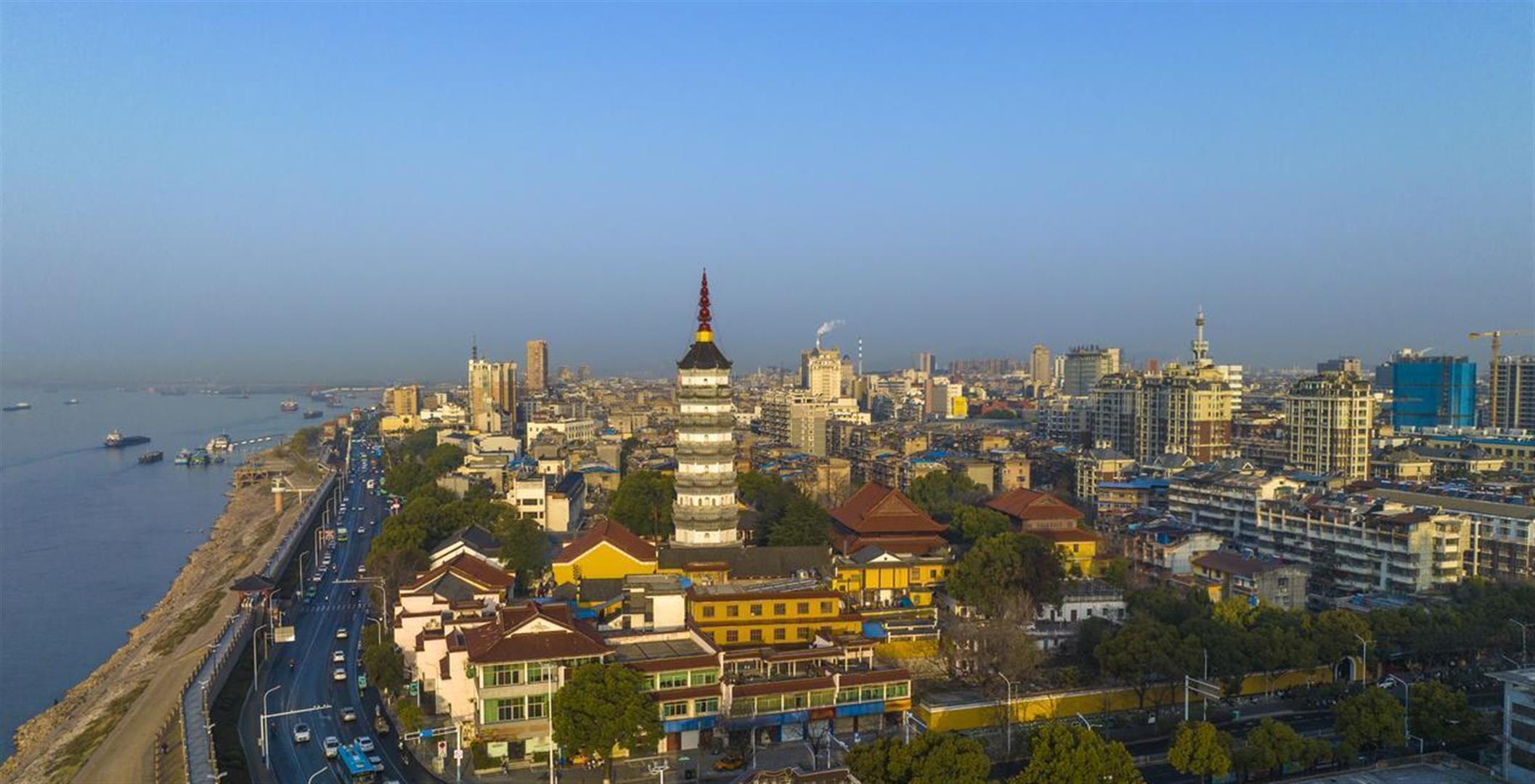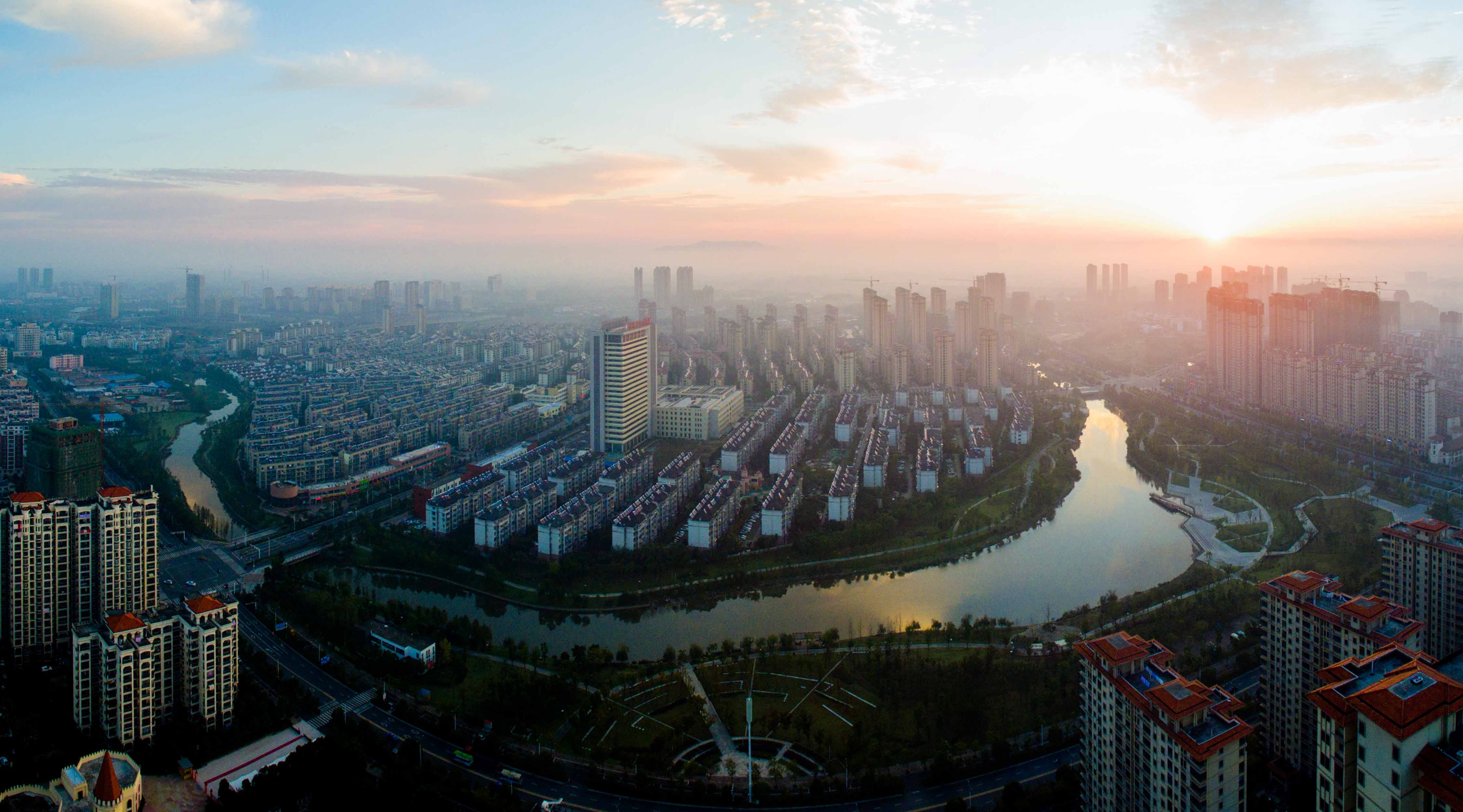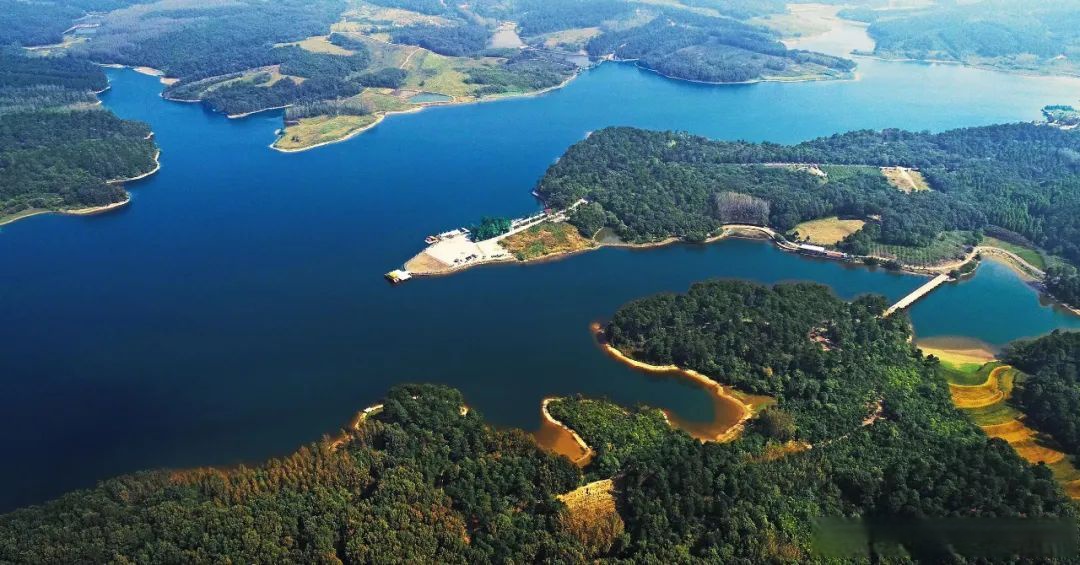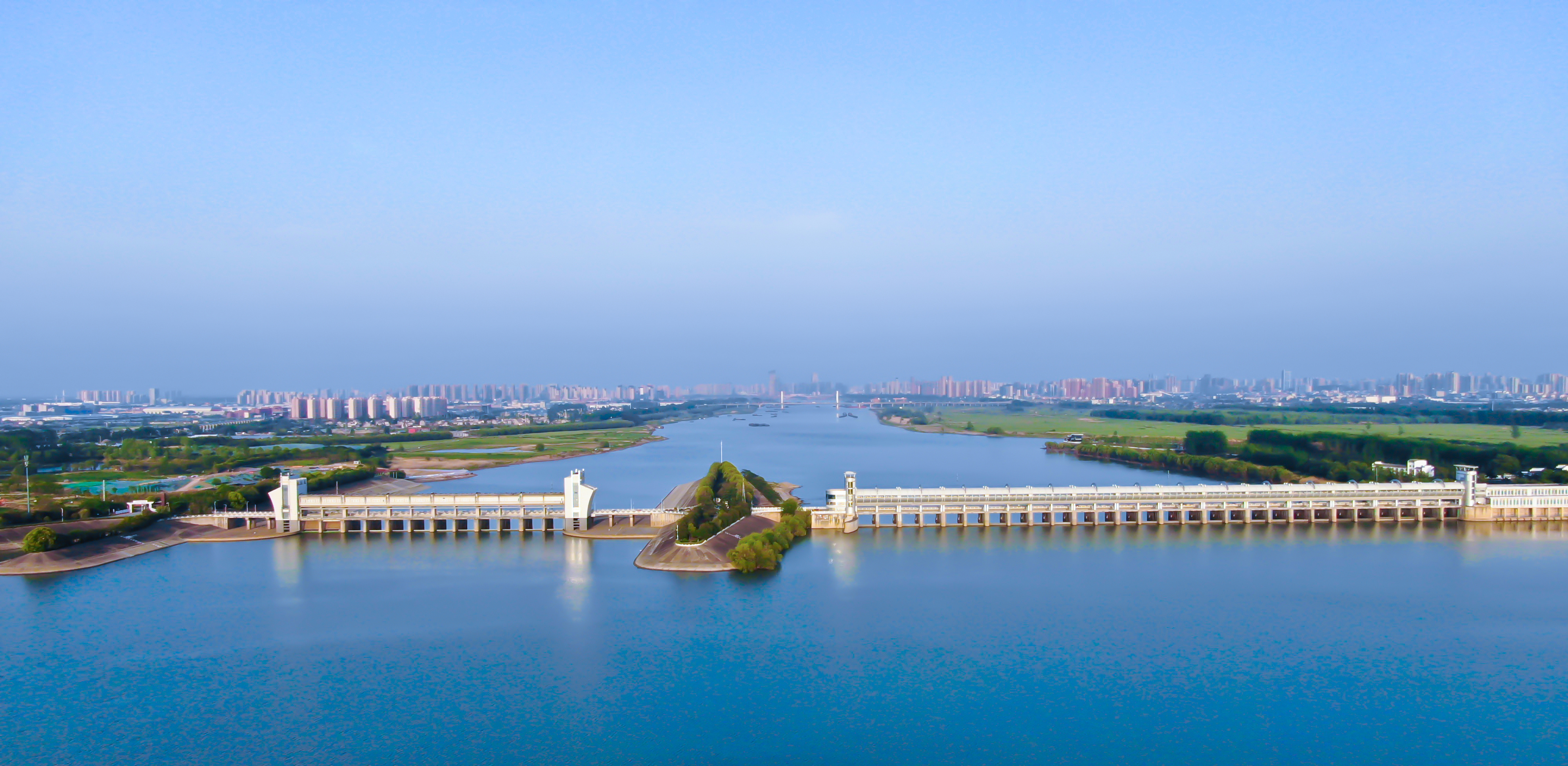
Fuyang city skyline and landmarks (阜阳) - Travel China Guide

Fuyang Travel Guide

A vibrant cultural crossroads on the Huai River plain, known for ancient waterways and spectacular folk acrobatics.

About

Fuyang, located in the northwestern part of Anhui Province on the vast Huai River plain, is one of China's most populous prefecture-level cities. Despite its size, Fuyang is often overlooked by international tourists, making it a hidden gem for those seeking authentic Chinese culture and landscapes.

The city's crown jewel is the Balih e River Scenic Area, a UNESCO Global Geopark that showcases the beauty of Huai River wetland ecosystems. Wooden boardwalks weave through reed beds and lotus ponds where egrets, herons, and cormorants fish in the shallows. Boat tours glide past floating islands carpeted with wildflowers.

Guan Zhong Old Street is a beautifully restored historic thoroughfare named after the legendary Spring and Autumn period reformer. Evening visits are especially atmospheric, with red lanterns illuminating the traditional architecture and the aroma of street food filling the air.

Fuyang is also a centre for folk performing arts. Linquan County's acrobatic tradition spans over 2,000 years, with performers trained from childhood in jaw-dropping feats of balance, flexibility, and strength. The county's Acrobatics Town offers daily performances that rival anything found in larger cities. Meanwhile, the city's cuisine — with its hearty Gela noodles and giant pillow-shaped steamed buns — reflects the honest, generous character of the local people.

History & Development

Fuyang's recorded history spans over 3,000 years. The area was part of the Huai River civilization, one of the cradles of ancient Chinese culture. During the Spring and Autumn period, Guan Zhong — one of China's most famous political thinkers — was born in what is now Fuyang.

The Yingzhou West Lake area was a celebrated cultural centre during the Song Dynasty (960-1279), attracting poets and scholars who wrote verses about its beauty. Su Shi, one of China's greatest literary figures, served as an official here and left behind poems praising the lake.

Linquan County's acrobatic tradition is said to have originated during the Han Dynasty (206 BCE-220 CE) and has been passed down through generations, surviving wars and social changes.

In modern times, Fuyang has grown rapidly as an agricultural and population centre. The city has invested in infrastructure and environmental restoration, transforming the Balih e River area from flood-prone marshland into a world-class wetland park.

Economy & Industries

Fuyang's economy is predominantly agricultural, benefiting from the fertile Huai River plain. Major crops include wheat, corn, soybeans, and cotton. The city is a major food processing centre for northern Anhui.

The Balih e River scenic area has become an important tourism driver, attracting millions of domestic visitors annually and spurring development in hospitality and services.

Fuyang has also developed manufacturing sectors including textiles, machinery, and pharmaceuticals. The large population provides both labour and a substantial domestic consumer market.

Logistics is growing, with the city's location on the Huai River transportation corridor making it a regional distribution hub.

Top Attractions

🏔️ Nature

Balih e River Scenic Area

Balih e River is a UNESCO Global Geopark and one of China's most beautiful wetland landscapes. The scenic area stretches for 8 kilometres along the river, featuring reed marshes, lotus ponds, and bird islands that host hundreds of migratory and resident species. Wooden walkways wind through the wetlands, with viewing towers offering panoramic perspectives. The area is particularly stunning at sunrise and sunset when the water reflects the changing colours of the sky. Boat tours are available.

★★★★ 4.8
🕐 08:00-18:00
🎫 80 yuan
🏛️ Landmark

Guan Zhong Old Street

This restored ancient street is dedicated to Guan Zhong, the renowned prime minister of the Qi State during the Spring and Autumn period who is considered one of China's greatest political reformers. The street features Ming and Qing Dynasty architecture, with traditional shops selling local crafts, calligraphy, and snacks. Evening brings the street to life with lanterns, street food, and occasional traditional music performances.

★★★★ 4.4
🕐 Open daily
🎫 Free
🌳 Park

Yingzhou West Lake

Not to be confused with its more famous namesake in Hangzhou, Yingzhou West Lake is a classical Chinese garden and scenic area with a history spanning over 1,000 years. The lake features arched bridges, traditional pavilions, willow-lined banks, and lotus-filled waters. During the Song Dynasty, the lake was celebrated by poets including Ouyang Xiu and Su Shi. Today it remains a beloved recreational spot for locals and visitors alike.

★★★★ 4.5
🕐 Open daily
🎫 Free
🌳 Park

Fuyang Ecological Park

A large urban ecological park combining botanical gardens, a zoo, and recreational facilities. The park features themed gardens including a rose garden, bamboo forest, and tropical plant greenhouse. There's also a lake with paddle boats, a children's play area, and walking trails. It's an excellent place for families and nature lovers to spend a relaxing half-day.

★★★★ 4.2
🕐 08:00-17:30
🎫 40 yuan
⛩️ Temple

Taihe Confucian Temple

Built during the Yuan Dynasty and expanded in the Ming and Qing periods, the Taihe Confucian Temple is one of the best-preserved Confucian temples in northern Anhui. The complex features ornate stone archways, grand halls, and ancient cypress trees. The main hall houses a statue of Confucius surrounded by tablets of his disciples. The temple's annual Confucius cultural festival attracts scholars and visitors from across the region.

★★★★ 4.3
🕐 08:00-17:00
🎫 30 yuan
📍 Other

Linquan Acrobatics Town

Linquan County is renowned throughout China for its acrobatic tradition dating back over 2,000 years. The Acrobatics Town features a performance centre, training school, and museum dedicated to this ancient art form. Visitors can watch spectacular performances combining acrobatics, martial arts, and traditional dance. The local government has nurtured this heritage, and Linquan acrobats regularly perform nationally and internationally.

★★★★ 4.6
🕐 Performances: 14:00 and 19:30
🎫 80 yuan (performance)

Food & Culture

Discover the culinary treasures of Fuyang, from traditional street food to imperial cuisine.

Things to Do

🏔️

Explore Balih e Wetlands

Walk the wooden boardwalks through reed marshes and watch hundreds of water birds.

🎭

Watch Linquan Acrobatics

Experience spectacular acrobatic performances with a 2,000-year heritage.

🏛️

Stroll Guan Zhong Street

Wander the lantern-lit ancient street with traditional shops and snacks.

Boat Ride on West Lake

Paddle across the classical lotus-filled lake like Song Dynasty poets.

🍜

Try Signature Foods

Taste Gela noodles, pillow bread, and Sa soup on a food tour of the city.

⛩️

Visit Taihe Temple

Pay respects at one of northern Anhui's finest Confucian temples.

Suggested Itineraries

Fuyang Nature & Culture Day

A well-rounded day covering Fuyang's natural beauty, culture, and cuisine.

  • Morning: Balih e River wetlands exploration
  • Midday: Gela noodles for lunch + Guan Zhong Old Street
  • Afternoon: Yingzhou West Lake stroll
  • Evening: Linquan acrobatics performance

Fuyang Deep Dive Weekend

Full immersion in Fuyang's waterways, heritage, and performing arts.

  • Day 1: Balih e River + Guan Zhong Old Street + West Lake
  • Day 2: Taihe Confucian Temple + Linquan acrobatics + food tasting tour

Getting Around

✈️

Airport

Fuyang Xiguan Airport has direct flights to Beijing, Shanghai, Guangzhou, and other major Chinese cities.

🚄

High-Speed Rail

Fuyang West Station serves the Shangqiu-Hefei and Zhengzhou-Fuyang high-speed railways, reaching Hefei in 1 hour and Zhengzhou in 1.5 hours.

🚌

Bus Network

Comprehensive bus network covers the city. Buses also connect to neighbouring counties and scenic areas.

🚕

Taxi & Rideshare

Available throughout the city

Best Time to Visit

🌸

Spring

Mar - May

★★★★★

Mild temperatures (10-22°C) with blooming flowers and active birdlife at the wetlands. Best for outdoor activities.

  • Bird watching season
  • Comfortable temperatures
  • Blooming gardens
☀️

Summer

Jun - Aug

★★★☆☆

Hot and humid (25-35°C) with frequent summer rain. Lotus flowers are in full bloom.

  • Lotus season
  • Lush wetlands
  • Summer festivals
🍂

Autumn

Sep - Nov

★★★★★

Pleasant temperatures (12-24°C) with clear skies. The best season for wetland photography.

  • Perfect weather
  • Clear light for photos
  • Harvest season produce
❄️

Winter

Dec - Feb

★★☆☆☆

Cold and dry (0-10°C). Fewer tourists but the wetlands still have a stark beauty.

  • No crowds
  • Wintering birds
  • Warm local food

Continue Exploring China

Discover more cities, food guides, and travel inspiration.