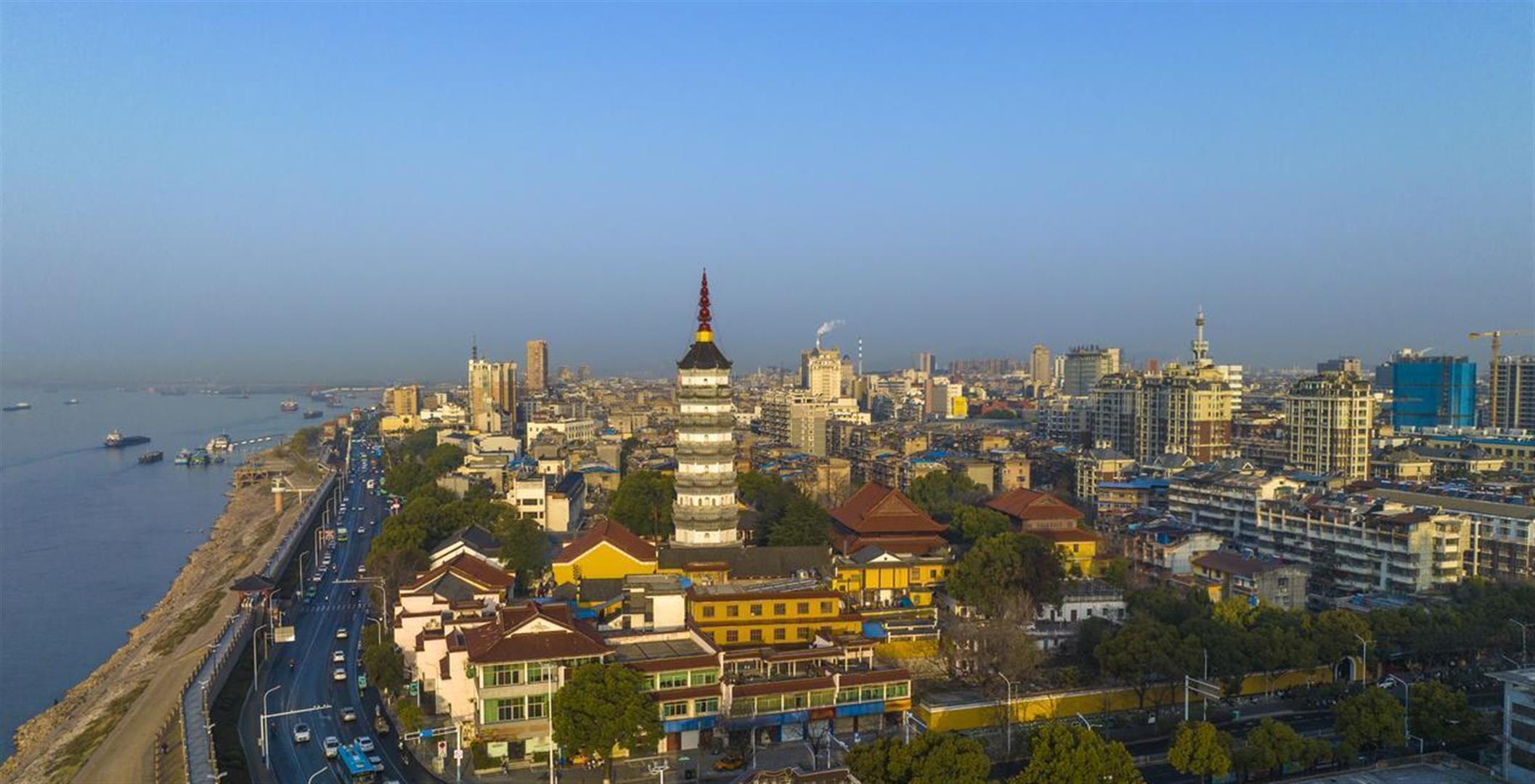
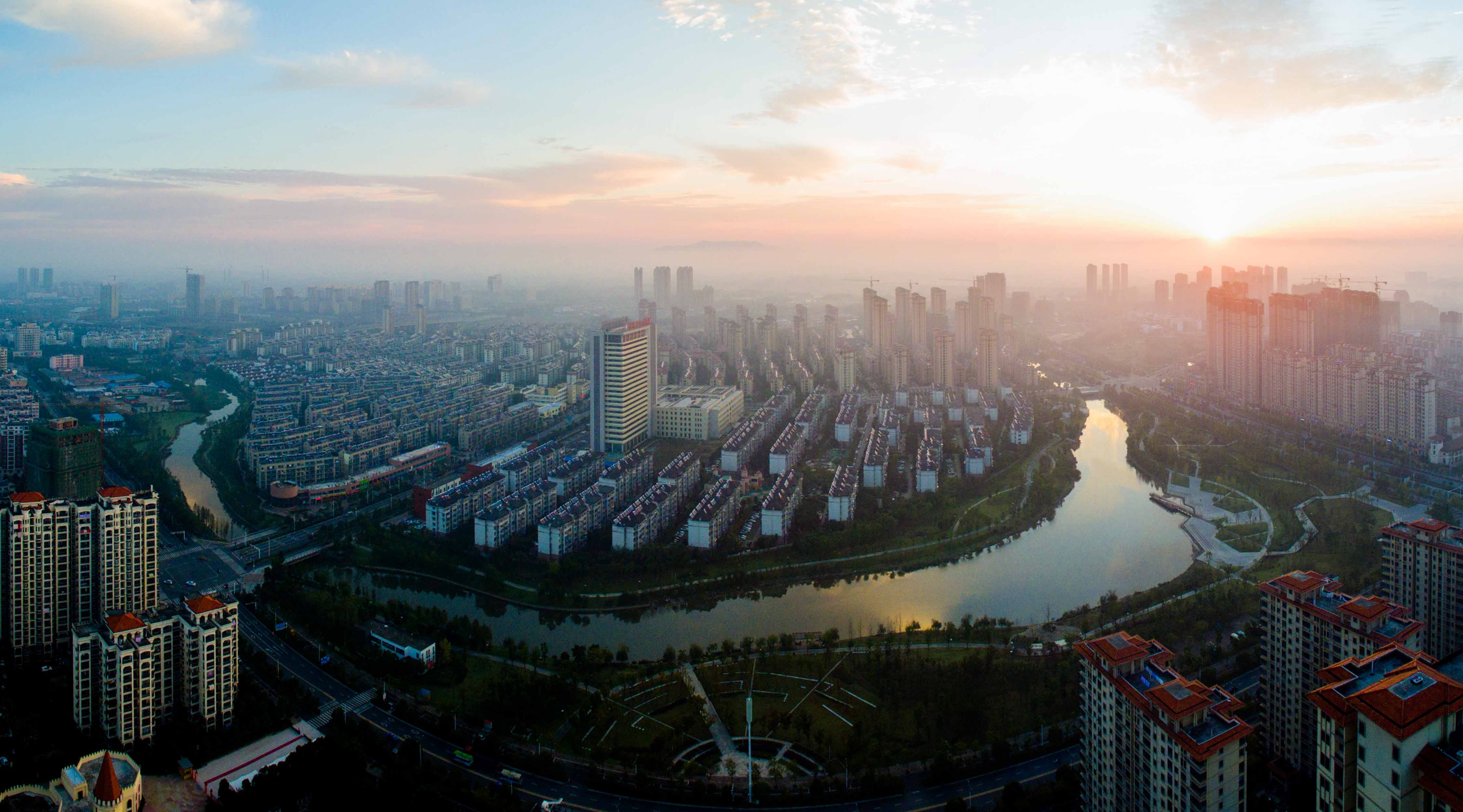
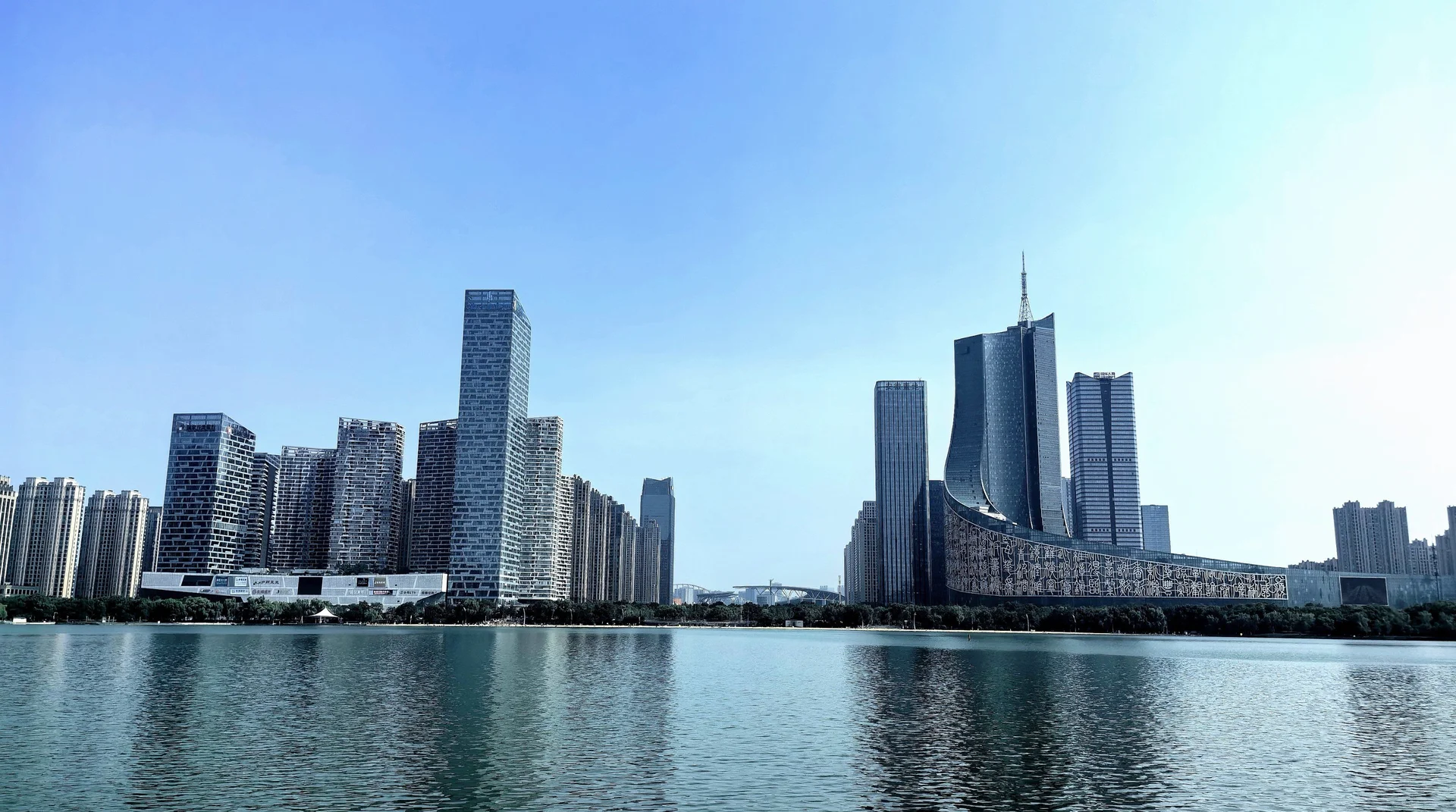
Bozhou city skyline and landmarks (亳州) - Travel China Guide

Bozhou Travel Guide

The ancient hometown of Cao Cao and Hua Tuo, where Three Kingdoms history meets China's finest baijiu tradition.

About

Bozhou, strategically located in the northwestern corner of Anhui Province, is one of China's oldest continuously inhabited cities with over 3,700 years of recorded history. The city is most famous as the hometown of two legendary figures from the Three Kingdoms period: Cao Cao, the brilliant warlord and poet, and Hua Tuo, the pioneering physician regarded as the father of Chinese surgery.

Bozhou's most remarkable attraction is Cao Cao's Underground Military Tunnels, an 8-kilometre network connecting key points beneath the old city. Built to secretly move troops and supplies, these tunnels demonstrate sophisticated ancient military engineering with trap doors, ventilation systems, and deceptive passages that could confuse invaders.

The Huaxilou Opera Stage represents the peak of Qing Dynasty carved wood architecture. Originally part of the Shanxi-Shaanxi merchants' guild hall, the stage is covered with thousands of intricate carvings depicting operas, myths, and historical scenes — every figure and dragon tells a story that rewards careful observation.

Bozhou is also the birthplace of Gujing Gongjiu, a baijiu brand that has been produced here for over 1,800 years. The ancient fermentation pits still in use contain unique microbial cultures passed down through generations, giving the liquor its distinctive character. A visit to the brewery is both a cultural and sensory experience.

History & Development

Bozhou's history extends back over 3,700 years to the Shang Dynasty, when it served as an important settlement. The city reached its peak during the Eastern Han and Three Kingdoms periods (2nd-3rd century CE) as the power base of Cao Cao, who unified northern China and established the Kingdom of Wei.

Cao Cao was not only a military and political genius but also a celebrated poet whose verses are still studied today. His son Cao Pi founded the Wei Dynasty (220-265 CE), formally ending the Han Dynasty. The underground tunnels built by Cao Cao demonstrate his strategic brilliance.

During the Ming and Qing dynasties, Bozhou flourished as a commercial centre, and the Huaxilou opera stage was built by wealthy merchants from Shanxi and Shaanxi. The city's position on the Grand Canal trade network brought prosperity and cultural exchange.

In modern times, Bozhou has grown into a major centre for traditional Chinese medicine, hosting one of China's largest herbal medicine markets. The city balances its ancient heritage with modern industry, particularly in medicine production and liquor brewing.
Economy & Industries

Bozhou's economy is uniquely centred on two traditional industries: Chinese herbal medicine and baijiu brewing. The Bozhou Traditional Chinese Medicine Market is one of China's largest, trading thousands of herbal varieties and attracting buyers from across Asia.

Gujing Gongjiu distillery is a major economic driver, employing thousands and exporting worldwide. The company has modernised production while preserving ancient fermentation techniques, making it both a cultural treasure and an economic powerhouse.

Agriculture remains significant, with the surrounding plains producing wheat, corn, soybeans, and medicinal herbs. The city has also developed food processing, pharmaceutical manufacturing, and logistics industries.

Tourism is growing steadily, with the underground tunnels and Huaxilou drawing increasing numbers of domestic visitors.

Top Attractions

🏛️ Landmark

Cao Cao Underground Military Tunnels

A vast network of underground tunnels built during the late Eastern Han Dynasty by the warlord Cao Cao. Stretching over 8 kilometres beneath Bozhou's old city, these passages were used to secretly move troops and supplies. The tunnels feature ingenious defensive designs including trap doors, ventilation shafts, and misleading branches. Visitors can walk through restored sections and marvel at this remarkable feat of ancient military engineering.

★★★★ 4.8
🕐 08:00-17:30
🎫 50 yuan
🏛️ Landmark

Huaxilou Opera Stage

Originally built as the imperial palace of the Qing Dynasty's Shanxi and Shaanxi merchants' guild, Huaxilou is famed for its stunning opera stage. The wooden stage is covered floor to ceiling with intricate carvings depicting scenes from Chinese opera, mythology, and historical tales. Every surface tells a story — warriors, deities, dragons, and phoenixes carved with extraordinary detail. A masterpiece of Qing Dynasty decorative art.

★★★★ 4.7
🕐 08:00-17:30
🎫 60 yuan
⛩️ Temple

Hua Tuo Temple

A tranquil temple complex dedicated to Hua Tuo, the legendary physician of the Three Kingdoms period who is regarded as the father of Chinese surgery. The temple features exhibition halls displaying ancient medical instruments, herbal remedies, and calligraphy. Hua Tuo is famous for inventing anaesthesia (mafeisan) and surgical procedures centuries ahead of their time. The serene courtyard garden with medicinal herbs offers a peaceful retreat.

★★★★ 4.5
🕐 08:00-17:00
🎫 40 yuan
🎭 Museum

Gujing Baijiu Cultural Museum

Located at the birthplace of Gujing Gongjiu, one of China's most prestigious baijiu brands, this museum traces 1,800 years of brewing heritage. Visitors tour ancient fermentation pits dating to the Northern Song Dynasty, see traditional distillation methods, and learn about the art of baijiu production. The museum includes Ming and Qing Dynasty cellars still in use, making it a living monument to Chinese liquor culture.

★★★★ 4.4
🕐 08:30-17:00
🎫 60 yuan
⛩️ Temple

Tianjing Palace

Legendary as the birthplace of Laozi, the founder of Taoism, this grand Taoist temple complex dates back over 2,000 years. Situated in the tranquil countryside of Guoyang County, the palace features magnificent halls, ancient cypress trees, and a serene atmosphere perfect for contemplation. The complex has been rebuilt and expanded over centuries, with the current structures dating mainly from the Ming and Qing dynasties.

★★★★ 4.3
🕐 08:00-17:00
🎫 30 yuan
🎭 Museum

Bozhou Museum

A comprehensive museum showcasing Bozhou's 3,700-year history, with particular emphasis on the Three Kingdoms period. Exhibits include pottery, bronze vessels, jade artifacts, and military equipment excavated from local archaeological sites. A dedicated section covers the life and legacy of Cao Cao, featuring replicas of his poems, weaponry, and personal items. Excellent introduction to the city's historical significance.

★★★★ 4.2
🕐 09:00-17:00 (closed Mon)
🎫 Free

Food & Culture

Discover the culinary treasures of Bozhou, from traditional street food to imperial cuisine.

Things to Do

🏛️

Explore the Underground Tunnels

Walk through Cao Cao's 1,800-year-old military tunnels beneath Bozhou's old town.

Admire Huaxilou Carvings

Study the extraordinary wood carvings covering every surface of this Qing Dynasty opera stage.

🍜

Taste Gujing Gongjiu

Visit the distillery museum and sample one of China's most celebrated baijiu brands.

⛩️

Visit Hua Tuo's Temple

Pay respects at the temple of China's legendary ancient surgeon.

Cycle the Old City

Explore Bozhou's historic streets, traditional shops, and local food stalls by bicycle.

Taoist Pilgrimage

Visit Tianjing Palace, the legendary birthplace of Laozi and Taoist philosophy.

Suggested Itineraries

Bozhou Heritage Day

A comprehensive one-day tour covering Bozhou's Three Kingdoms heritage and culinary culture.

  • Morning: Cao Cao Underground Tunnels + Huaxilou Opera Stage
  • Midday: Local lunch — beef pie and Cao Cao's chicken
  • Afternoon: Hua Tuo Temple + Bozhou Museum
  • Evening: Gujing Gongjiu tasting dinner

History & Baijiu Weekend

Deep dive into Bozhou's unique blend of military history, Taoist heritage, and baijiu culture.

  • Day 1: City centre sites — tunnels, Huaxilou, Hua Tuo Temple
  • Day 2: Gujing distillery tour + Tianjing Palace in Guoyang County

Getting Around

✈️

Airport

Bozhou does not have its own airport. Nearest airports are Hefei Xinqiao Airport (about 280km) and Zhengzhou Xinzheng Airport (about 260km).

🚄

High-Speed Rail

Bozhou South Station serves the Shangqiu-Hefei High-Speed Railway, reaching Hefei in 1 hour and Zhengzhou in 1.5 hours.

🚌

Bus Network

City buses connect main attractions. Taxis and ride-hailing apps are widely available and affordable.

🚕

Taxi & Rideshare

Available throughout the city

Best Time to Visit

🌸

Spring

Mar - May

★★★★★

Mild temperatures (12-22°C) with blooming flowers. Perfect for sightseeing and outdoor exploration.

  • Pleasant weather
  • Blooming gardens
  • Herb market season
☀️

Summer

Jun - Aug

★★★☆☆

Hot and humid (25-35°C) with occasional rain. Mornings and evenings are best for outdoor activities.

  • Underground tunnels offer cool escape
  • Lush green scenery
  • Evening food stalls
🍂

Autumn

Sep - Nov

★★★★★

Clear skies and comfortable temperatures (10-24°C). The best season for photography and brewery tours.

  • Perfect weather
  • Clear skies
  • Harvest season for herbs
❄️

Winter

Dec - Feb

★★☆☆☆

Cold and dry (0-10°C) with occasional frost. Fewer tourists and lower prices.

  • No crowds
  • Lower prices
  • Warm local cuisine

Continue Exploring China

Discover more cities, food guides, and travel inspiration.