A single Chinese city holds China's largest imperial garden, the wildest unrestored section of the Great Wall, a man-made forest that won a United Nations Earth Award, and grasslands where you can ride horses under the Milky Way. That city is Chengde — and it's one hour from Beijing by high-speed rail.
Chengde was the Qing Dynasty's true power center. Every summer for over 150 years, the entire imperial court — emperor, ministers, concubines, and thousands of staff — decamped from Beijing's Forbidden City to the Chengde Mountain Resort. Here, the Qianlong Emperor received foreign envoys, negotiated border treaties, and built a mini-Tibet of temples in the hills. The Qing dynasty was, in many ways, run from Chengde.
This 7-day guide covers the full spectrum: imperial gardens, Tibetan Buddhist temples, a sunrise hike on the Great Wall's wildest section, a forest miracle three generations in the making, and two nights under the Milky Way on the Mongolian border. All researched from real traveler experiences on Xiaohongshu (2025–2026). Budget from ¥2,400 (~$330) per person.
Why Chengde
Chengde sits 200 km northeast of Beijing — reachable in one hour by high-speed rail. The Qianlong Emperor called it the "Purple Pearl Beyond the Pass." Today, Xiaohongshu travel blogger 自由的白 (1,462 likes) describes it in one line: "One Chengde city, half of Qing Dynasty history."
This is not a place for hurried day trips. The Mountain Resort alone covers 5.64 km² — larger than Beijing's Summer Palace and Old Summer Palace combined. The Jinshanling Great Wall, 130 km away, is the photographer's choice over crowded Badaling. And Saihanba, three hours north, is proof that humanity can undo environmental destruction when given 60 years and enough determination.
Before You Go
Best Seasons
- Summer (Jun–Aug): Peak season — Mountain Resort lives up to its name as a genuine summer escape. Saihanba and Bashang are lush green. Expect crowds and higher prices.
- Autumn (Sep–Oct): Photographers' heaven. Grasslands turn gold, forests blaze with color. Avoid Golden Week (Oct 1–7) — Saihanba becomes gridlock.
- Spring (Apr–May): Few tourists, the Mountain Resort gardens bloom, and Jinshanling Great Wall is framed by wildflowers.
What to Pack
- Sunscreen, hat, sunglasses — Bashang UV is intense
- Light jacket or windbreaker — 15°C day/night swing on the grassland
- Sturdy hiking shoes — Jinshanling has steep sections
- Power bank — Saihanba has patchy signal and no charging points
- Insect repellent — grassland mosquitoes are relentless
Day 1: Arrival & Imperial First Impressions
Morning: Beijing → Chengde
Take the high-speed train from Beijing to Chengde South Station — only one hour, about ¥50–80. From the station, a taxi or bus ride takes you to hotels near the Mountain Resort area. Recommended: Quanji Hotel (¥210/night) or Sofia Hotel (¥138/night), both walking distance to all city attractions.
Afternoon: Tiger-Skin Palace Wall & Longquan Park
Walk the 1.66 km Tiger-Skin Palace Wall (虎皮宫墙) — a royal perimeter wall built in 1903. In morning light, the red wall winds like a dragon through the city. Stop at Longquan Park to watch locals practice tai chi and play chess under ancient trees.
Evening: Lishui Morning Market & First Dinner
Despite its name, the Lishui Morning Market has stalls open into the afternoon — fresh produce, steaming almond tea, and nan-sha cakes. For dinner: Lao San Yang Tang (老三羊汤) for Pingquan mutton soup, Chengde's signature breakfast-turned-anytime-meal.
Days 2–3: Mountain Resort, Temples & Pinnacle Peak
Day 2: Mountain Resort — Full Day ¥130
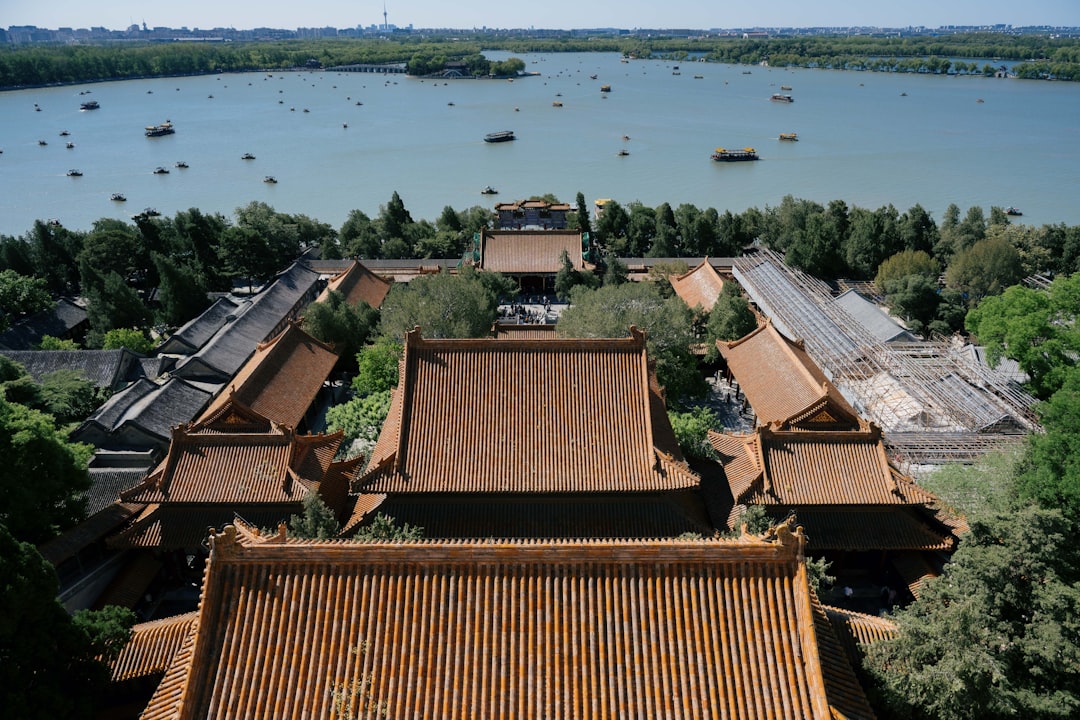
The Mountain Resort (避暑山庄) is China's largest surviving imperial garden — a UNESCO World Heritage Site. It covers 5.64 km² (twice the size of Beijing's Summer Palace) and took 89 years to build. It is divided into three zones:
Palace Zone (Morning, ~2h): The Danbojingcheng Hall — built entirely from golden nanmu wood without a single iron nail. The Pine-Crane Study where the Qianlong Emperor read reports. The Ravine of Ten Thousand Pines where the Kangxi Emperor retreated to write poetry.
Lake Zone (Afternoon, ~3h): Misty Rain Tower — the filming location for the hit drama My Fair Princess. Golden Hill Pavilion for panoramic views. Water-Center Pavilion with its perfect reflection — the most photogenic spot in the entire resort.
Hill Zone (Optional, ~2h): Covers two-thirds of the resort. Take the shuttle bus (¥50) or hike. Route: Erma Trail → Simian Yunshan → Zhuyuan Temple. At the top: a sweeping view of the Eight Outer Temples and Qingchui Peak.
Day 3 Morning: Puning Temple ¥60
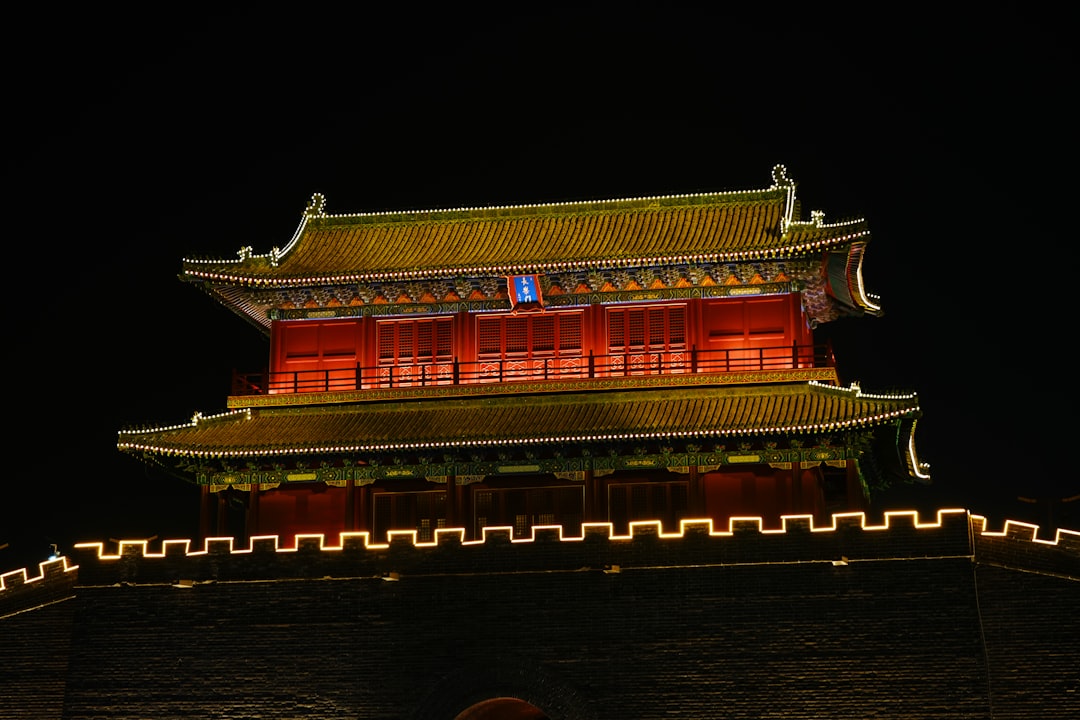
Puning Temple houses the world's largest wooden Guanyin statue (27.21 m tall) inside the Mahayana Pavilion. The temple blends Han Chinese and Tibetan architecture — a deliberate Qing policy of cultural integration. Pilgrims come to pray; tourists come to stand in silence beneath a four-story goddess carved from five types of wood. No photography inside the main hall.
Day 3 Afternoon: Putuo Zongcheng Temple & Qingchui Peak
The Putuo Zongcheng Temple — nicknamed "Little Potala Palace" — is a scaled replica of Lhasa's Potala, built in 1771 for the Qianlong Emperor's 60th birthday. Its red-walled main structure dominates the hillside.
End the day at Qingchui Peak National Forest Park (磬锤峰, cable car ¥80 round-trip). The summit rock formation looks like an upside-down club — hence the nickname "Hammer Mountain." Sunset from the top overlooks all of Chengde and the Mountain Resort.
Day 4: Jinshanling Great Wall — Sunrise Hike ¥65
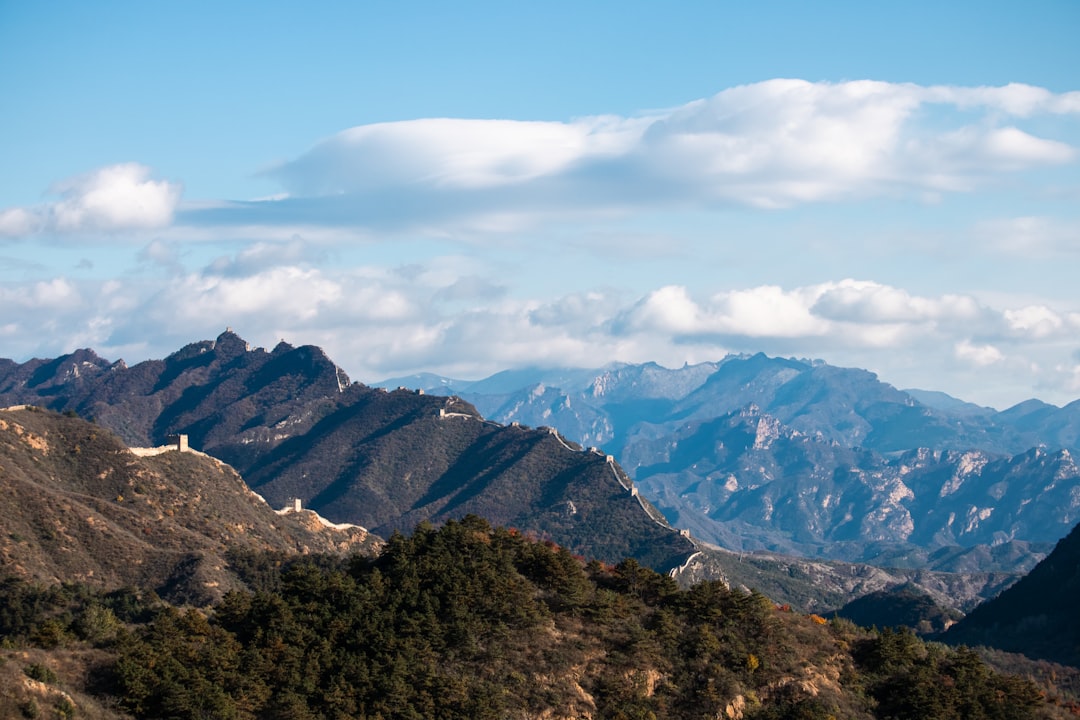
Jinshanling (金山岭), located 130 km from Chengde in Luanping County, is the most photogenic section of the Ming Great Wall. Unlike Badaling's reconstructed convenience, Jinshanling keeps its original Ming character — dense watchtowers, crumbling battlements, and a serpentine wall snaking across mountain ridges.
For sunrise, stay overnight at a farmhouse near the scenic area (¥150–200/night) and start hiking at 4:30 AM. The golden light hitting the wall at dawn is worth every lost hour of sleep.
Hiking route (4–5 hours): Zhuanduokou → Jinshanling East → General Tower → Big Jinshan Tower → Small Jinshan Tower → West Five-Eye Tower. Best photo angles at Big Jinshan Tower and West Five-Eye Tower. Morning mist makes the wall appear to float — the most photogenic weather condition.
Days 5–6: Saihanba Forest & Bashang Grassland
Day 5: Journey into the Forest ¥130
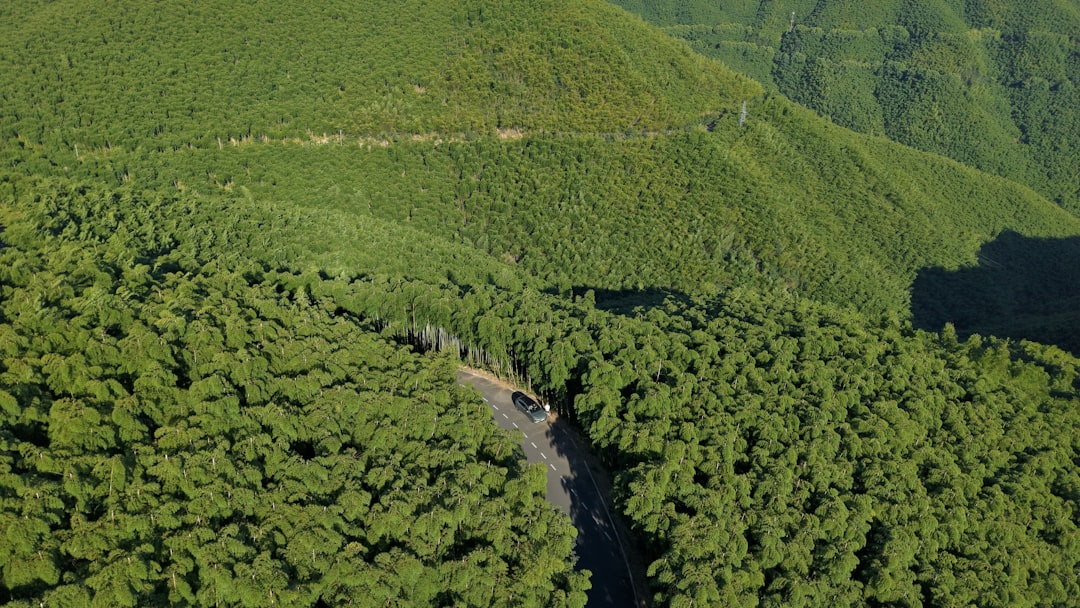
Drive 3 hours north from Chengde along the Cheng-Wei Expressway. The landscape transforms: city → hills → endless forest. Saihanba (塞罕坝) is the world's largest man-made forest — 750 km² planted over 60 years by three generations of foresters. In 2017, it won the UN's "Champions of the Earth" Award. Xiaohongshu traveler 雨雨00, who grew up in Yunnan's primeval forests, wrote: "I was stunned. The perfectly aligned rows of trees, the immaculately maintained lawns — it kept surprising me."
Day 5 itinerary: Check into a hotel near Jixie Forest Farm (¥150–300/night). Afternoon: Seven-Star Lake Wetland (free) — migratory birds and still-water reflections. Sunset: Sun Lake — a 0.4-hectare natural lake reflecting the evening sky, "every snapshot looks like an oil painting."
Day 6: Bashang Grassland — Horses, Off-Road & Milky Way
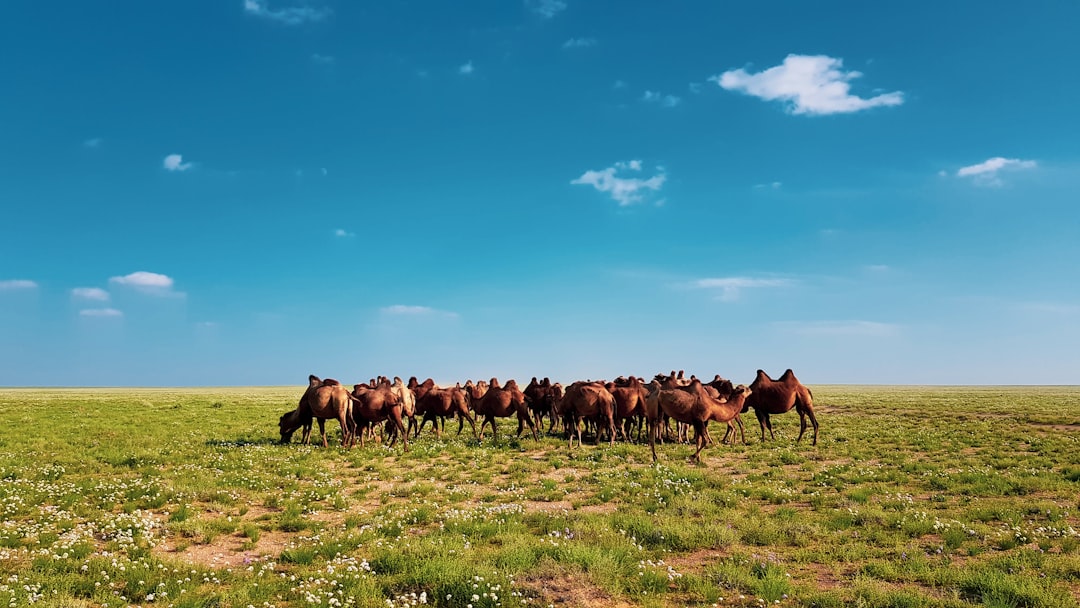
Drive 30 minutes south from Saihanba to Yudaokou Grassland Scenic Area — part of the Qing imperial hunting grounds where the Kangxi Emperor held the "Mulan Autumn Hunt." Today, the grasslands stretch to the horizon, herds of cattle and horses cross the road, and wind turbines turn slowly on distant ridges.
Morning: Moon Lake (wetland flowers in July–August), Hundred-Flower Slope, Grand Canyon overlook.
Afternoon: Horseback riding (¥80–120/half-hour from licensed stables — avoid roadside touts). Off-road vehicle tours (¥200–300/person) reach deeper grassland that regular cars can't access.
Evening: Mongolian yurt bonfire + whole roast lamb dinner (¥200–300/person).
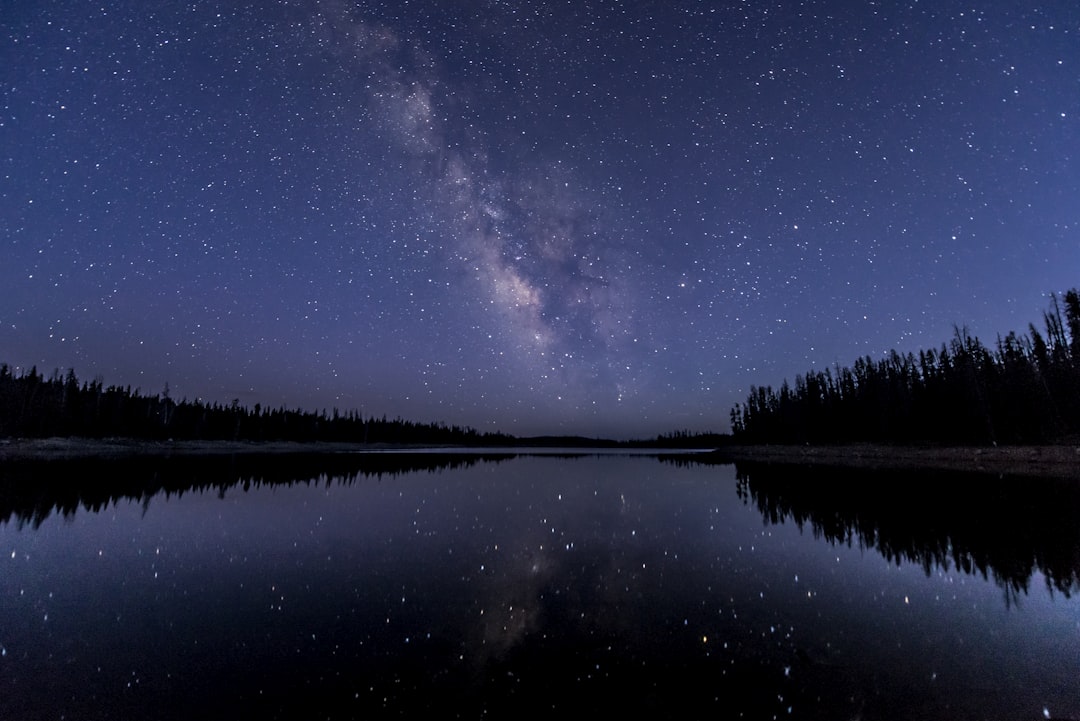
Night: Bashang has zero light pollution. On a clear night, the Milky Way arches across the entire sky. Bring a tripod for long-exposure astrophotography — this is the shot that makes the whole trip worth it.
Day 7: Return, Twin Pagodas & Souvenirs
Drive back from Saihanba to Chengde (3 hours). Afternoon: visit Twin Pagoda Mountain (双塔山) — two 30-meter stone pillars with Liao Dynasty pagodas on top (cable car ¥60 round-trip, panoramic city views).
Then shop for souvenirs: almond products (Chengde is China's almond capital), nan-sha cakes, fern and mushroom specialties from Saihanba, and Yuxian paper-cutting (Hebei intangible cultural heritage).
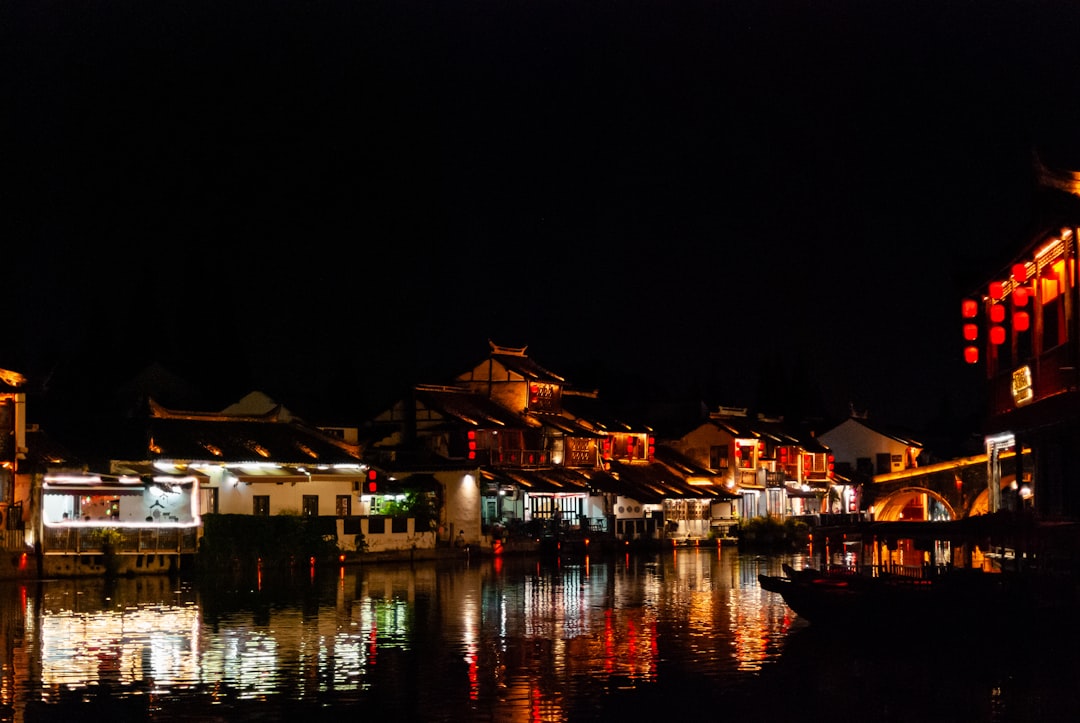
Evening: one last walk along the Wulie River, watching the lights come on across the water. Seven days in Chengde — and you've only scratched the surface.
Chengde Food Guide
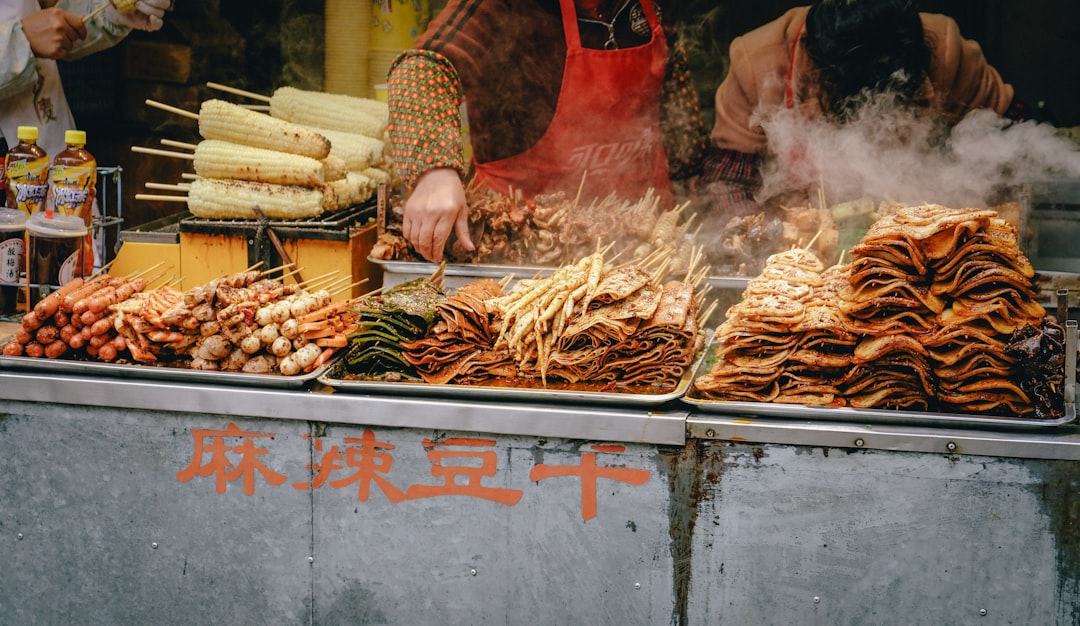
- 🍜 Pingquan Mutton Soup (平泉羊汤) — Chengde's soul food. Lamb and offal simmered into a milky broth, served with sesame flatbread. Not gamey, just deeply savory. Find it at Lao San Yang Tang or Qingzhen Xilan Laodingjia.
- 🍵 Almond Tea (杏仁茶) — Chengde almonds turned into a jelly-like dessert, refreshing and cooling. Try at Xing Hao Yujian Ni.
- 🍝 Buckwheat Heluo Noodles (荞面饸饹) — Northern-style noodles topped with rich gravy. Found at street-side stalls everywhere.
- 🥮 Nan-Sha Cake (南沙饼) — Flaky sugar pastry, sweet but not cloying. The classic Chengde souvenir.
- ✂️ Scissor-Cut Noodles (剪刀面) — Chewy noodles drenched in concentrated sauce. Xianghexing Scissor Noodles is the go-to spot.
- 🐑 Whole Roast Lamb (烤全羊) — Bashang specialty. Crispy outside, tender inside. Mongolian yurt dinner experience (¥200–300/person).
- 🥟 Shaomai (烧卖) — Northern-style open-topped dumplings, found in breakfast shops across the city.
Getting Around
| Route | Mode | Duration | Cost |
|---|---|---|---|
| Beijing → Chengde | HSR | 1 hour | ¥50–80 |
| Chengde city internal | Taxi | 5–15 min | ¥10–15/ride |
| Chengde → Jinshanling | Car | 2 hours | ¥200–300 rental/day |
| Chengde → Saihanba | Car | 3 hours | Included in rental |
| Mountain Resort shuttle | Bus | Hill zone | ¥50 |
Essential: Rent a car in Chengde for Days 4–6 (Saihanba and Jinshanling are inaccessible by public transit). Rent from a reputable company — there are reports of rental scams in the Saihanba area. DiDi works in Chengde city. Download Gaode Maps (Amap) for navigation.
Budget Breakdown (7 Days, Per Person)
| Category | Cost (¥) |
|---|---|
| Chengde hotels (3 nights) | 400–600 |
| Saihanba/Jinshanling (3 nights) | 450–700 |
| Transport (car rental + fuel) | 800–1,200 |
| Attraction tickets | 400–600 |
| Food & dining | 500–700 |
| TOTAL | ¥2,550–3,800 (~$350–525) |
Budget travelers staying in hostels and eating street food can manage ¥2,400 (~$330). Mid-range comfort: ¥3,600 (~$500). Prices assume two sharing a rental car and hotel rooms.
Practical Tips & Warnings
- Avoid Golden Week (Oct 1–7): Saihanba becomes gridlocked. Prices triple. June or September are the sweet spots.
- Buy combo tickets: Mountain Resort + Puning Temple + Qingchui Peak combo saves money vs. individual tickets.
- Rent from Chengde city: Rental scams reported in Saihanba — old cars break down, you get blamed. Rent from reputable agencies in Chengde.
- Licensed horse stables only: Roadside horseback touts are aggressive and often overcharge. Use established stables with insurance.
- Saihanba dining: à la carte only: Set meals are frequently overpriced and low quality. Check reviews before choosing restaurants.
- Sun Lake twice: Visit once for sunrise serenity, once for sunset drama. Two completely different moods.
- Full day at Mountain Resort: Half a day is not enough. Palace zone + lake zone + hill zone deserves a full day minimum.
- Grassland insect defense: Long pants, long sleeves, DEET repellent. The mosquitoes are legendary.
Sources & References
- 自由的白 — "一座承德城,半部清史话" (Xiaohongshu, Aug 2025, 1462 likes)
- 雨雨00 — "旅居第17站|承德7天自驾" (Xiaohongshu, Jan 2026)
- 甜筒Killer — "太震撼了,这就是塞罕坝!" (Xiaohongshu, Jun 2025, 1091 likes)
- UNESCO World Heritage — Mountain Resort and its Outlying Temples, Chengde
- UNESCO World Heritage — The Great Wall
- Photos: Unsplash (free commercial license), photographers credited in captions