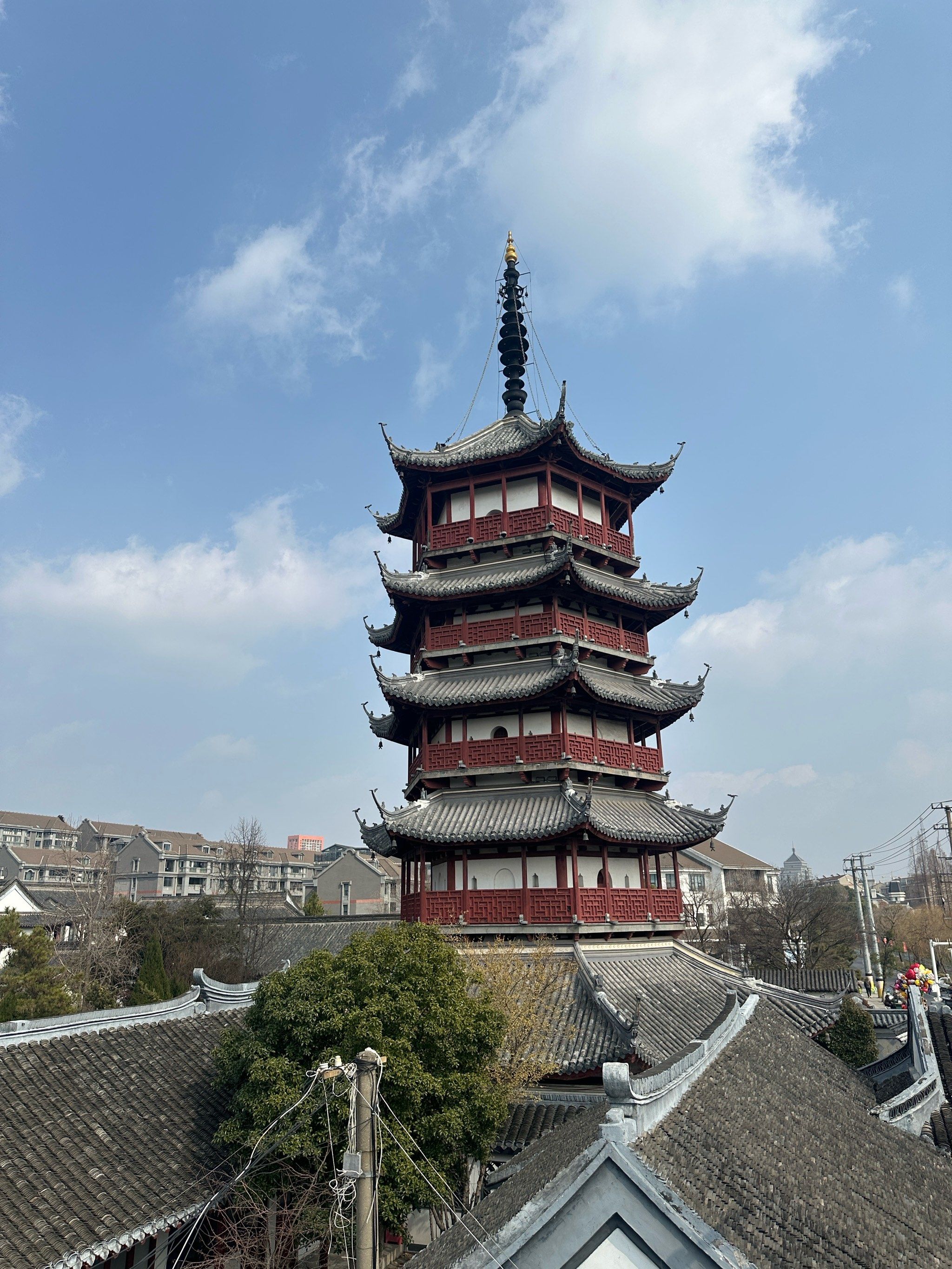
Zhenjiang's history spans over 3,000 years, beginning as a strategic military outpost. The city's location at the Yangtze-Grand Canal intersection made it invaluable for controlling river traffic and defending the lower Yangtze region.
During the Three Kingdoms period (220-280), the warlord Sun Quan established an iron-walled fortress here, known as the "Iron Urn City." The ruins still stand on Beigushan, where visitors can imagine the fierce battles described in classic literature.
The Tang and Song dynasties (618-1279) marked Zhenjiang's cultural flowering. Poets like Wang Anshi and Su Shi wrote immortal verses about the city's dramatic landscapes. The Jinshan Temple became one of China's four famous Buddhist temples, attracting pilgrims from across East Asia.
The Ming and Qing periods (1368-1911) saw Zhenjiang's commercial peak. The city became a major grain transport hub and developed its famous vinegar industry. Western influence arrived in the 19th century when Zhenjiang opened as a treaty port, bringing modern industry and architecture.
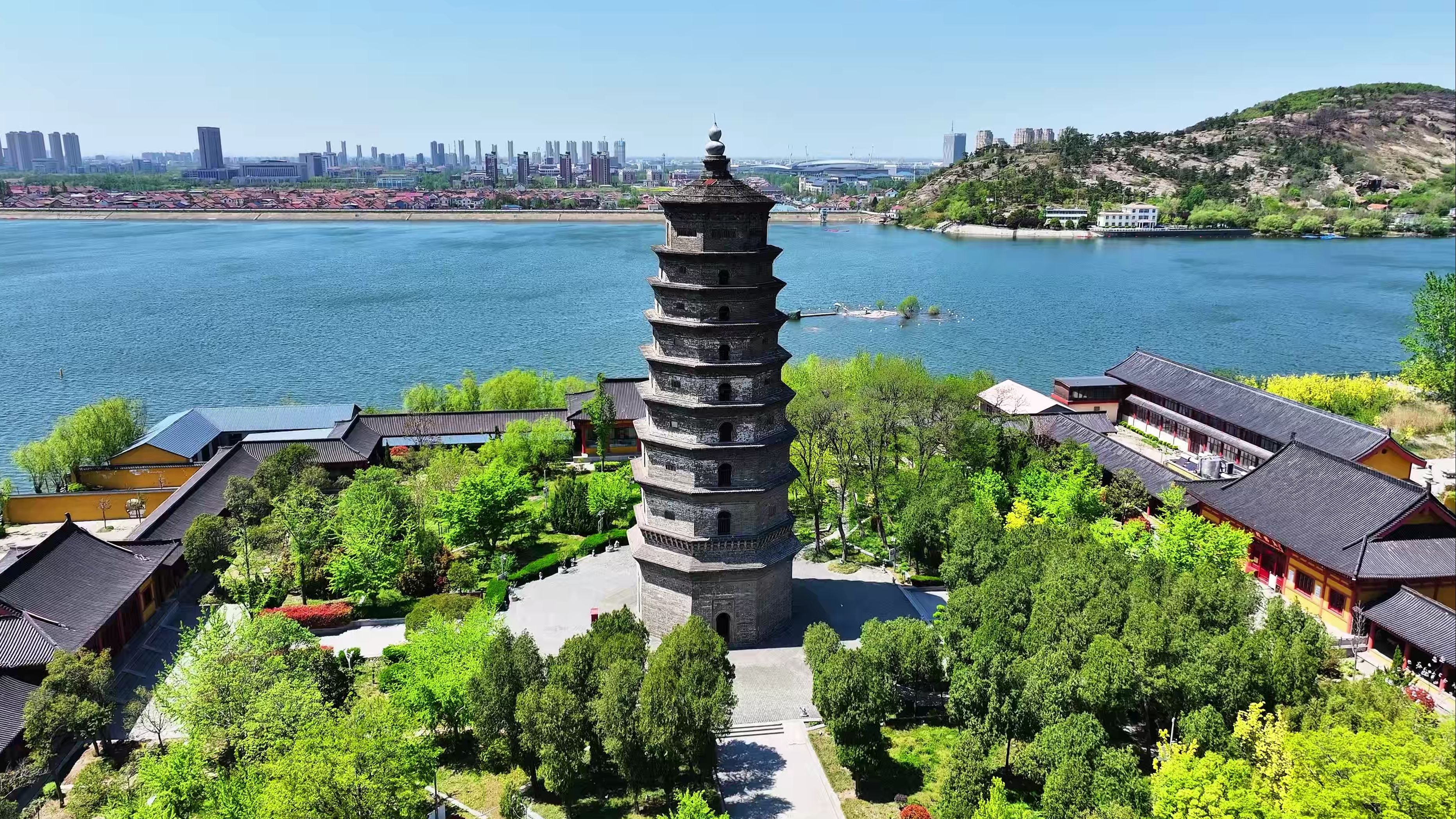
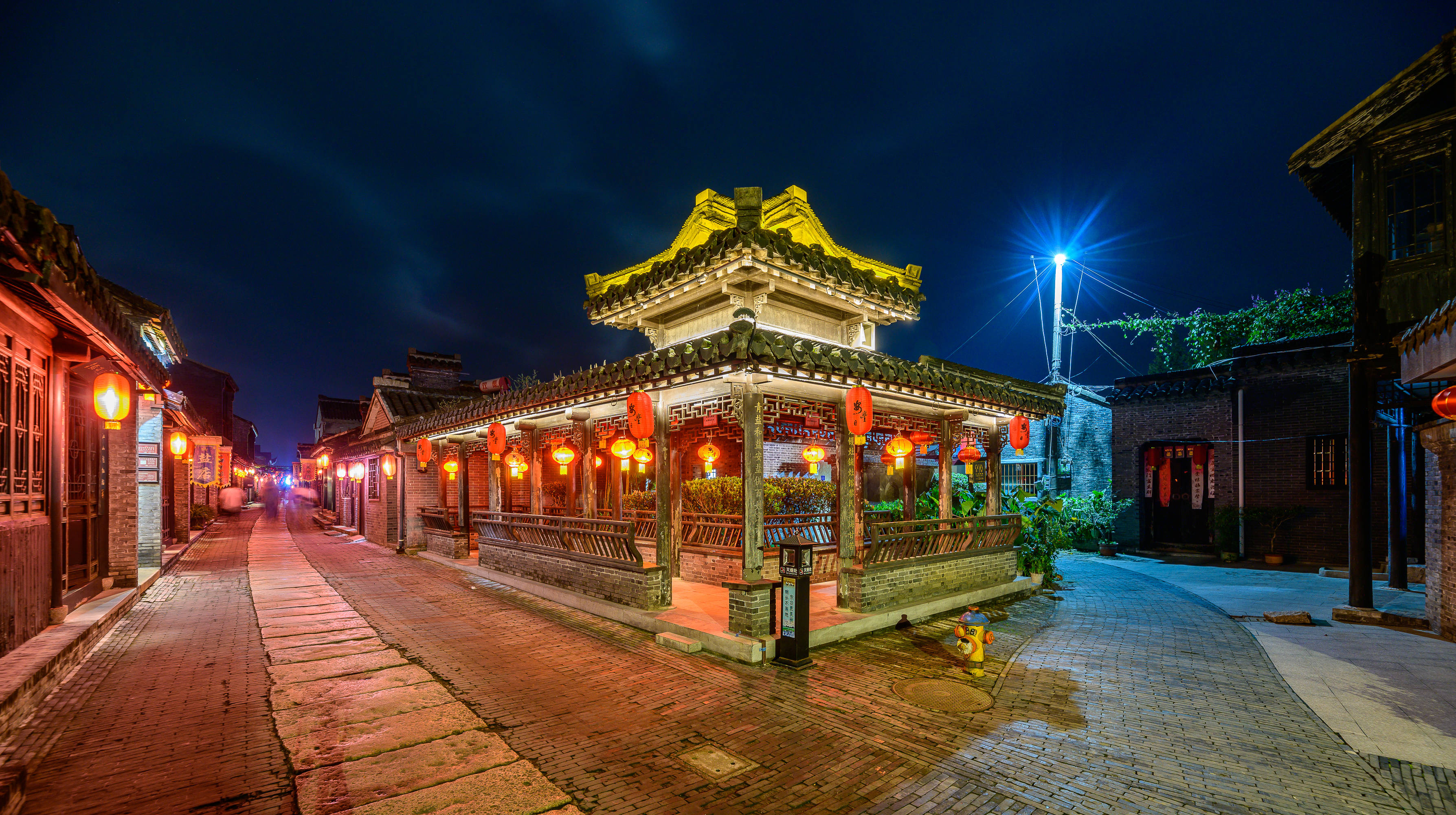
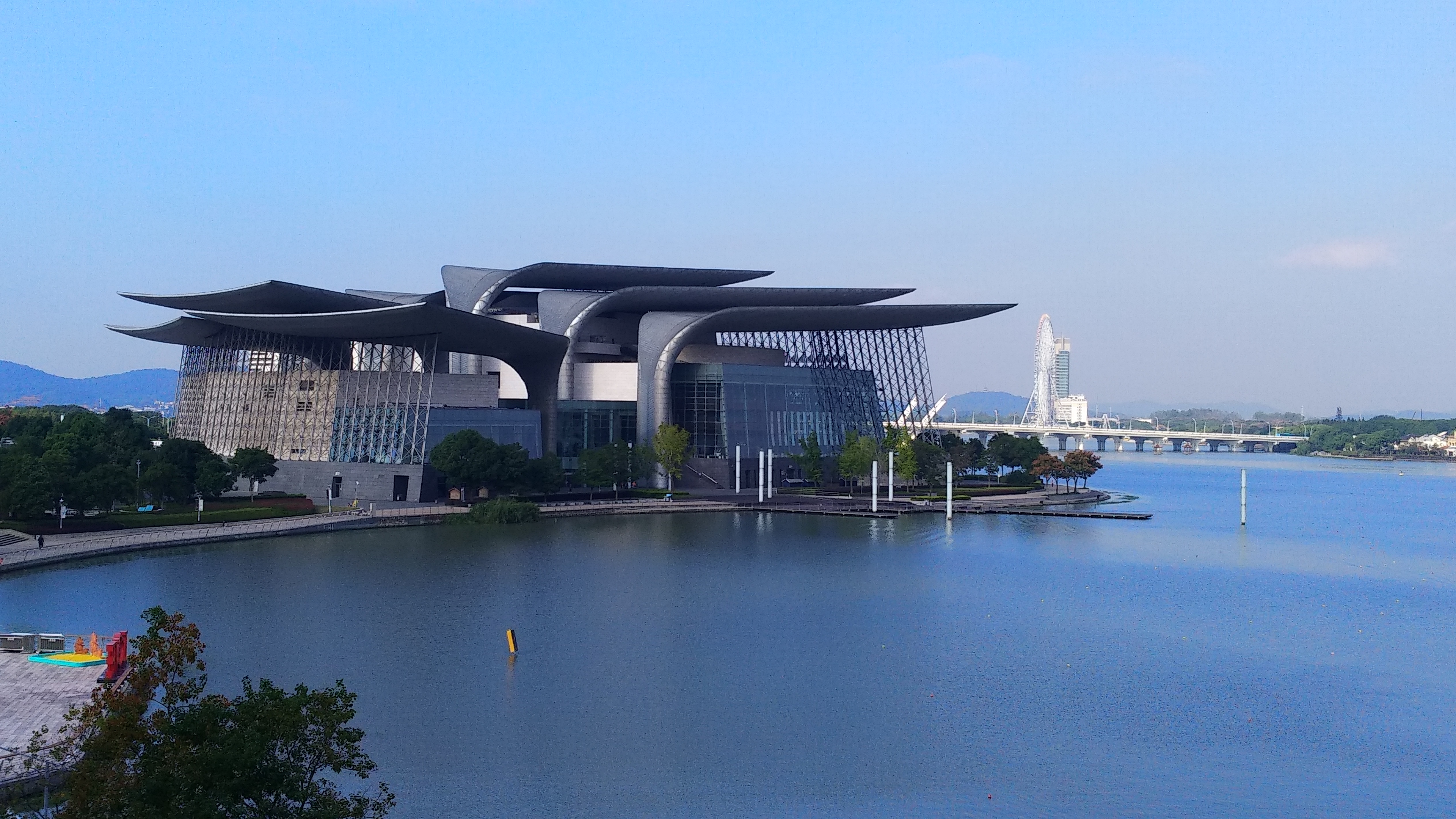
Since the reform era, Zhenjiang has developed into a modern industrial city while preserving its historic core. The three mountains and Xijindu Ancient Street draw millions of visitors annually.