Nature
Dafeng Elk Reserve
The largest elk (Milu) reserve in China, home to over 5,000 elk. Visitors can observe these rare deer roaming freely across vast wetland landscapes.
8:00 AM - 5:00 PM
60 yuan
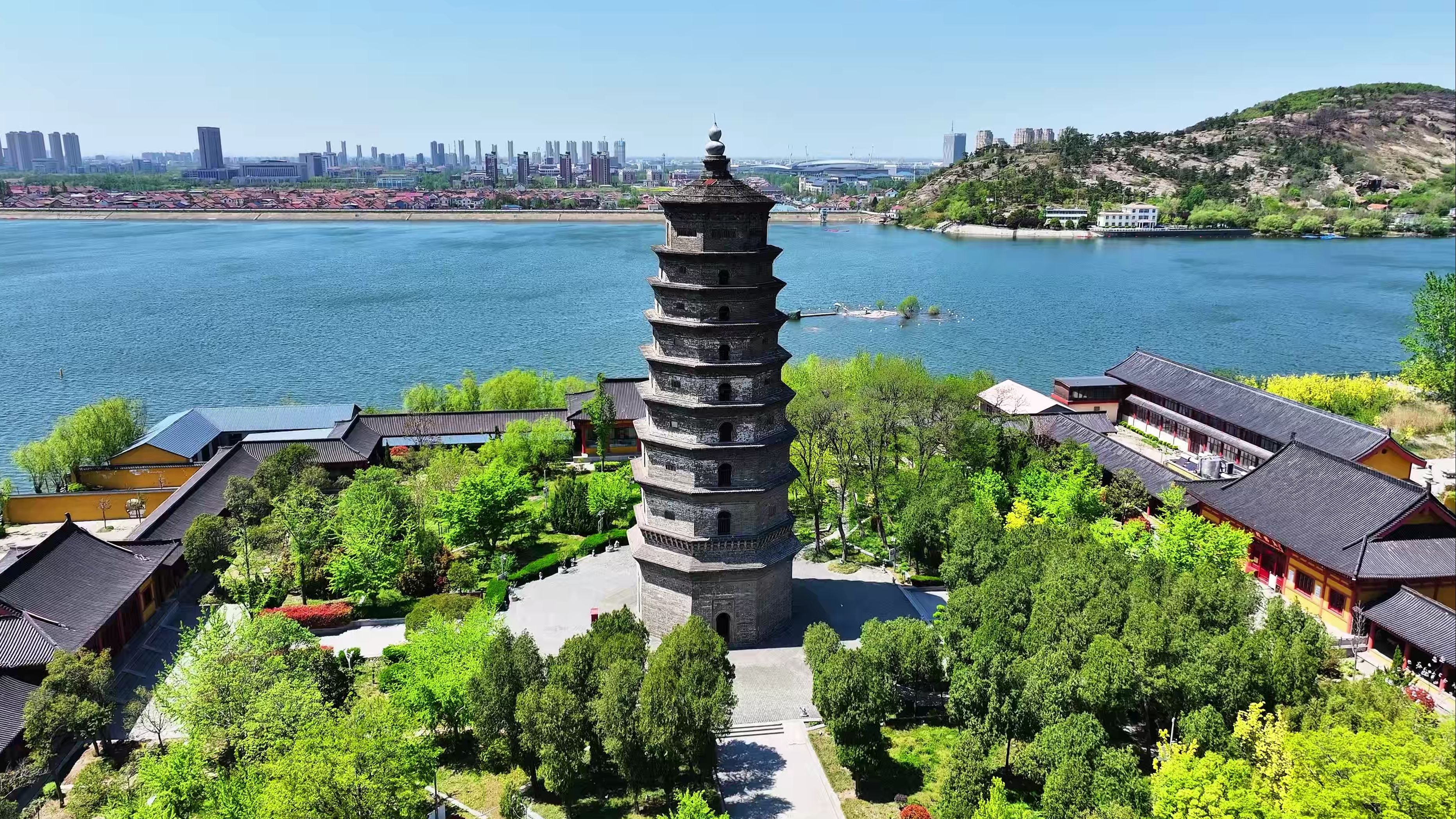
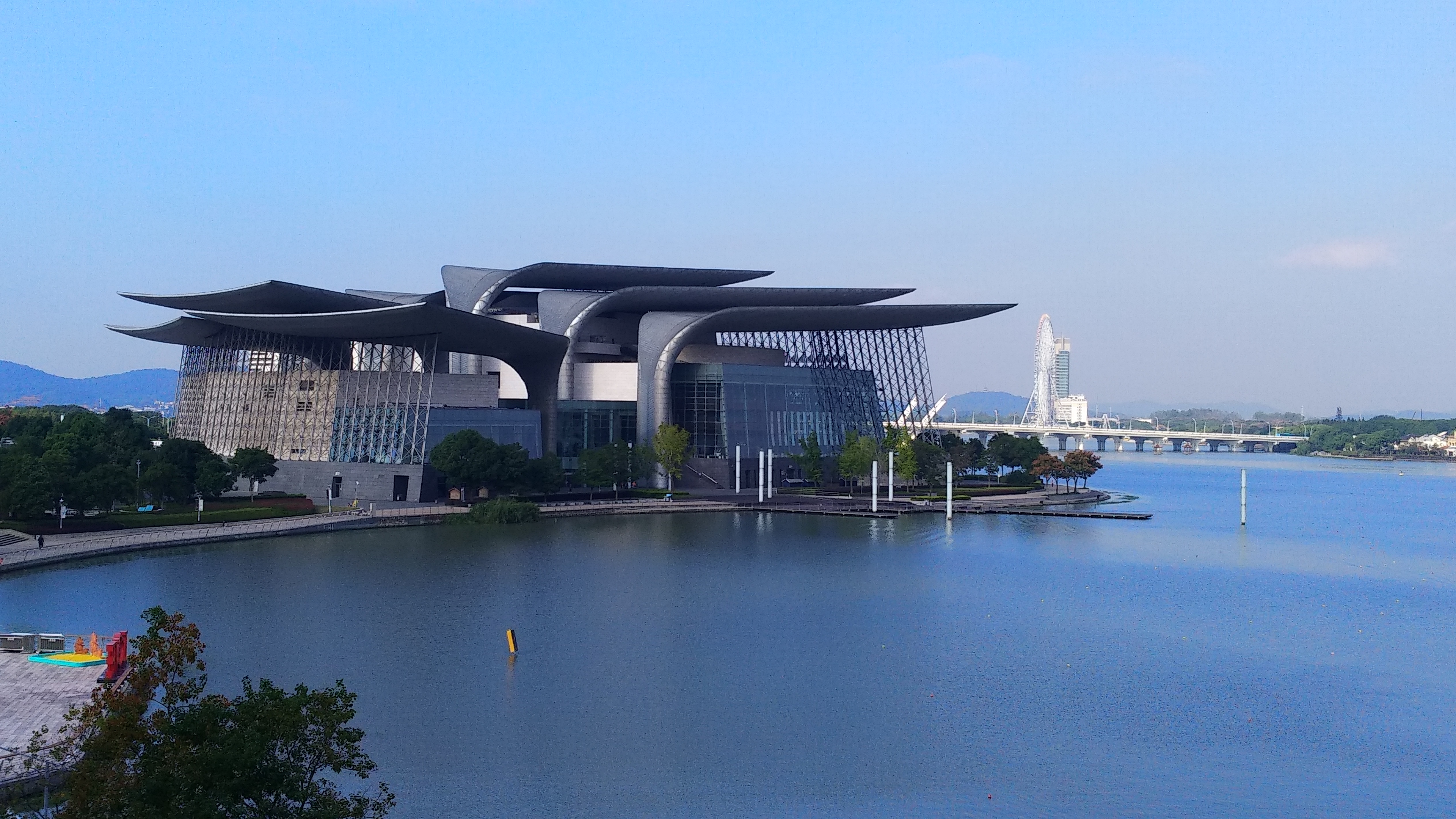
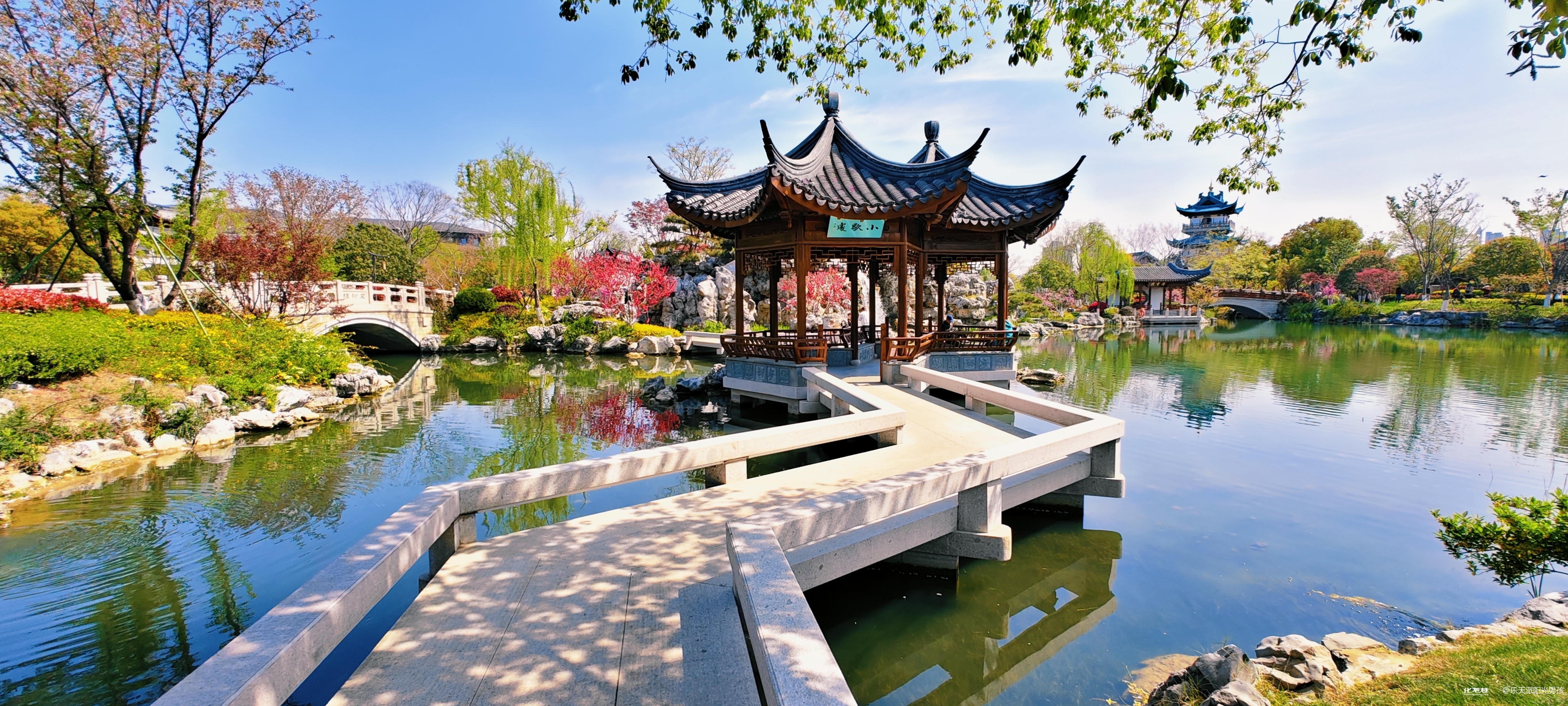
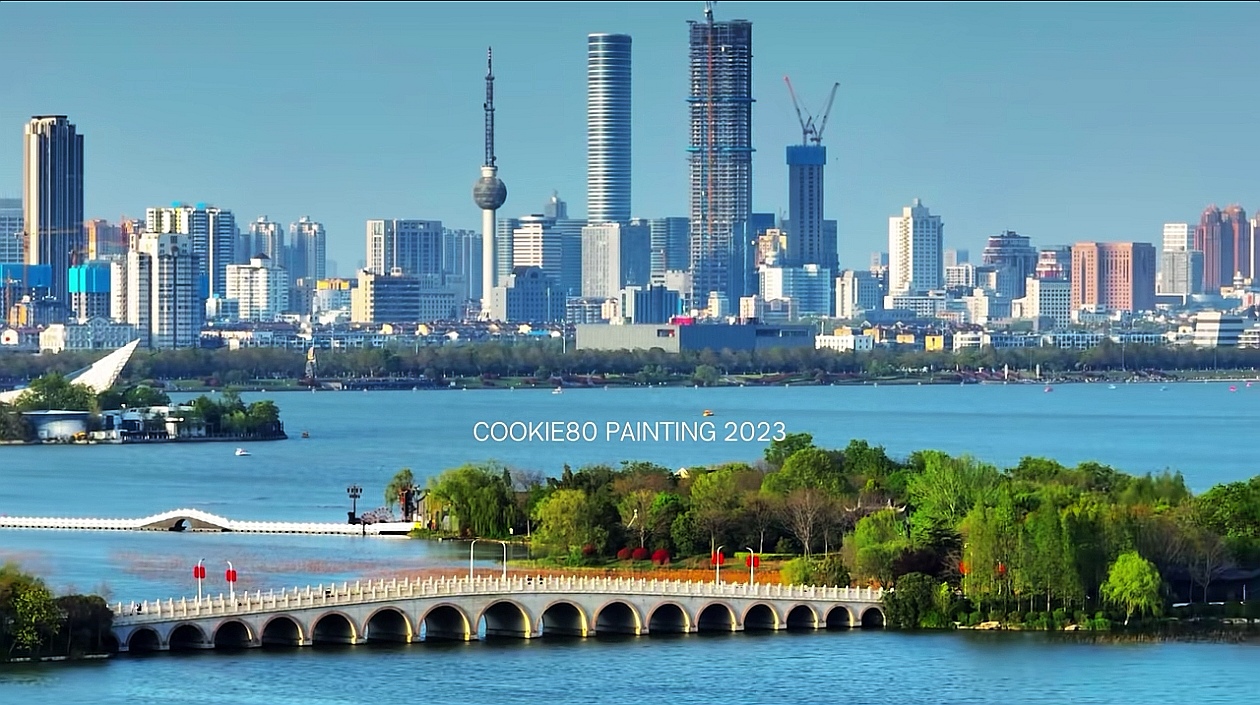
A sprawling coastal city in Jiangsu known for its vast wetlands, the Dafeng Elk Reserve — home to China largest elk herd, and the Red-crowned Crane Nature Reserve.
Yancheng is the largest prefecture-level city by area in Jiangsu Province, stretching along the Yellow Sea coast with vast tidal flats, wetlands, and nature reserves. Its name literally means "Salt City", reflecting over two millennia of sea salt production that shaped its history and culture.
The city is best known for its extraordinary natural environment. The Yancheng Wetland Reserve, a UNESCO World Heritage site, is one of the most important wetlands in China. It provides critical habitat for red-crowned cranes, elk (Milu deer), and hundreds of other bird species. The Dafeng Elk Reserve holds the world largest re-introduced population of Milu deer, a species once extinct in China.
Despite its natural treasures, Yancheng is also a major industrial city. It hosts a large automotive manufacturing complex — a joint venture with Kia Motors — and is developing new energy and electronics industries. The contrast between its wild coastal wetlands and modern factories defines Yancheng unique character.
Yancheng history is inseparable from salt. The area began salt production over 2,000 years ago during the Qin and Han dynasties. By the Tang dynasty, it had become one of China most important sea salt production centers, with salt taxes contributing significantly to the imperial treasury.
The city name "Yancheng" (Salt City) was officially established during the Eastern Jin dynasty (4th century). For centuries, salt farming defined the local economy and landscape, with thousands of salt pans stretching along the coast.
In modern times, Yancheng traditional salt industry declined but the city reinvented itself through manufacturing. The establishment of the Yancheng Economic and Technological Development Zone in the 1990s and the Kia joint venture in the 2000s transformed the local economy. In 2019, the Yellow Sea-Bohai Gulf Migratory Bird Habitats, including Yancheng wetland, were inscribed on the UNESCO World Heritage list.
Yancheng economy is led by the automotive industry, with the Dongfeng Yueda Kia joint venture being the largest employer and taxpayer. The plant produces hundreds of thousands of vehicles annually and has spawned a network of local suppliers.
New energy is a rapidly growing sector, with Yancheng hosting wind turbine and solar panel manufacturers. The long coastline is ideal for offshore wind farms, and the city is positioning itself as a new energy equipment manufacturing base.
Agriculture and aquaculture remain significant, with Yancheng being a major producer of rice, aquatic products, and seafood. Eco-tourism centered on the wetland reserves is an emerging industry, attracting nature lovers and bird watchers from across China and abroad. The city GDP reached 740 billion yuan in 2025.
Discover the culinary treasures of Yancheng, from traditional street food to imperial cuisine.
Yancheng Nanyang International Airport (YNZ) with flights to Beijing, Shanghai, Guangzhou, Shenzhen, and Seoul, South Korea.
Yancheng Railway Station on the Lianyungang-Yancheng-Nantong high-speed railway. Direct trains to Shanghai (about 2 hours), Nanjing (about 1.5 hours), Beijing (about 5 hours), and Qingdao.
No metro system. Public buses connect the city center to major attractions and suburban areas. Taxis and ride-hailing services are widely available.
Mar - May
Mild and warming. Migratory birds begin to depart. Fresh greenery covers the wetlands. Good for general sightseeing.
Jun - Aug
Hot and humid. The wetlands are lush and alive with insects and amphibians. Fewer birds. Good for lake activities at Dazong Lake.
Sep - Nov
Mild with decreasing rainfall. Migratory birds begin arriving from October. Excellent for wildlife observation and outdoor exploration.
Dec - Feb
Cold and dry. **Peak season for crane watching** — thousands of red-crowned cranes winter here. The best time for wildlife photographers.
Discover more cities, food guides, and travel inspiration.