Confucius Temple, Mansion & Cemetery (UNESCO)
The magnificent Confucius Temple, the historic Kong Family Mansion, and the sprawling forest cemetery — a UNESCO World Heritage site in Qufu, the birthplace of Confucius.
Birthplace of Confucius and home to Shantui Construction Machinery — Jining blends ancient Chinese philosophy with modern industrial strength.
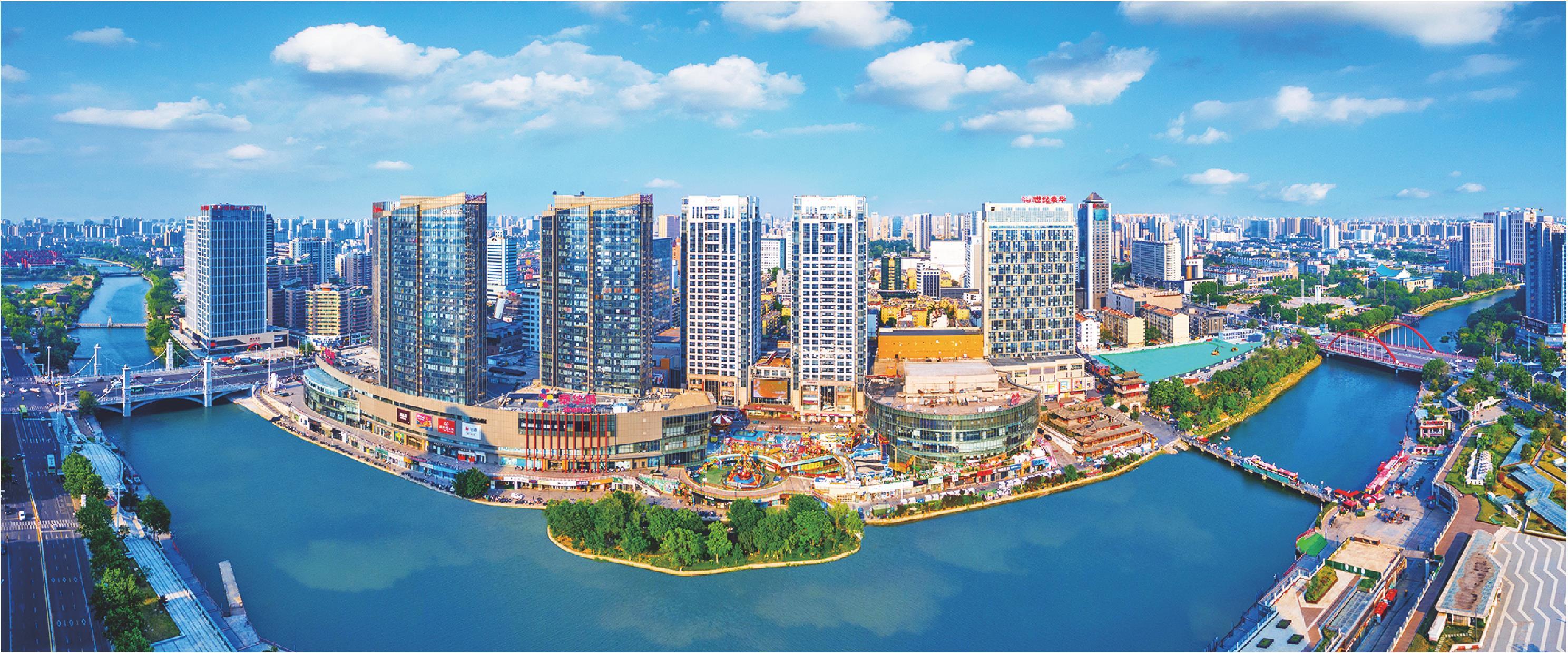
Jining is a historic city in southwestern Shandong Province, with a population of 8.36 million and an area of 11,187 square kilometers. It is internationally renowned as the birthplace of Confucius (551-479 BC), China's greatest philosopher and educator.
The city administers Qufu, where the magnificent Confucius Temple, the Kong Family Mansion, and the Confucius Forest Cemetery form a UNESCO World Heritage site. These sacred sites have been destinations for scholars and pilgrims for over 2,000 years.
Jining is also a major industrial center. Shantui Construction Machinery, headquartered here, is one of China's leading manufacturers of bulldozers and heavy construction equipment. The city is an important hub for coal mining, food processing, and machinery manufacturing in Shandong.
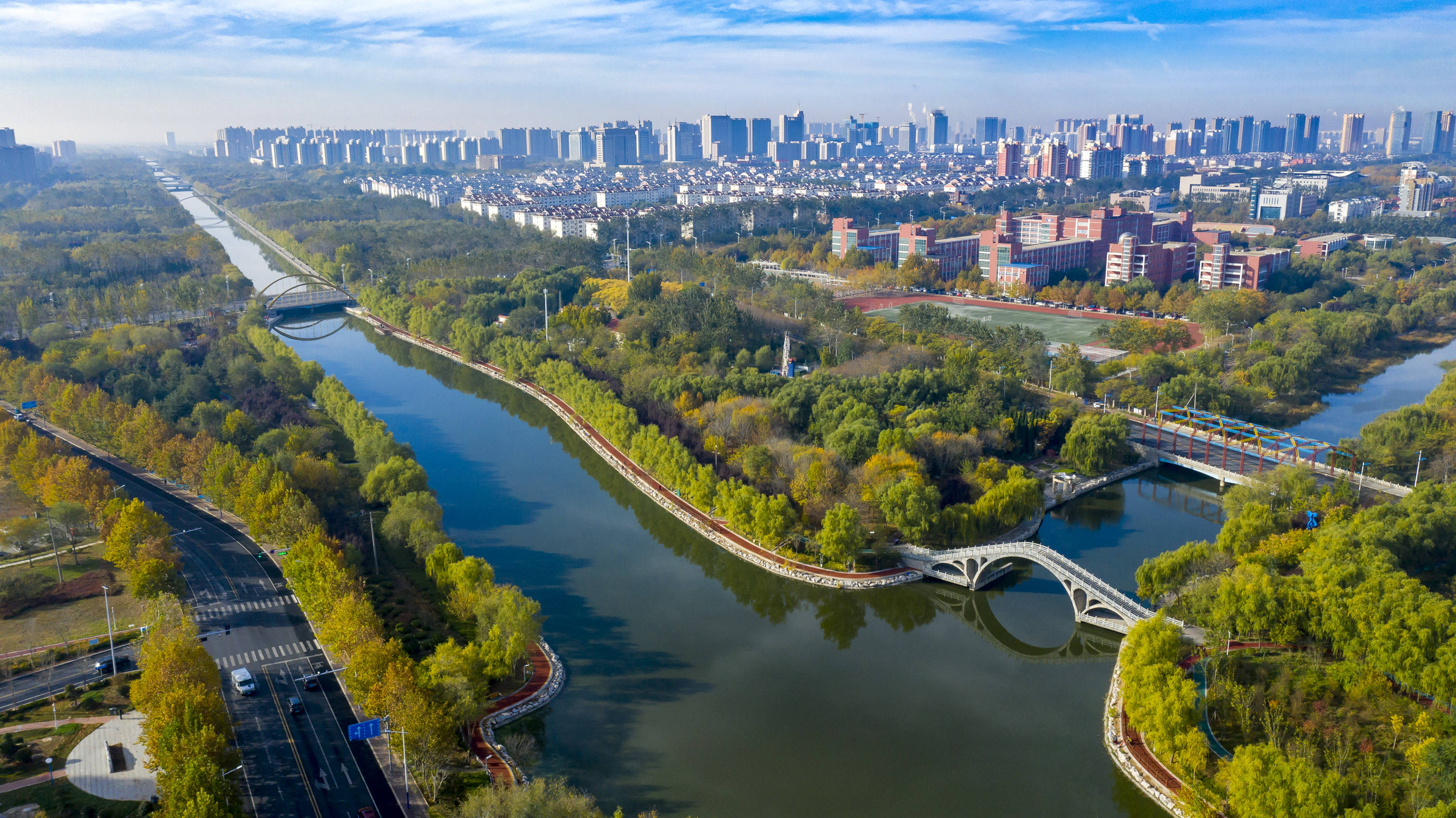
The Beijing-Hangzhou Grand Canal, the world's longest artificial waterway, passes through Jining. During the Ming and Qing dynasties, Jining was the canal's most important inland port, and the Canal Culture Museum preserves this rich heritage.
Weishan Lake, the largest lake in northern China, offers beautiful lotus fields and fishing village scenery. Liangshan Mountain, legendary setting of the classic novel "Water Margin," attracts literature enthusiasts and hikers alike.
Jining's history spans over 2,000 years. The area was established as Rencheng County during the Qin Dynasty (221-206 BC) and served as an important administrative center in subsequent dynasties.
The most significant figure in Jining's history is Confucius (Kong Qiu, 551-479 BC), who was born in Qufu. His teachings on ethics, family, and governance formed the foundation of Chinese civilization. The Confucius Temple in Qufu was first built in 478 BC, the year after his death, and has been expanded by successive dynasties.
During the Sui and Tang dynasties, the Grand Canal connected Beijing to Hangzhou, passing through Jining and transforming it into a major commercial port. The city's prosperity peaked during the Ming Dynasty, when it was one of the most important economic centers in northern China.
The canal declined in the late Qing Dynasty due to flooding and neglect, but Jining remained a regional trading hub. In the 20th century, the discovery of coal reserves drove industrialization, and the city became an important energy and manufacturing base.
Modern Jining has successfully diversified its economy while preserving its cultural heritage. Qufu remains one of China's most important cultural pilgrimage sites, attracting millions of visitors annually.
Jining's economy is driven by construction machinery, coal mining, cultural tourism, and food processing. In 2024, the city's GDP reached approximately 550 billion yuan.
Construction machinery manufacturing is led by Shantui Construction Machinery, one of China's largest bulldozer manufacturers. Shantui produces a full range of bulldozers, road rollers, and construction equipment, exporting to over 150 countries. Sany Heavy Industry also has a significant presence in Jining, adding to the city's machinery cluster.
Coal mining has been a traditional pillar of Jining's economy. The city sits on large coal reserves, with several major mining operations in the Yanzhou and Tengzhou areas. The coal industry has supported the development of related energy and chemical industries.
Food processing is a growing sector, leveraging Jining's agricultural output from the fertile plains along the Grand Canal and Weishan Lake area. Grain processing, edible oils, meat processing, and vegetable preservation are key sub-sectors.
Cultural tourism is a significant and growing contributor, centered on Qufu's UNESCO World Heritage sites. The Confucius-related tourism industry generates substantial revenue and supports hotels, restaurants, and cultural services across Jining.
The Grand Canal economic belt development initiative has spurred new investment in logistics, warehousing, and canal-side tourism infrastructure.

Discover the culinary treasures of Jining, from traditional street food to imperial cuisine.
Jining Da'an Airport (JNG)
Connected via Qufu East Station on the Beijing-Shanghai high-speed corridor
No metro system; buses and taxis available
March to May
Pleasant temperatures 10-22°C. The Confucius Birthday Celebration in late April draws pilgrims and cultural delegations.
June to August
Warm and humid, 25-35°C. Lotus flowers bloom across Weishan Lake — the best time for lake cruises.
September to November
Cool and crisp, 10-24°C. Excellent for hiking Mount Tai and exploring outdoor attractions.
December to February
Cold and dry, -3 to 5°C. Quieter tourist season with fewer crowds at major sites.
Discover more cities, food guides, and travel inspiration.