Other
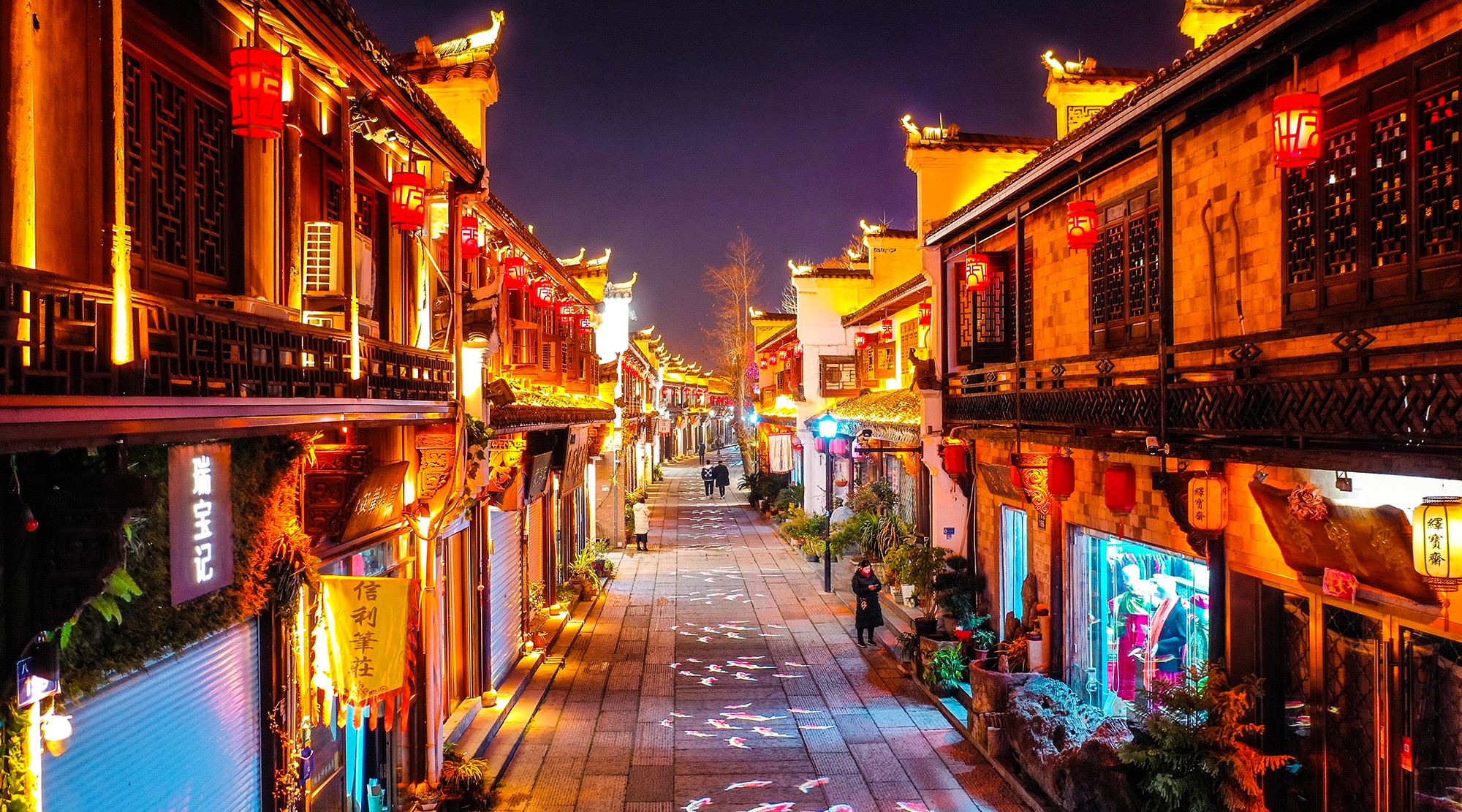
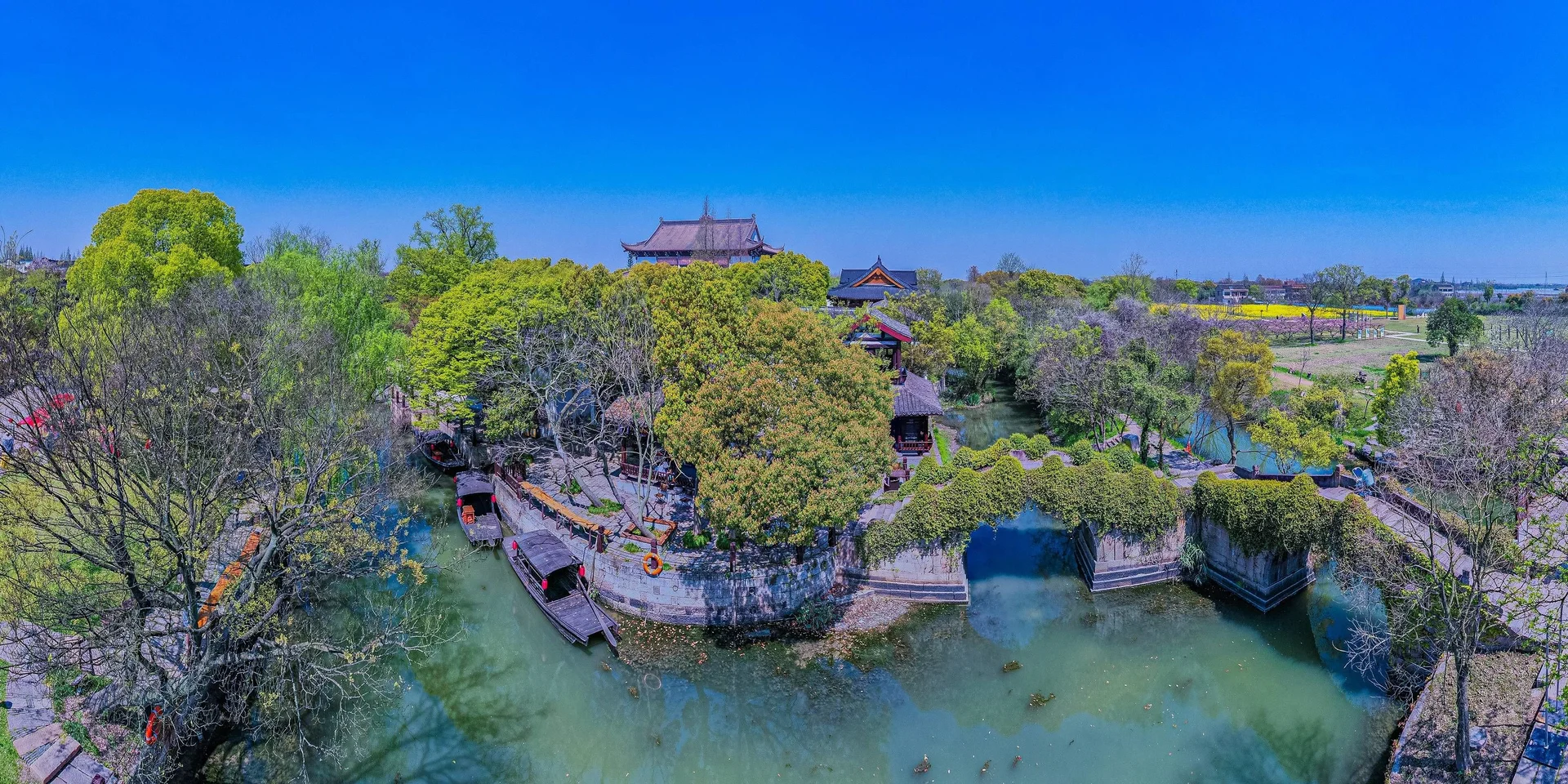
Nanxun Ancient Town
A UNESCO World Heritage candidate and one of China's best-preserved water towns, featuring stunning Ming-Qing architecture and the historic Little Lotus Manor.
8:00 AM - 5:00 PM
Free (some attractions charge)
A historic city known as the "Capital of Silk," home to ancient Nanxun water town and the legendary Mogan Mountain retreat.
Huzhou is a historic city in northern Zhejiang Province, renowned as the "Capital of Silk" with over 4,000 years of sericulture history. The Qianshanyang Site has been named the "World Source of Silk," marking the earliest known silk production in human history.
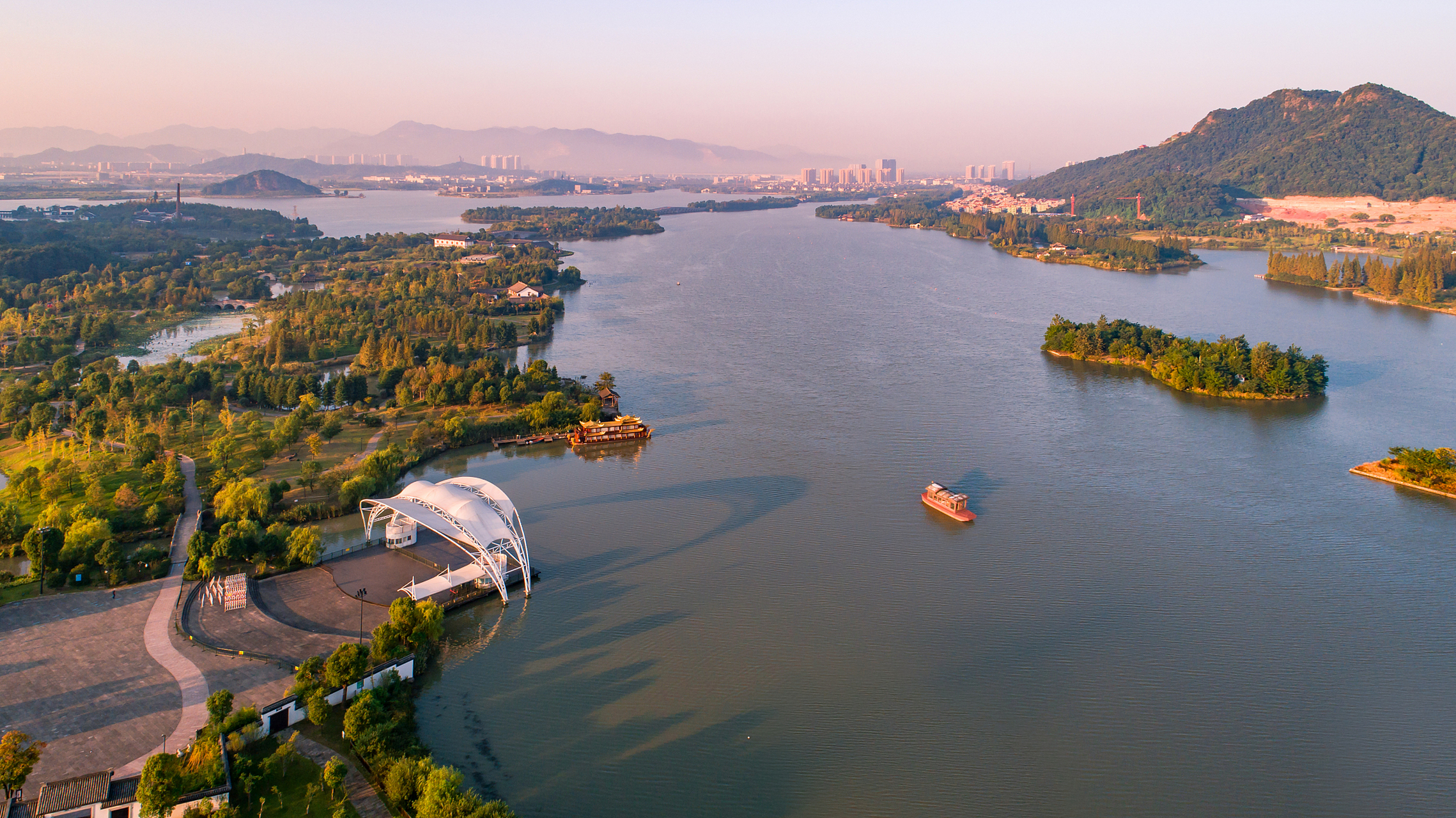
Situated on the southern shore of Taihu Lake, China's third-largest freshwater lake, Huzhou serves as a vital hub in the Yangtze River Delta region. The city covers 5,820 square kilometers with a population of 3.47 million, balancing urban development with rich natural resources.
Huzhou's cultural heritage is exceptional. The city is the birthplace of the famous "Huzhou Brush" (Hubi), one of China's Four Famous Brushes, essential tools in traditional Chinese calligraphy and painting. The city's tea culture is equally distinguished, with Anji White Tea winning international recognition.
The city offers diverse attractions: Nanxun Ancient Town showcases Ming-Qing architecture and water town charm; Mogan Mountain provides cool summer retreats amidst bamboo forests; while Taihu Lake offers scenic beauty and modern entertainment facilities.
Huzhou's economy thrives on textile manufacturing, tourism, and green industries. The city is a model of sustainable development, recognized as a "National Ecological Civilization Demonstration City" and home to numerous environmental initiatives.
Huzhou's history stretches back over 2,200 years. In 248 BC, Lord Chunshen (Huang Xie) of the Chu Kingdom established Gucheng County here, marking the city's founding. The name "Huzhou" came during the Sui Dynasty in 602 AD, derived from its location by Taihu Lake.
During the Tang Dynasty (618-907), Huzhou became a major silk production center. The city's silk was so prized that it became tribute to the imperial court. The famous "Jili Silk" from Nanxun was exported globally, making local merchants incredibly wealthy.
The Song Dynasty (960-1279) saw Huzhou emerge as a cultural center. Scholars and artists gathered here, producing renowned works of calligraphy and painting. The city's brush-making industry flourished, establishing the "Huzhou Brush" as the finest in China.
In the Ming and Qing dynasties, Nanxun merchants became among China's wealthiest, building magnificent residences that blended Chinese and Western architectural styles. These historic homes now form the core of Nanxun Ancient Town's attractions.
Modern Huzhou has embraced sustainable development while preserving its heritage. The city has invested heavily in environmental protection, earning recognition as a model of ecological civilization in China.
Huzhou's economy reached 445.3 billion yuan in GDP in 2025, growing at 5.9% annually. The city has successfully transitioned from traditional manufacturing to a modern, diversified economy.
Textile and garment manufacturing remains important, with Huzhou silk and bamboo fiber products gaining international markets. The city is home to numerous textile companies producing everything from traditional silk to modern technical fabrics.
Tourism has become a major economic driver. Nanxun Ancient Town, Mogan Mountain, and Taihu Lake attract millions of visitors annually. The hospitality industry has developed rapidly, with luxury resorts and boutique hotels opening across the region.
Green industries are a focus of Huzhou's development strategy. The city hosts numerous environmental technology companies and has become a testing ground for sustainable urban development. Bamboo processing and eco-friendly manufacturing are growing sectors.
Agriculture contributes significantly, with tea production (especially Anji White Tea), aquaculture, and organic farming expanding. The city's "green food" products command premium prices in domestic and international markets.
Discover the culinary treasures of Huzhou, from traditional street food to imperial cuisine.
Combine water town charm with mountain retreat in one trip.
Explore Taihu Lake and Anji's natural wonders.
Hangzhou Xiaoshan International Airport (60km) or Shanghai Hongqiao Airport (120km)
Connected to Shanghai, Hangzhou, Nanjing via Huzhou Station
City bus network and intercity rail connections
Extensive network covering all districts and counties
Available throughout the city
Spring (April-May) and Autumn (September-October) offer the best weather for most destinations in China.
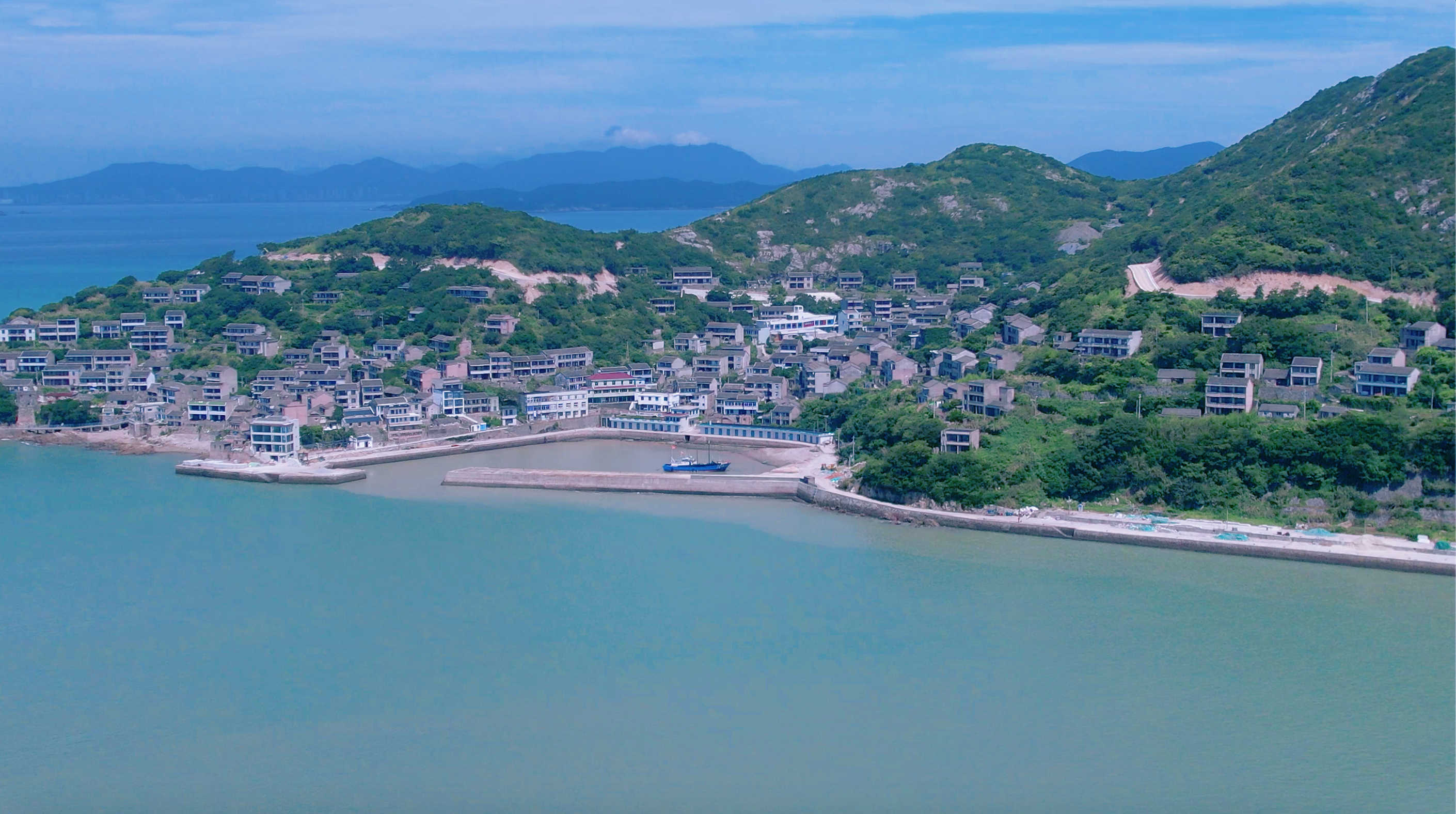
An archipelago city of over 1,390 islands, home to the sacre...
A city of global commerce and cinematic dreams, home to the ...
China's most beautiful city, where ancient West Lake meets m...
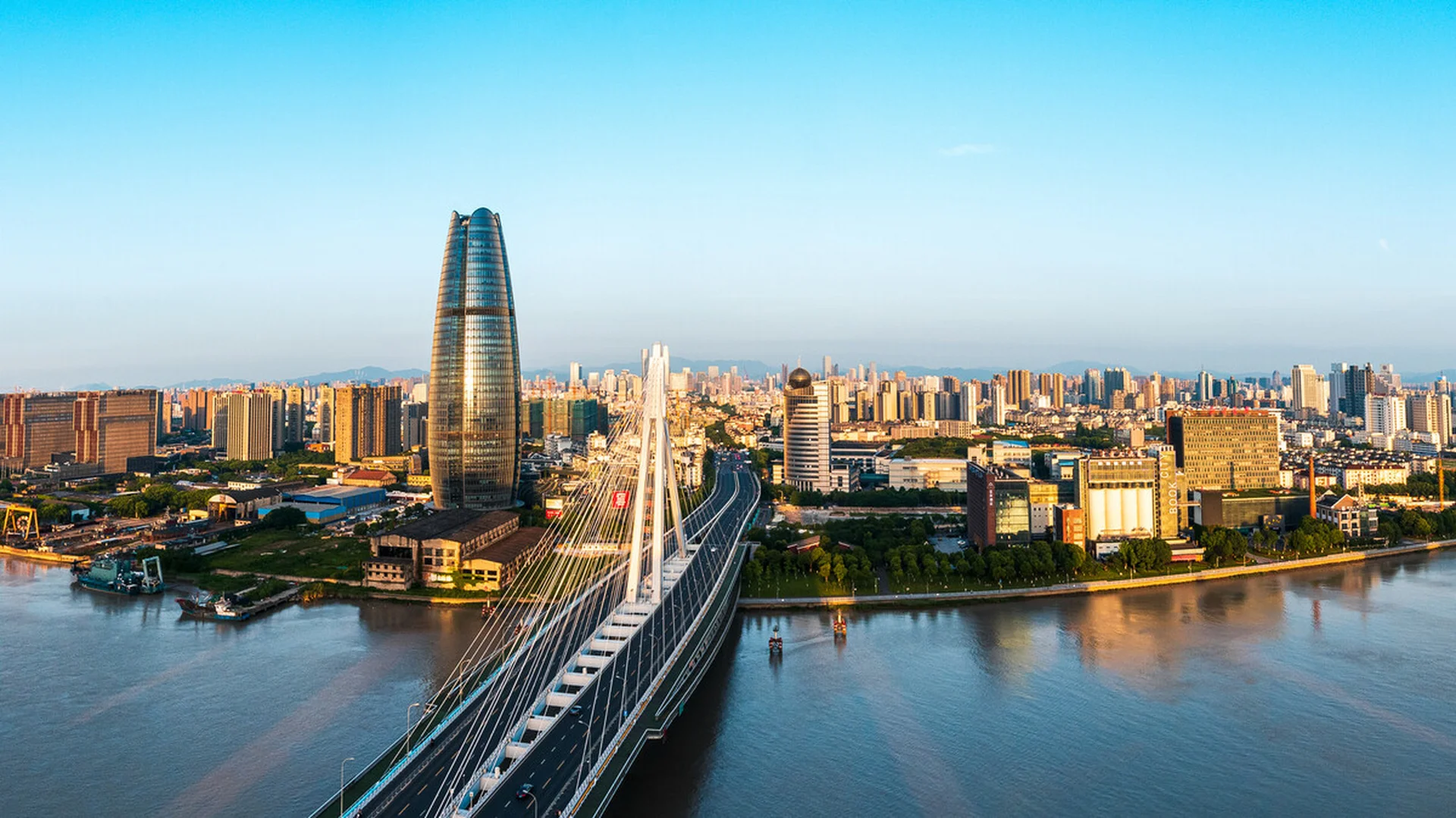
A historic port city with 7,000 years of civilization, home ...
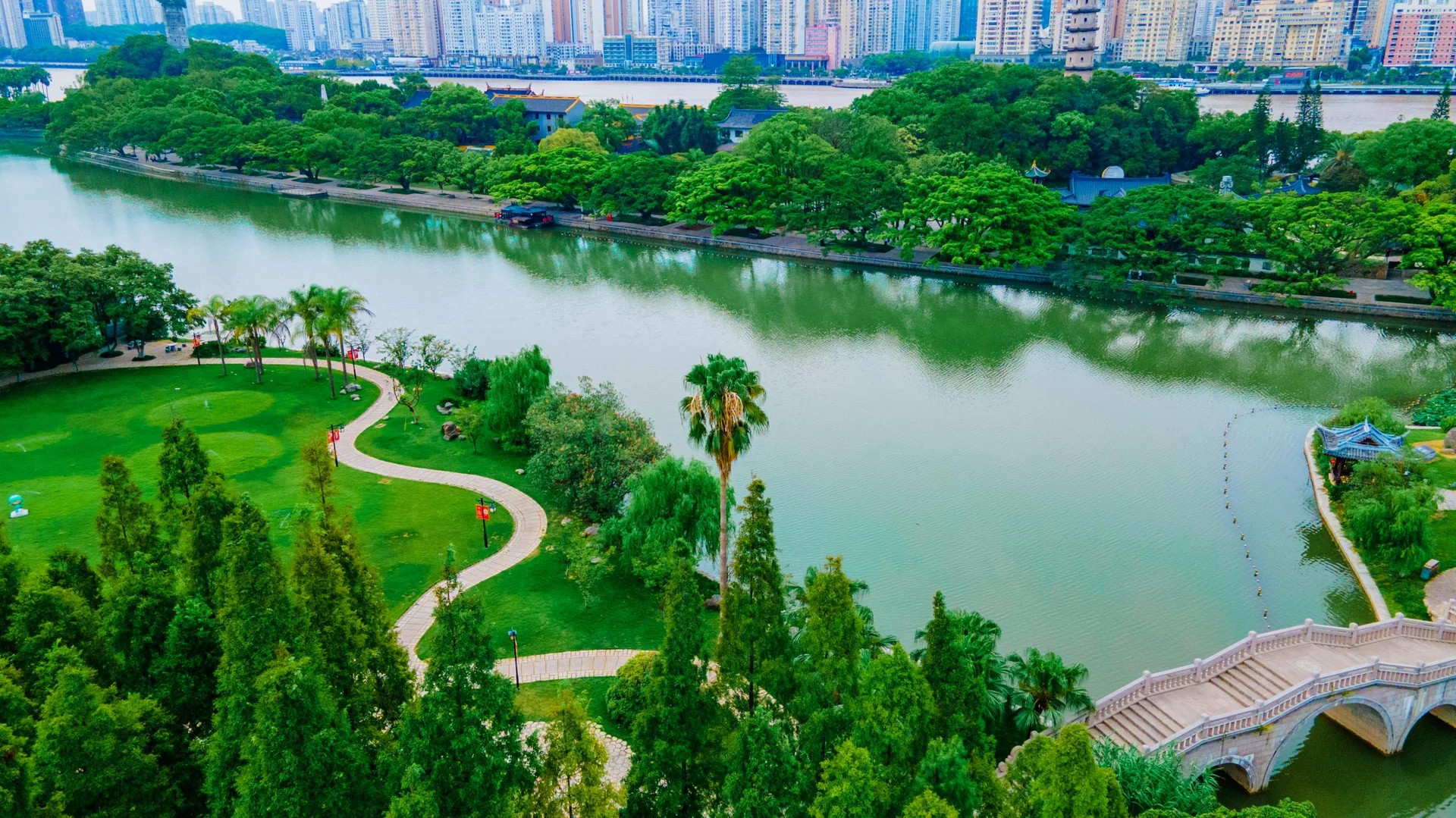
A dynamic coastal city known as the birthplace of China's pr...
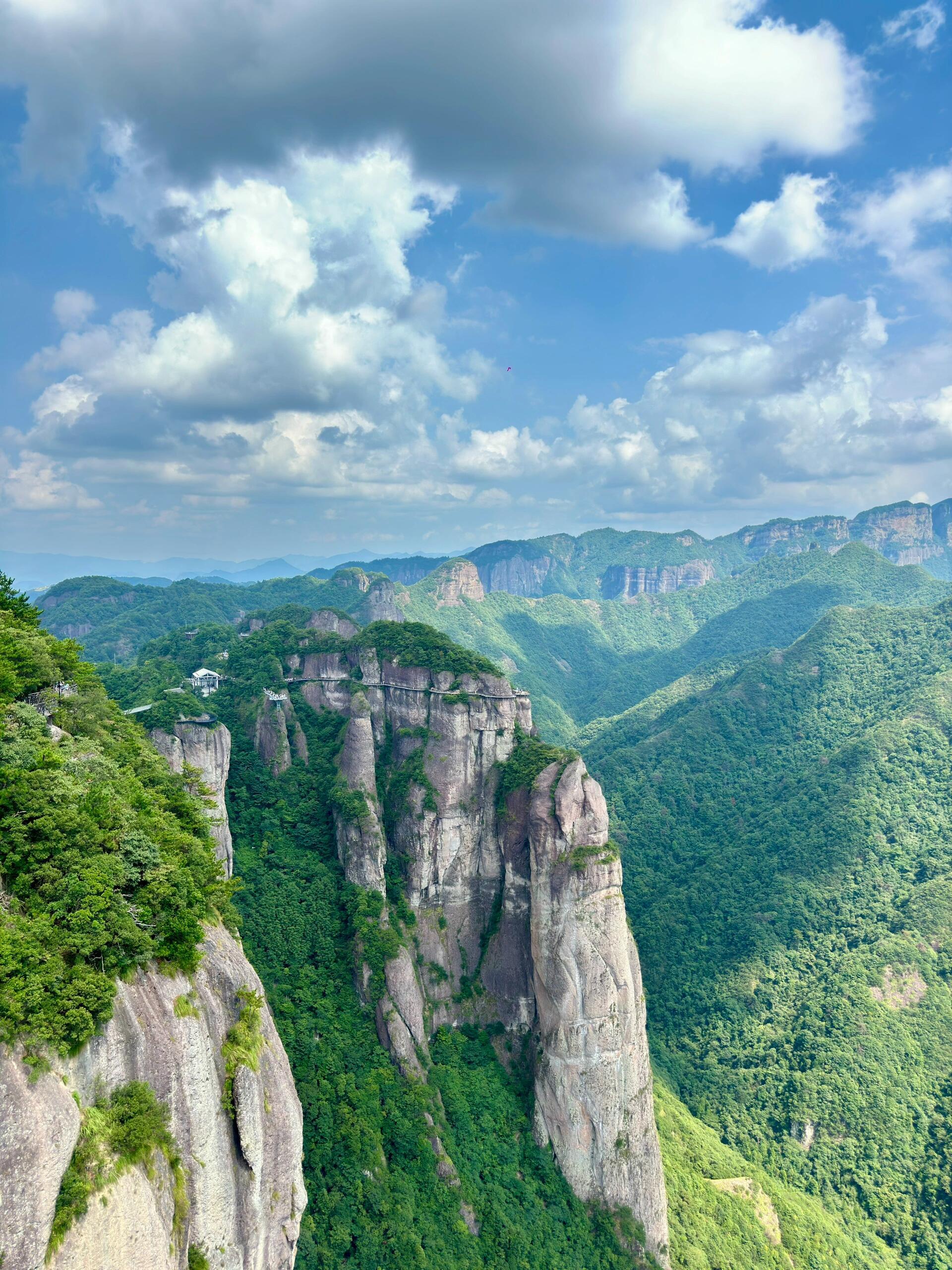
A coastal city known as the birthplace of private enterprise...
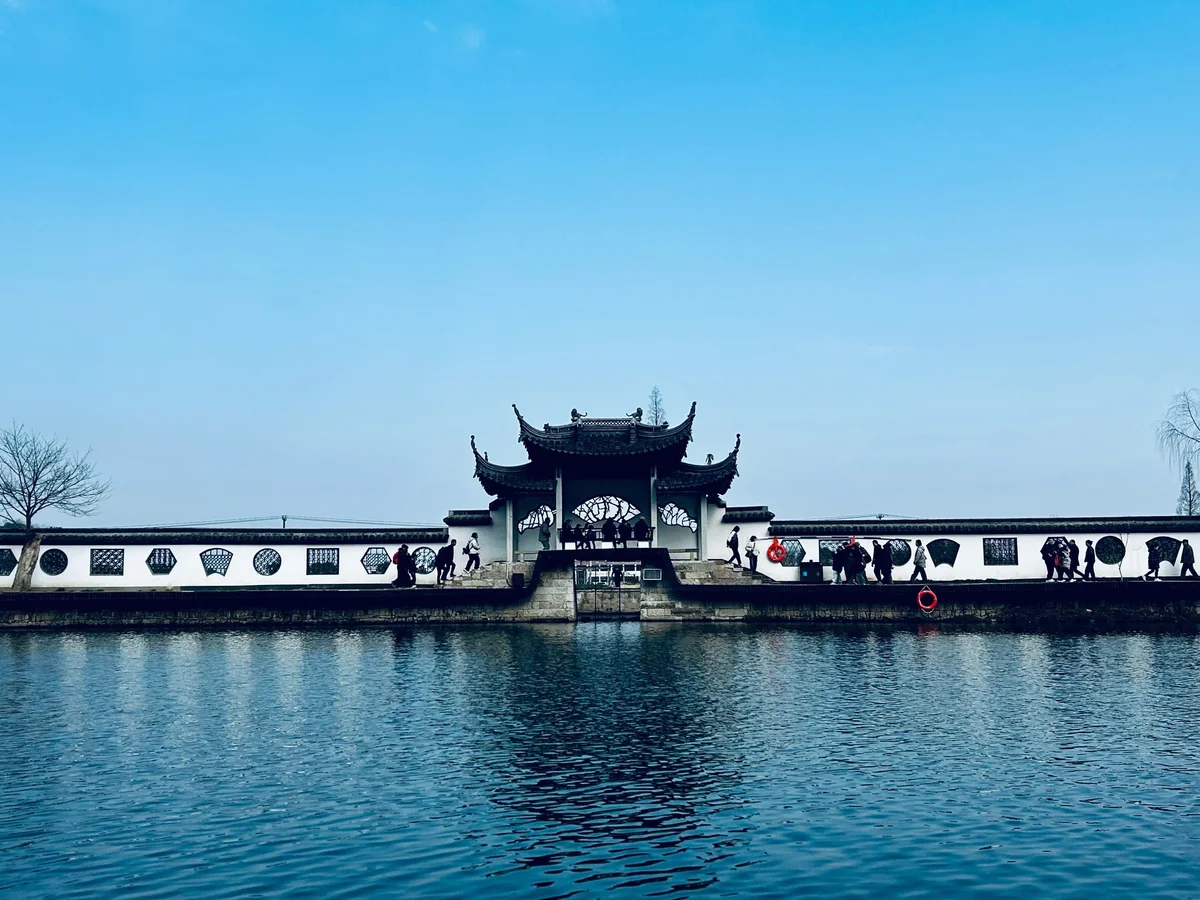
A historic water town with 2,500 years of history, birthplac...
A historic water town in the Yangtze River Delta, famous for...
Discover more cities, food guides, and travel inspiration.