Datong's economy has undergone a significant transformation from its traditional reliance on coal mining to a more diversified structure centered on cultural tourism, clean energy, and advanced manufacturing.
For decades, Datong was known as China's "Coal Capital," with coal production driving the local economy. The city's high-quality thermal coal was shipped nationwide, supporting China's industrialization. Today, while coal remains important, the industry has been modernized with focus on cleaner production methods and value-added products.
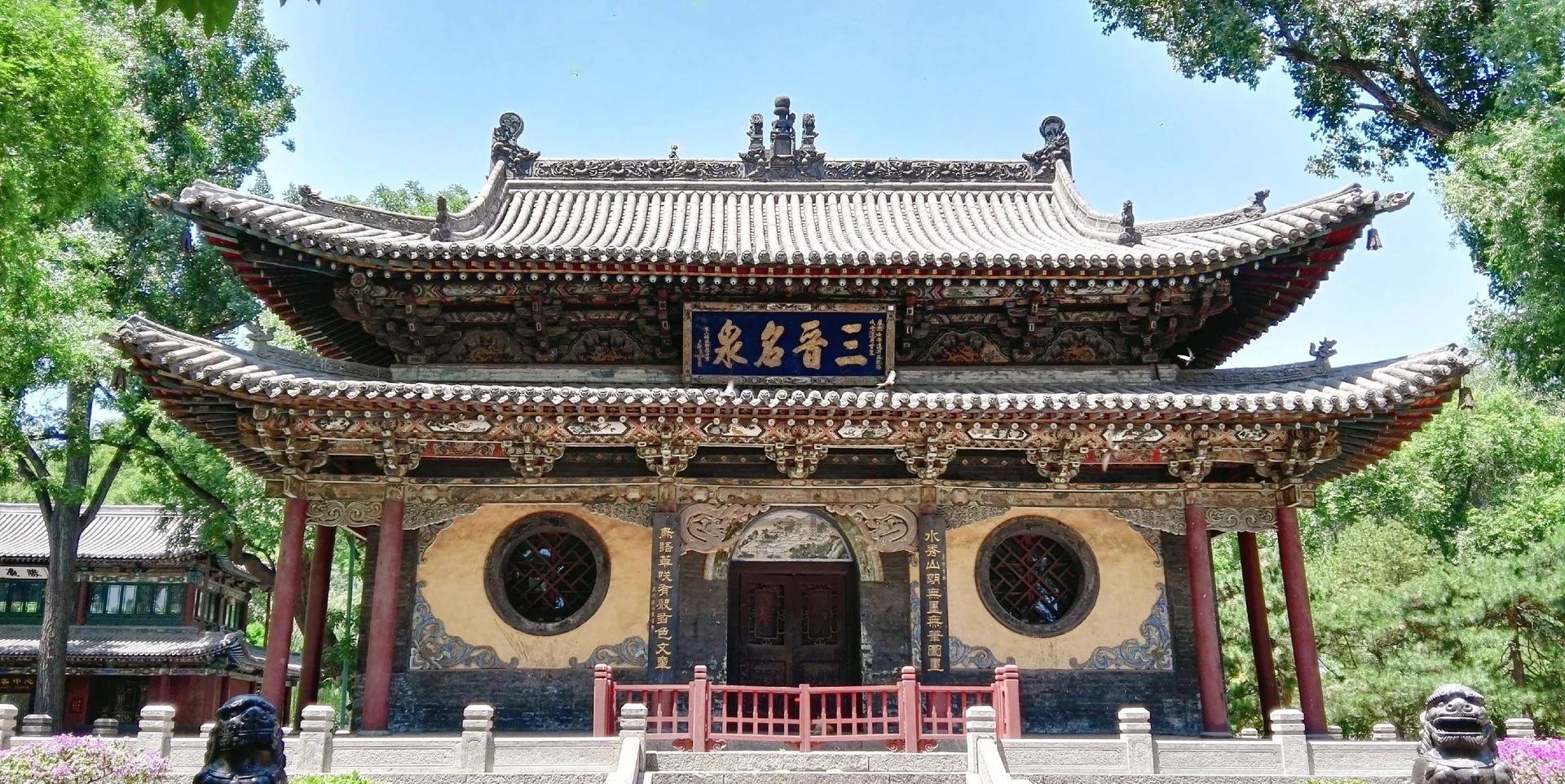
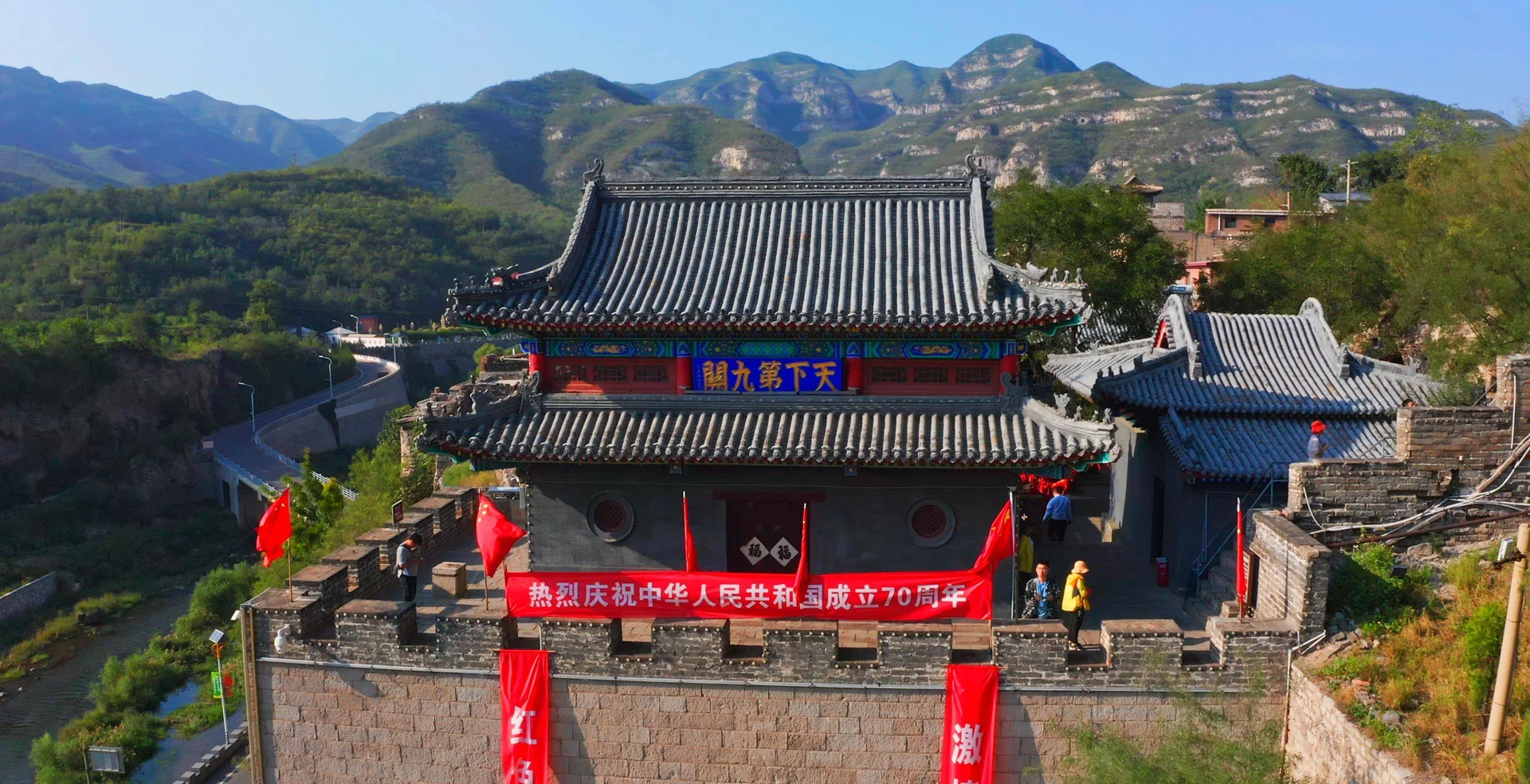
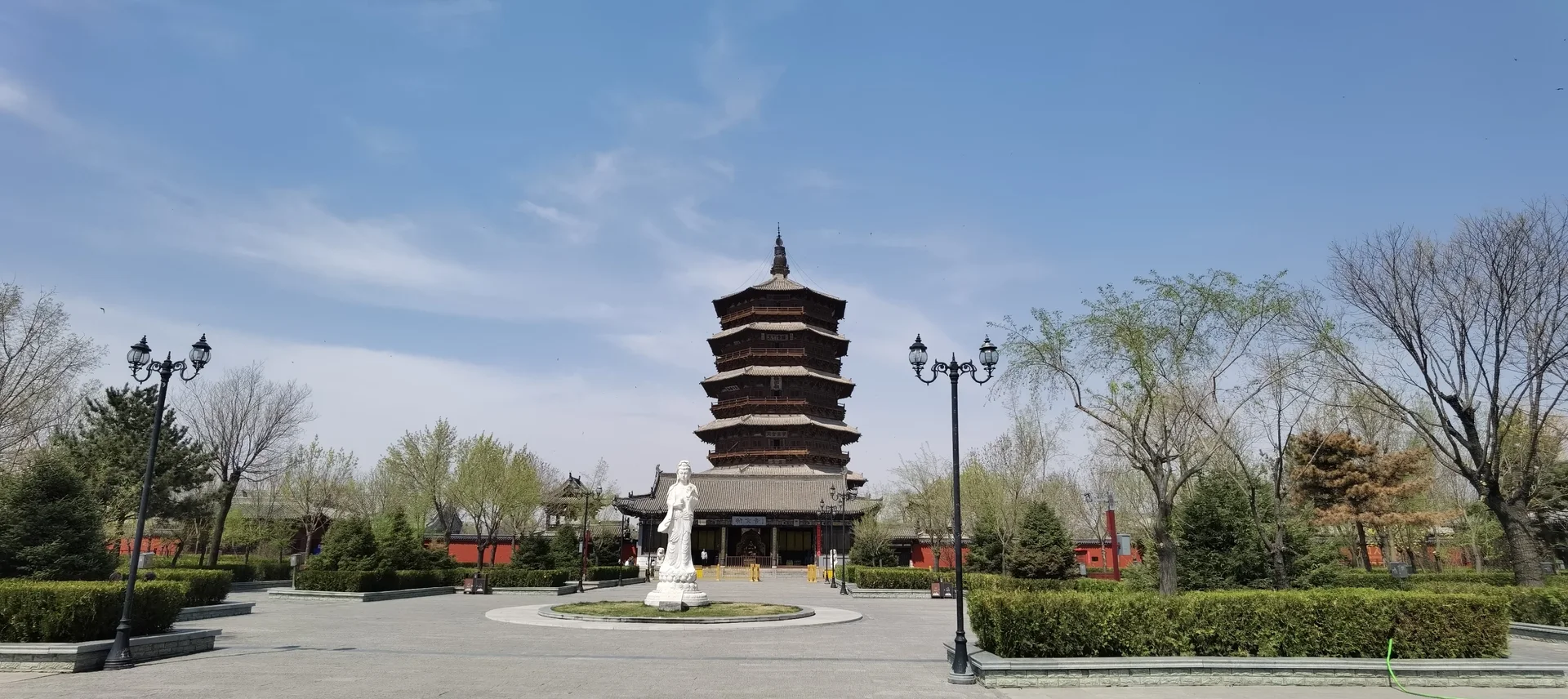
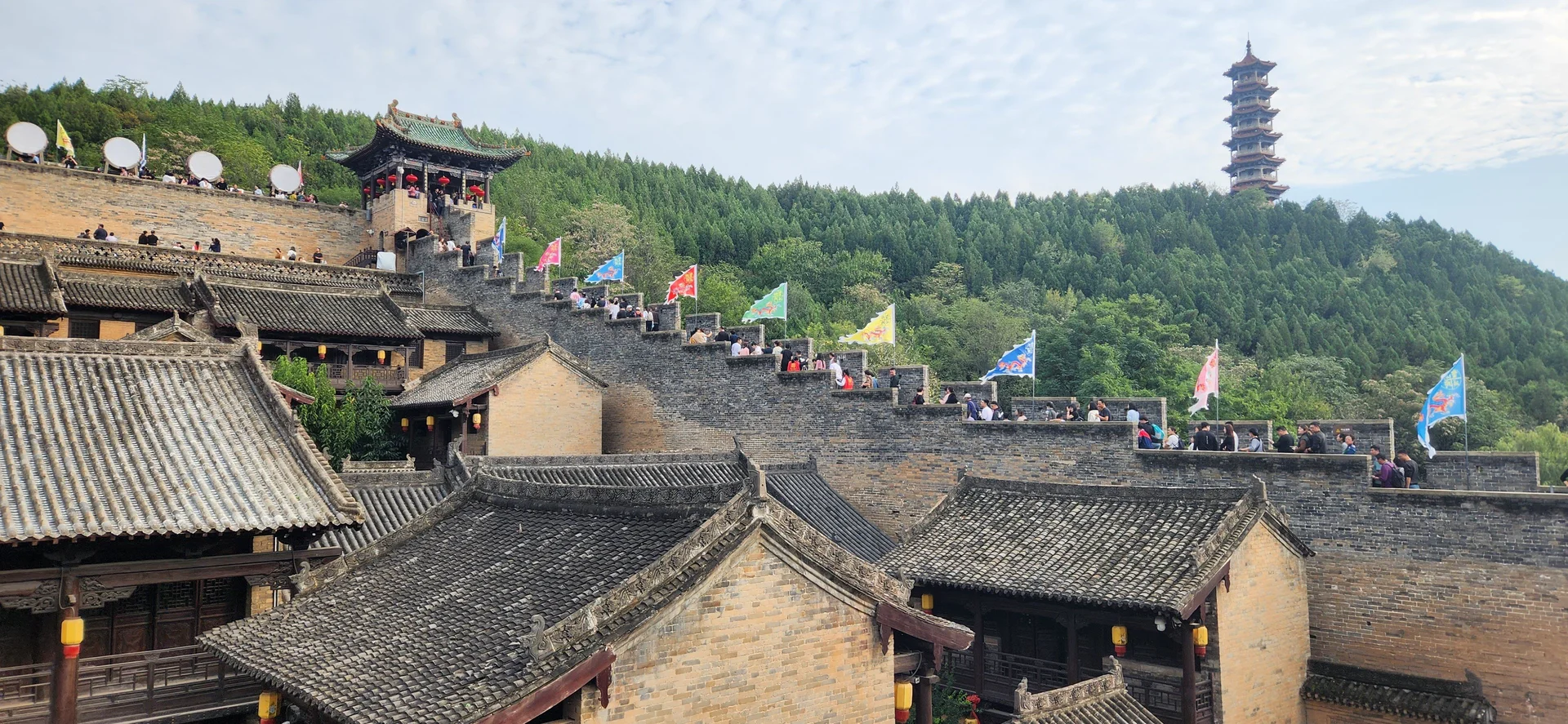
Cultural tourism has emerged as a major economic driver. The Yungang Grottoes, Hanging Temple, and other heritage sites attract millions of visitors annually. The city has invested heavily in tourism infrastructure, including the restoration of the Ancient City Wall and development of cultural districts. This shift has created thousands of jobs in hospitality, transportation, and cultural services.
The clean energy sector represents Datong's future-oriented development. The city has become a center for solar power equipment manufacturing and wind energy development. Its abundant sunshine and wind resources support renewable energy generation, while local factories produce solar panels for domestic and international markets.
Agriculture remains significant in surrounding counties, with specialty products including Huanghua (daylily), known as the "Gold of Datong," and premium millet. The city is also developing its food processing industry based on these agricultural products.
Datong's GDP reached approximately 181.5 billion yuan in 2025. The city's development strategy focuses on continuing the transition from coal-dependent industry to a more sustainable, service-oriented economy while preserving and promoting its extraordinary cultural heritage.