Landmark
Forbidden City
The world's largest ancient palace complex, home to 24 emperors during the Ming and Qing dynasties.
8:30 AM - 5:00 PM (closed Mondays)
¥60 (Apr-Oct), ¥40 (Nov-Mar)
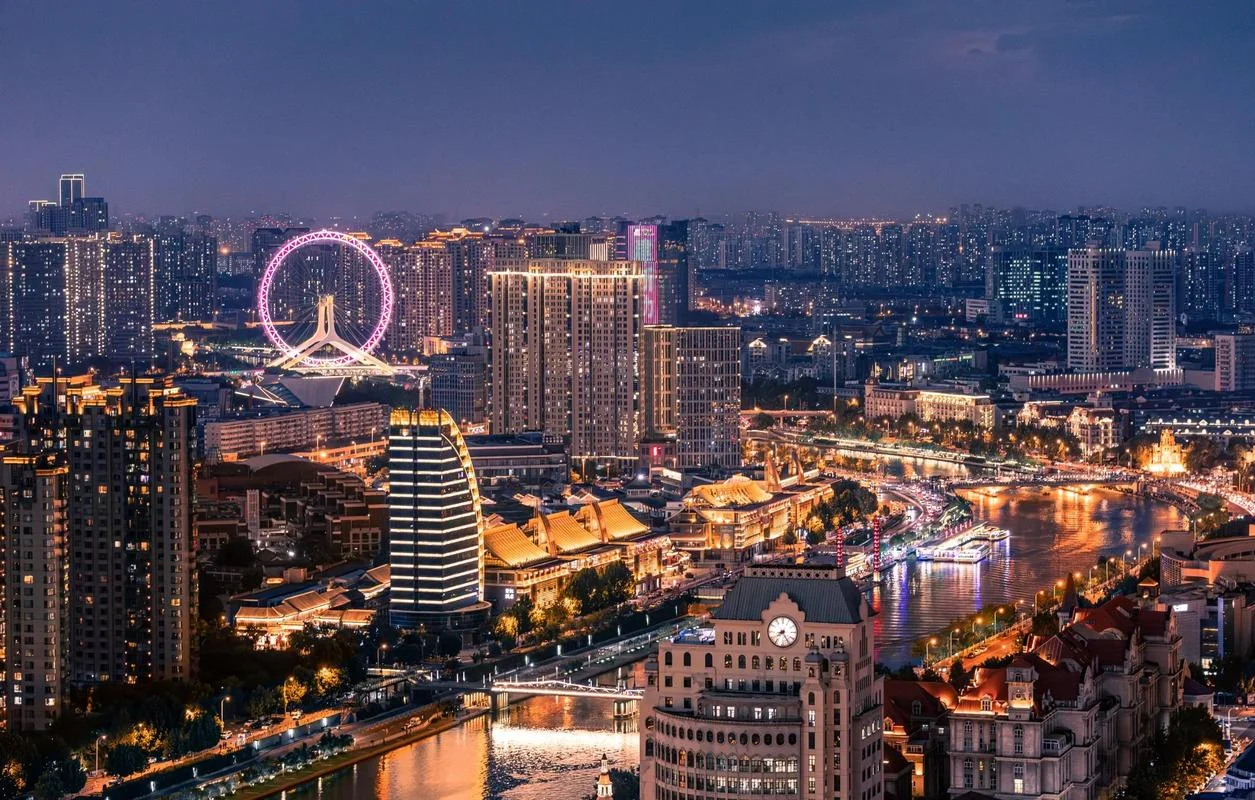
China's ancient capital and modern metropolis, Beijing blends imperial grandeur with contemporary dynamism, home to the Forbidden City, Great Wall, and seven UNESCO World Heritage Sites.
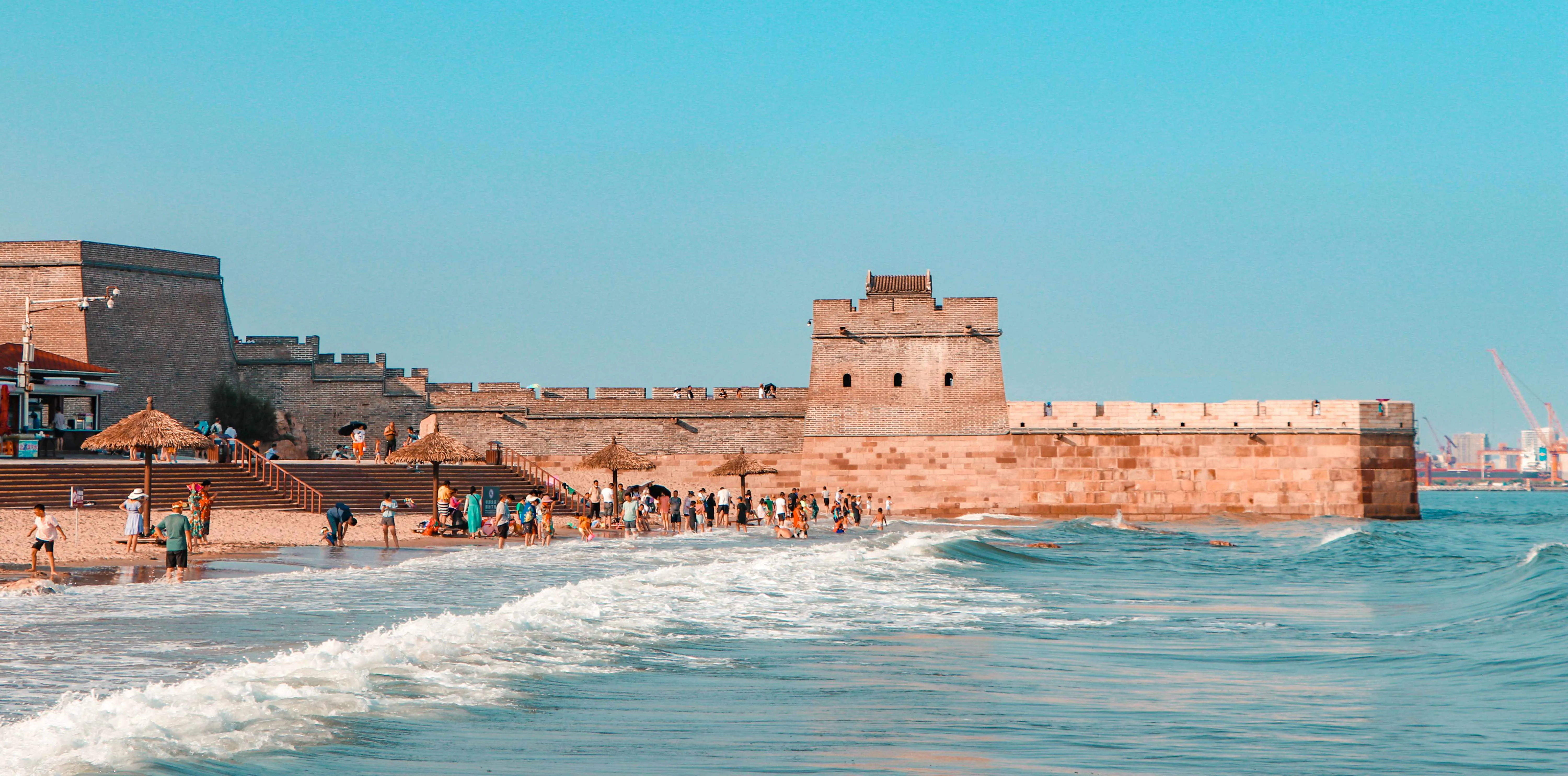
Beijing is not just China's capital; it is the city where the country's imperial memory, national institutions, universities, technology districts, and everyday neighborhood life meet in one place. Covering 16,410.54 square kilometres, the municipality stretches from the flat North China Plain into mountains in the west and north, which is why the Great Wall, royal gardens, old hutongs, and new business districts can all fit within the same travel itinerary.
By the end of 2025, Beijing had 21.80 million permanent residents, with 88.3 percent living in urban areas. For visitors, that scale means the city feels layered rather than uniform: a morning can begin in the Forbidden City, continue through a courtyard lane near Shichahai, and end in a contemporary gallery or technology district. Beijing rewards slow exploration because its landmarks are not isolated attractions; they are connected to centuries of statecraft, ritual, food culture, and modern urban transformation.
Beijing's importance began with geography. During the Western Zhou period, around the 11th century BC to 771 BC, the area became the capital of the State of Yan, giving the city one of its earliest political identities. In 938, the Liao dynasty made it a secondary capital known as Nanjing, and in 1153 the Jin dynasty moved its central capital here under the name Zhongdu, confirming the city's strategic value on the northern edge of the North China Plain.
In 1271, Kublai Khan founded the Yuan dynasty, and by 1272 the city was rebuilt as Dadu, a grand imperial capital planned on a scale that influenced later Beijing. The Ming dynasty took the city in 1368, and from 1406 to 1420 the Yongle Emperor ordered the construction of the Forbidden City; in 1421, the Ming court formally moved the capital from Nanjing to Beijing. The Qing dynasty kept Beijing as its capital from 1644 to 1912, expanding imperial gardens and ritual spaces that still define the city today.
After 1949, Beijing became the capital of the People's Republic of China and the administrative center of modern China. The 2008 Olympic Games accelerated infrastructure upgrades, including subway expansion, new airport connections, and landmark architecture such as the Bird's Nest and Water Cube. In 2022, Beijing became the first city to host both the Summer and Winter Olympic Games, reinforcing its role as both a historical capital and a global event city.
Beijing's economy is shaped less by traditional manufacturing and more by services, knowledge industries, finance, research, and national-level decision making. In 2025, the city's GDP reached 5.20734 trillion yuan (about 3.3 trillion USD), up 5.4 percent year on year at constant prices. Per capita GDP reached 239,000 yuan (about 33,000 USD). The tertiary sector contributed 4.47769 trillion yuan, accounting for 86.0 percent of total GDP, showing how strongly the capital depends on advanced services.
Information transmission, software, and information technology services are among Beijing's strongest engines: in 2025, this sector recorded 1.21924 trillion yuan in added value, up 11 percent year on year. The digital economy reached 2.41663 trillion yuan, accounting for 46.4 percent of GDP. Zhongguancun remains the symbolic center of the city's innovation economy, supported by universities, research institutes, venture capital, and major technology firms. Finance is another pillar: the financial industry added 866.82 billion yuan in 2025, supported by banks, regulators, headquarters, and professional services concentrated around the capital.
Education and culture also have direct economic weight. Beijing is home to Peking University, Tsinghua University, the Chinese Academy of Sciences, national museums, publishing institutions, theatres, and media organizations. Tourism connects these strengths to the public: imperial sites, the Great Wall, hutongs, museums, performing arts, food, and major events turn Beijing's history into a year-round visitor economy.
Discover the culinary treasures of Beijing, from traditional street food to imperial cuisine.
Beijing Capital International Airport (PEK), Daxing International Airport (PKX)
Connected to all major cities
Extensive network with 27 lines
Extensive network covering all districts
Available throughout the city
April - May
Pleasant temperatures, blooming flowers, and clear skies make spring ideal for sightseeing.
June - August
Hot and humid with occasional thunderstorms. Peak tourist season with many festivals.
September - October
Crisp air, golden ginkgo leaves, and the most comfortable weather of the year.
November - March
Cold and dry, but fewer tourists and beautiful snow scenes. Indoor attractions comfortable.
The most important Chinese holiday. Experience traditional temple fairs at Ditan Park and Longtan Park, spectacular lantern displays, dragon and lion dances, and fireworks. Visit temple fairs for local snacks, folk crafts, and cultural performances. The city comes alive with red decorations and festive atmosphere for 15 days.
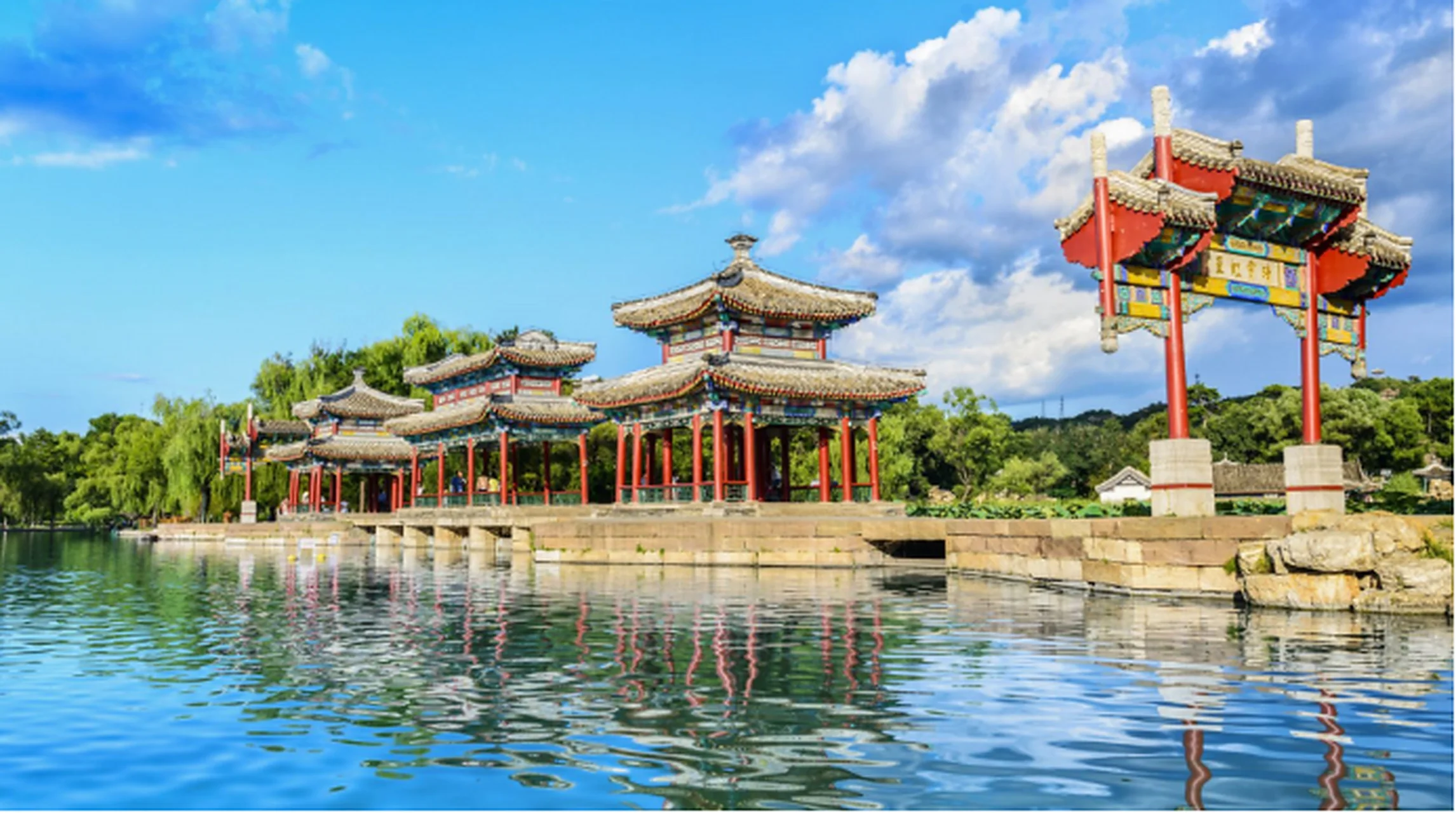
Celebrate under the full moon at historic venues like the Summer Palace and Beihai Park. Traditional activities include moon viewing, lantern displays, and tasting various mooncake flavors. Many restaurants offer special moon-viewing dinners. The festival symbolizes family reunion and is one of the most poetic Chinese traditions.
One of Asia's premier film festivals featuring hundreds of international and Chinese films. Screenings take place at major cinemas across Beijing, including premiere venues and art house theaters. Red carpet events, film forums, and industry exhibitions attract filmmakers worldwide. Book tickets early for popular screenings.
Spring and autumn offer the best weather for outdoor activities. Summers can be hot and humid with temperatures reaching 35°C (95°F), while winters are cold with temperatures often below freezing. The air quality has improved significantly in recent years.
Discover more cities, food guides, and travel inspiration.